Skautiškųjų Vienetų Vadovai ir Vadovės
Historical and community context
Where this record belongs
Diaspora freedom
Introduction
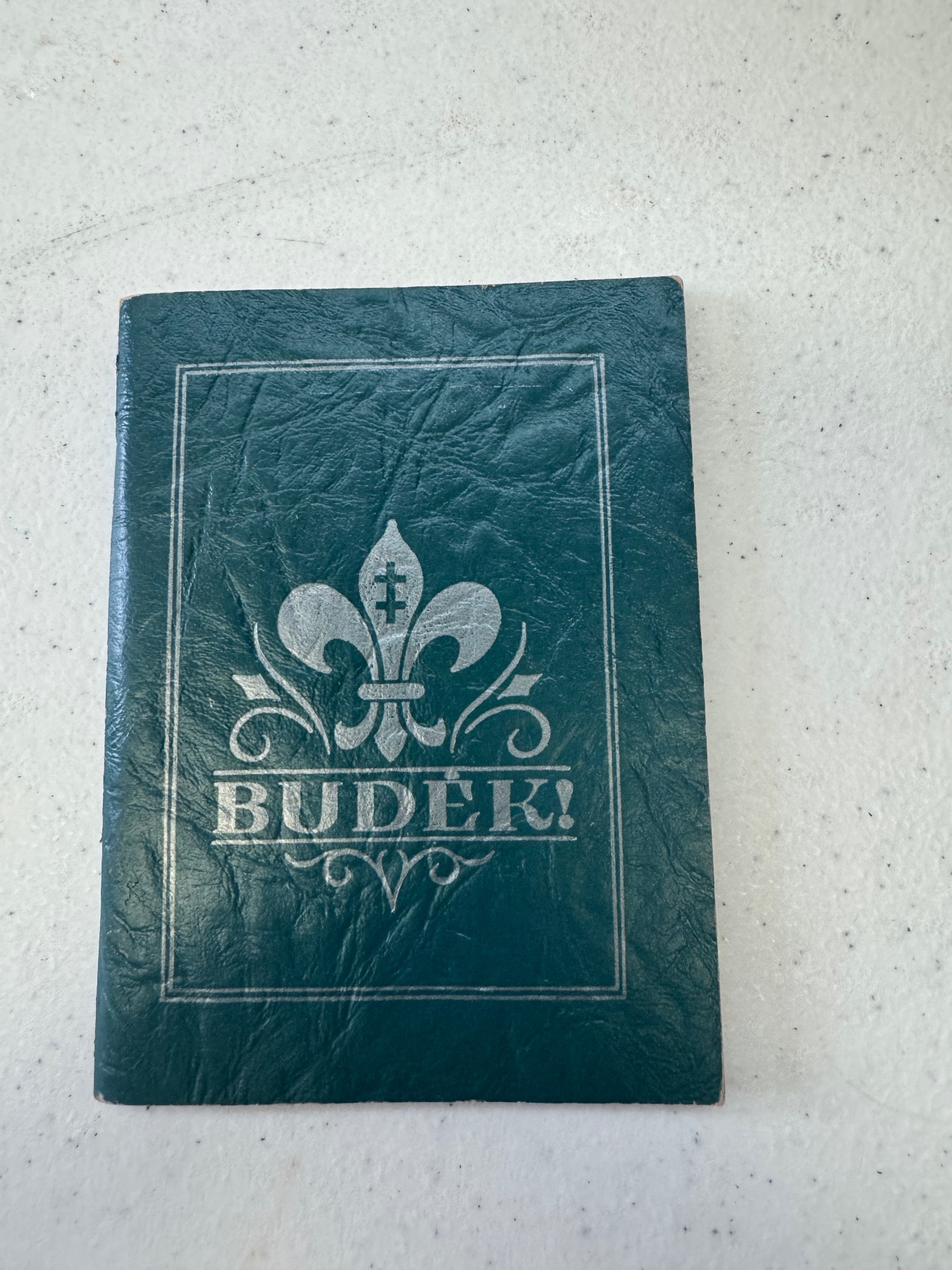
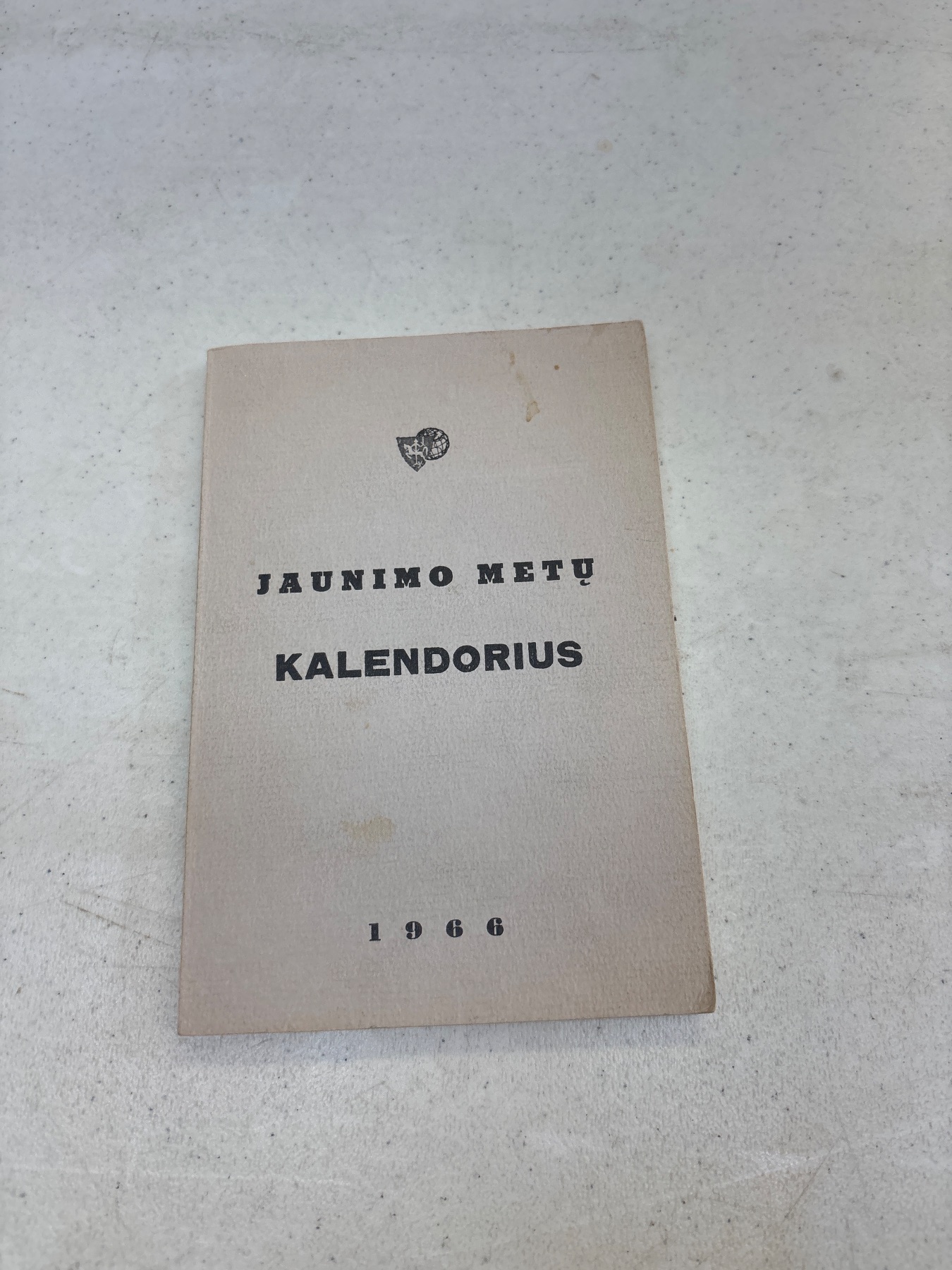
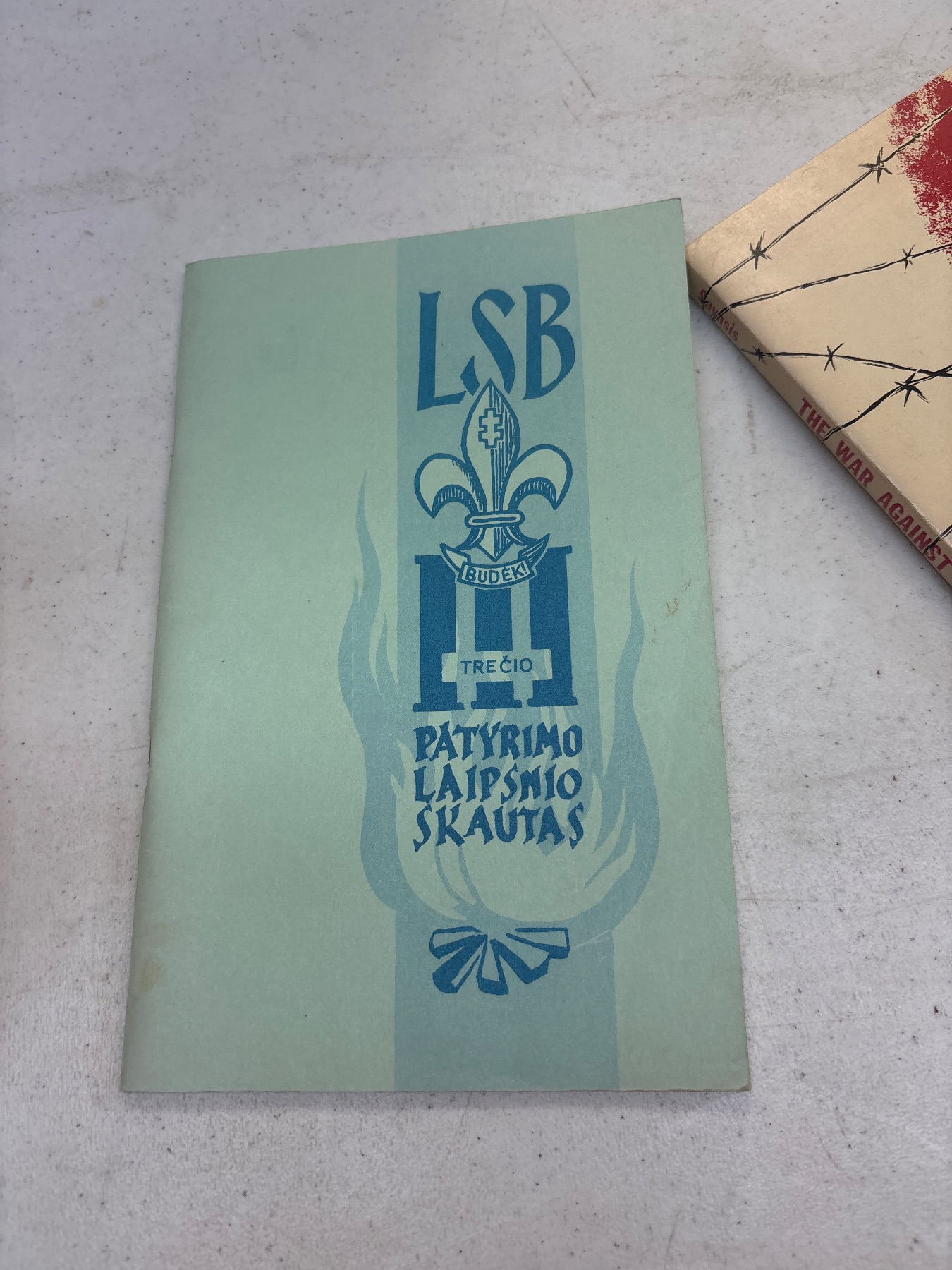
This is the second edition (1992) of a comprehensive Lithuanian-language scouting leadership manual produced by the Lithuanian Scout Brotherhood and Sisterhood in the diaspora, originally compiled by Jesuit priest and master scout-trainer v.s. Antanas Saulaitis, S.J. It represents one of the most systematic institutional knowledge artifacts of the Lithuanian diaspora scout movement — a movement that served as a primary vehicle for Lithuanian identity, language preservation, and youth formation across North and South America, Australia, and Europe for decades. Published just as Lithuania regained independence, this volume captures diaspora Lithuanian scout methodology at its apex and serves as a direct bridge between exile-era formation and post-Soviet Lithuanian civil society reconstruction.
Context and significance
Significance
This handbook represents one of the most ambitious institutional knowledge-preservation projects of the Lithuanian diaspora — a full-scale codification of scout leadership methodology developed and refined over decades of exile. The Lithuanian scout movement was not merely a youth activity organization; it functioned as a parallel educational and civic system that trained diaspora youth in Lithuanian language, history, folklore, and values when no Lithuanian state existed to perform that function. The existence of this second edition in 1992 — published the very year after Lithuanian independence was internationally recognized — signals the diaspora's awareness that their accumulated institutional knowledge needed to be transmitted both to the newly-free homeland and to succeeding diaspora generations.
The transnational contributor network documented in the prefatory material (spanning USA, Brazil, Australia, England, Canada) reveals the extraordinary geographic reach of a community that maintained organizational coherence across five continents for nearly fifty years. The Lithuanian scout movement operated regular congresses, maintained its own publications infrastructure (including the referenced 'Skautų Aidas,' 'Mūsų Vytis,' 'Skautų Užsiemimai,' 'Bendruomenėje ir Stovykloje'), trained leaders in standardized methodology, and sustained youth camps — all in Lithuanian, all without state support. This handbook is the documentary crystallization of that achievement.
How this record carried memory
Identity preservation, Pedagogical framing, Continuity statement explicit
Record connections
People, places, and institutions linked in the catalog