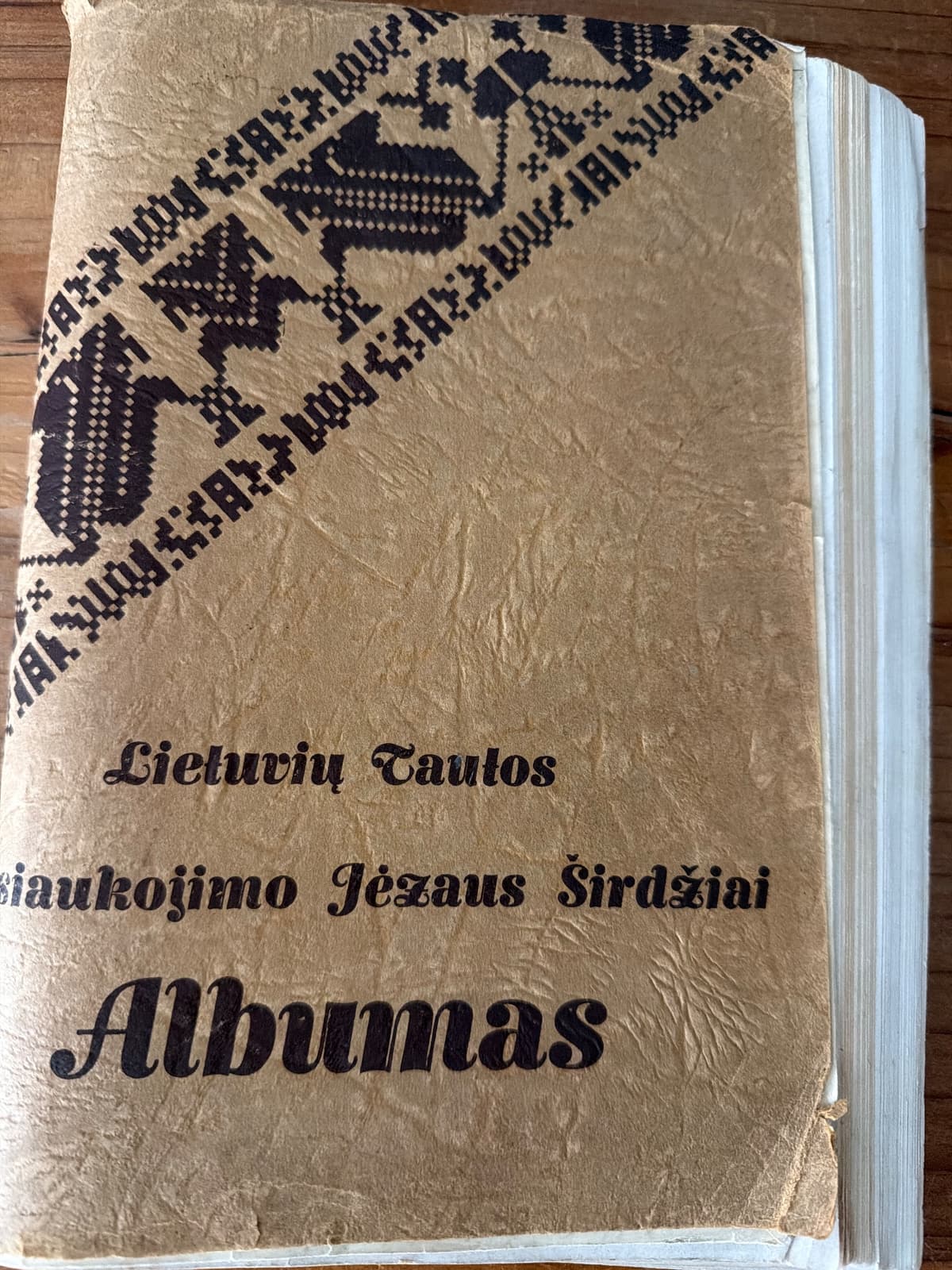
Lietuvių Tautos Siaukojimo Jėzaus Širdžiai Albumas
Dail. Ed. Krasauskas (editor/artist); J. Jursaitis (publisher)
1938 · Kaunas

ŽIBURIO ARCHIVE · LITHUANIAN DIASPORA MATERIALS
Books carried across borders. Culture carried through time.
The Žiburio Archive brings Lithuanian diaspora books, periodicals, and community records into a public catalog, one item at a time.
The collection grew from Žiburio Lithuanian School in Detroit. Through the Archive’s continuing partnership with the school, students photograph and document the items; Archive reviewers compare catalog proposals with source images, preserve provenance, and state uncertainty honestly.
Browse the books, then follow the people, places, publishers, and institutions that recur across the collection.
326
Records
1816 – 2016
Year Span
119
Locations
779
Institutions
From the records
Connected sources
Memory Structures
See how cataloged sources can be connected across people, places, institutions, events, publications, and time without losing the path back to the record.
Explore memory structures →History
The Collection in History
Follow publication dates, places, publishers, and institutions across the collection while keeping overlapping historical and migration contexts visible.
Explore the historical record →Connections
Follow the Connections
See where people, places, publishers, institutions, and events recur across the books.
Open the knowledge map →Dail. Ed. Krasauskas (editor/artist); J. Jursaitis (publisher)
1938 · Kaunas
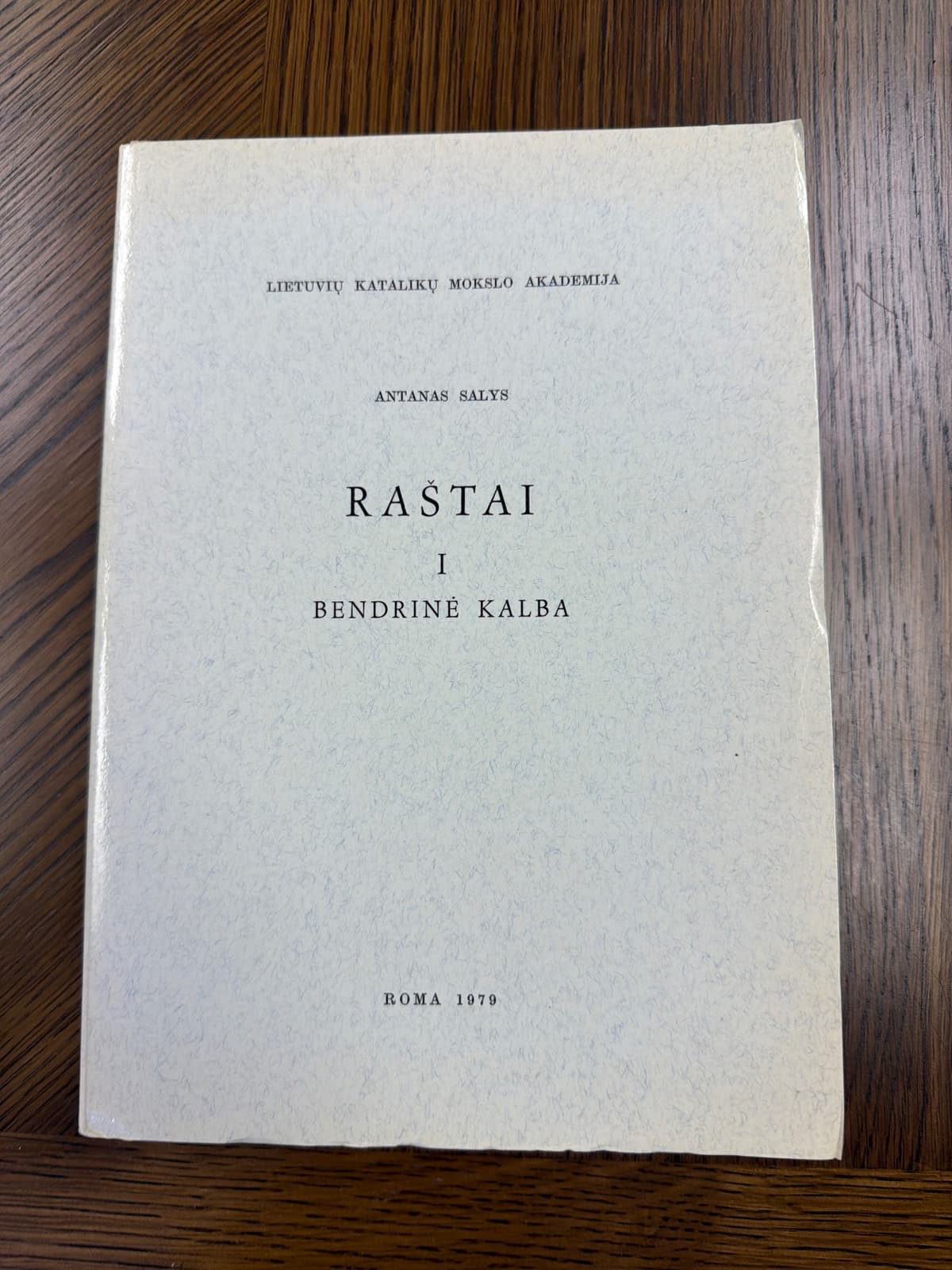
Antanas Salys (author); Petras Jonikas (editor)
1979 · Roma (Rome), Italy
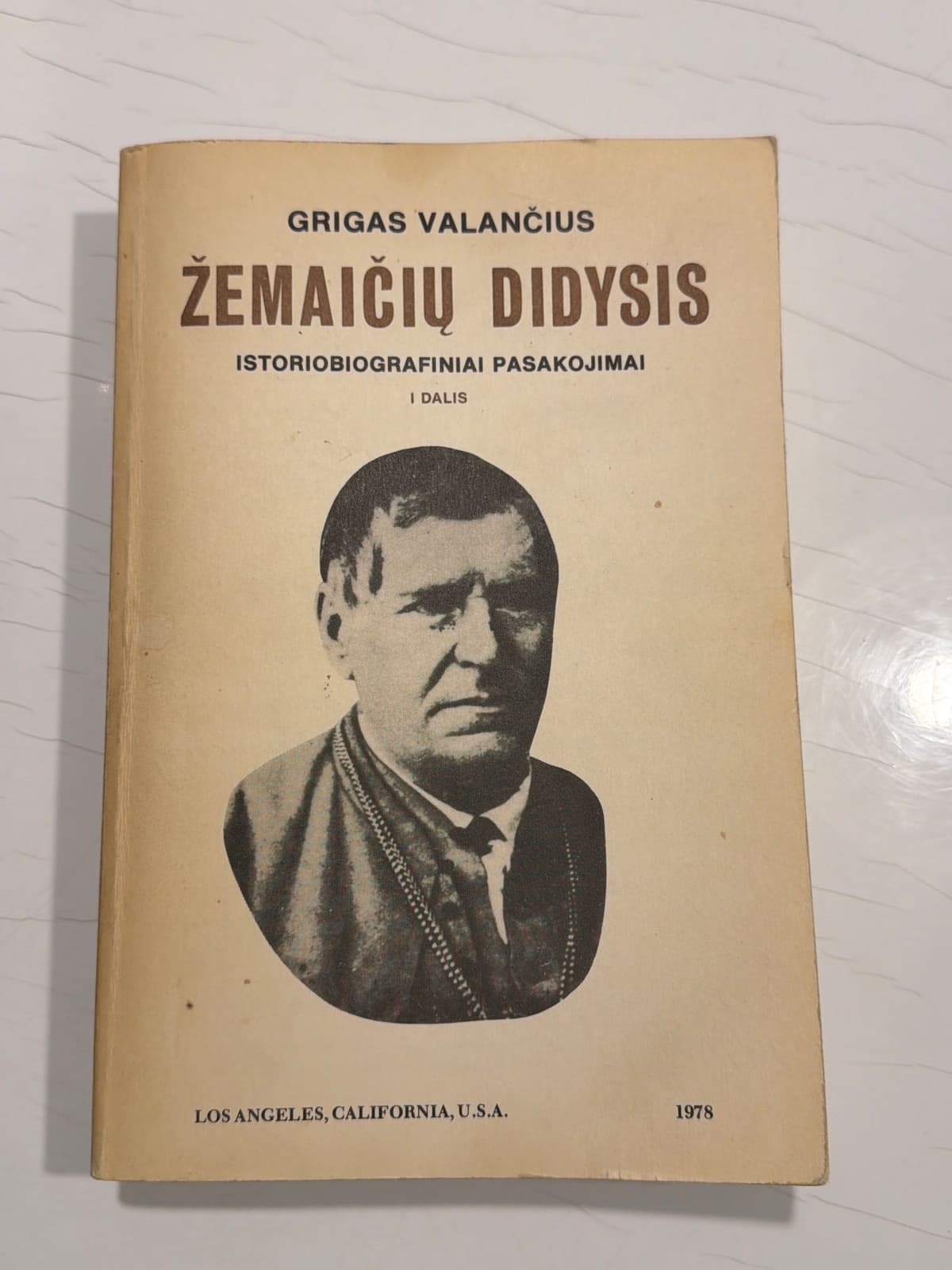
Grigas Valančius
1978 · Los Angeles, California, U.S.A.

1920 (printed); Jan. 16, 1921 – June 10, 1943 (used) · Sancti Ludovici (St. Louis), Missouri
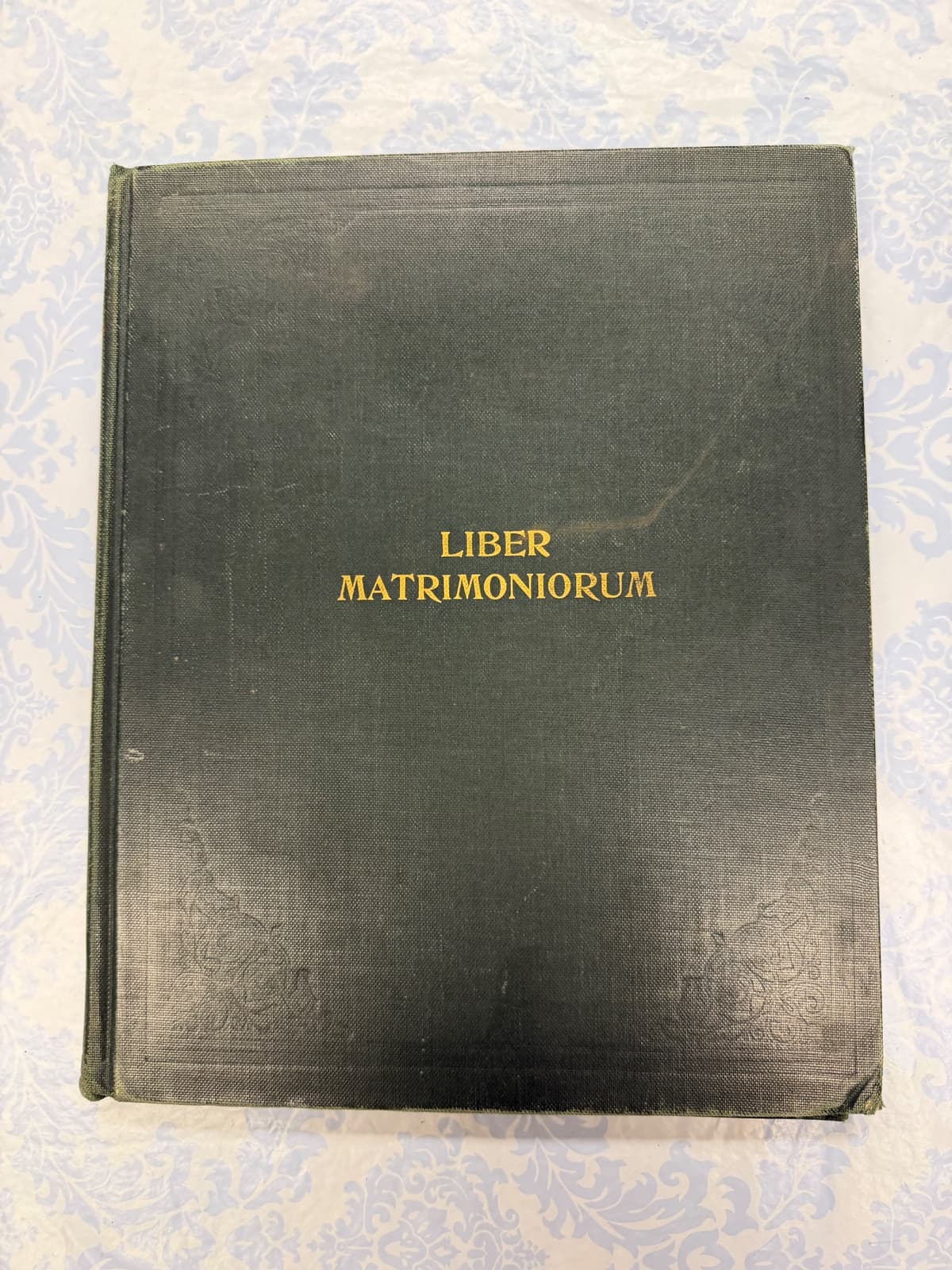
1940 · St. Louis, Missouri
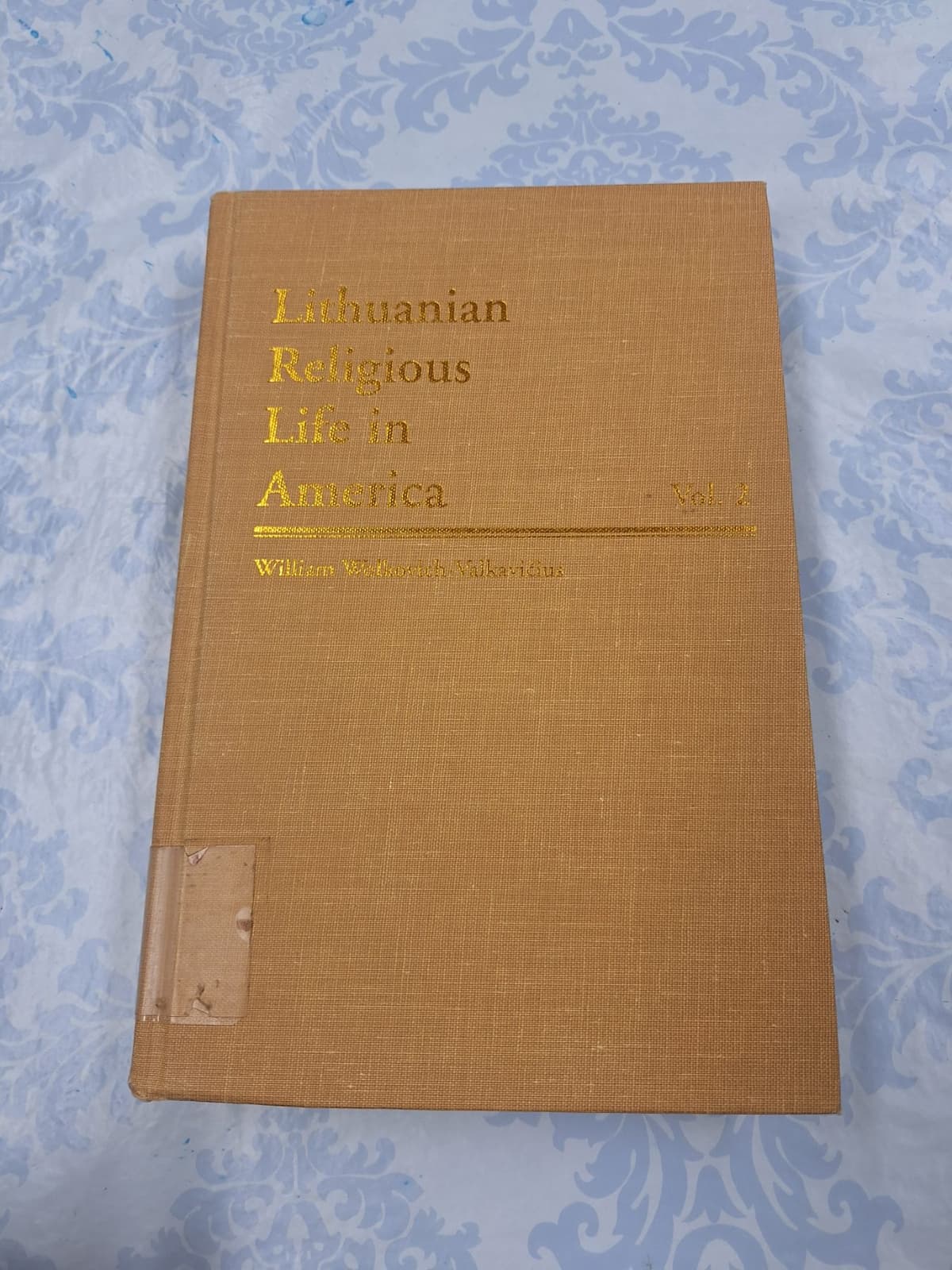
William Wolkovich-Valkavičius
1996 · Norwood, MA
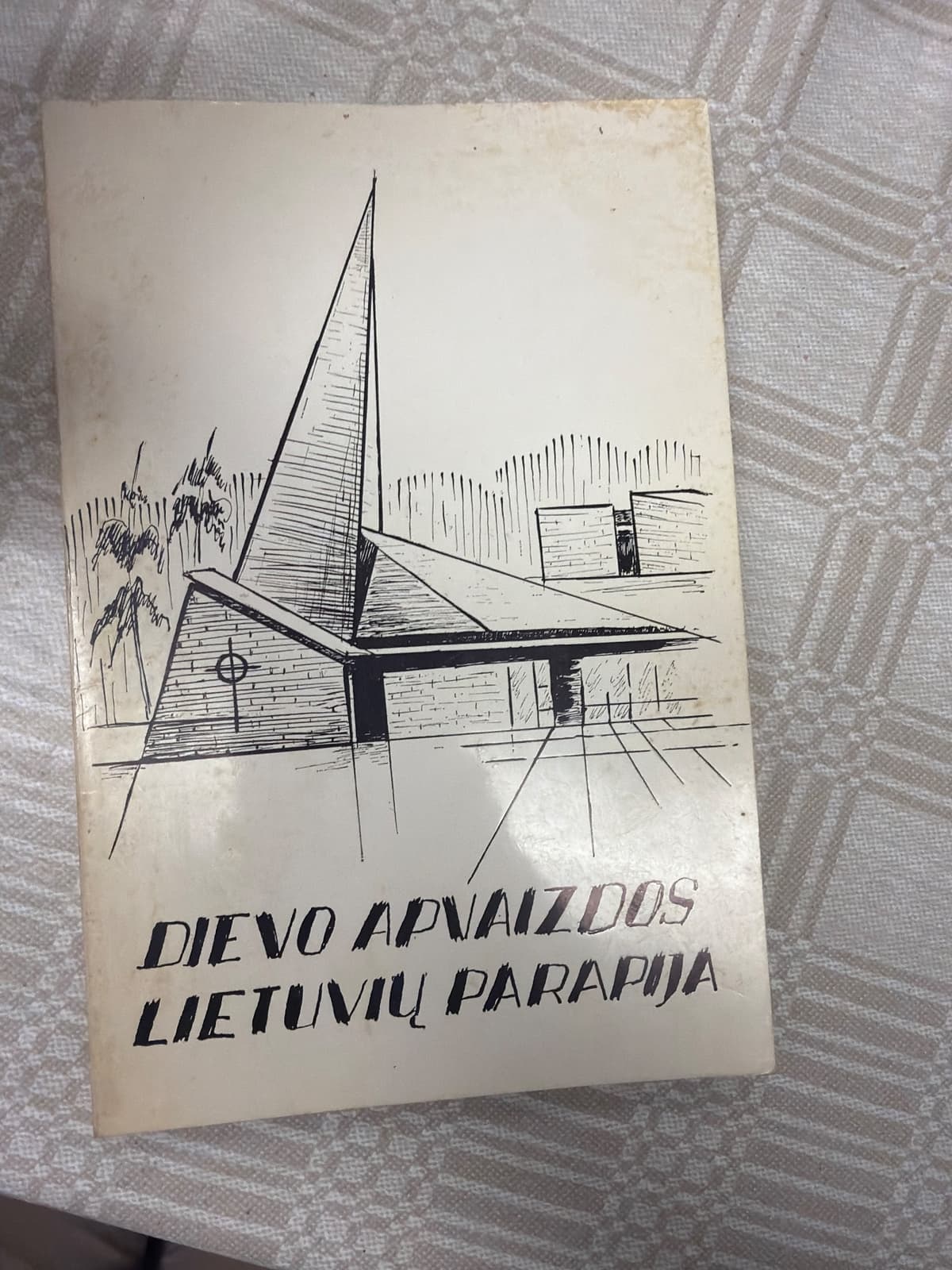
Jonas Urbonas (editor/redaktorius)
1973 · Southfield, Michigan
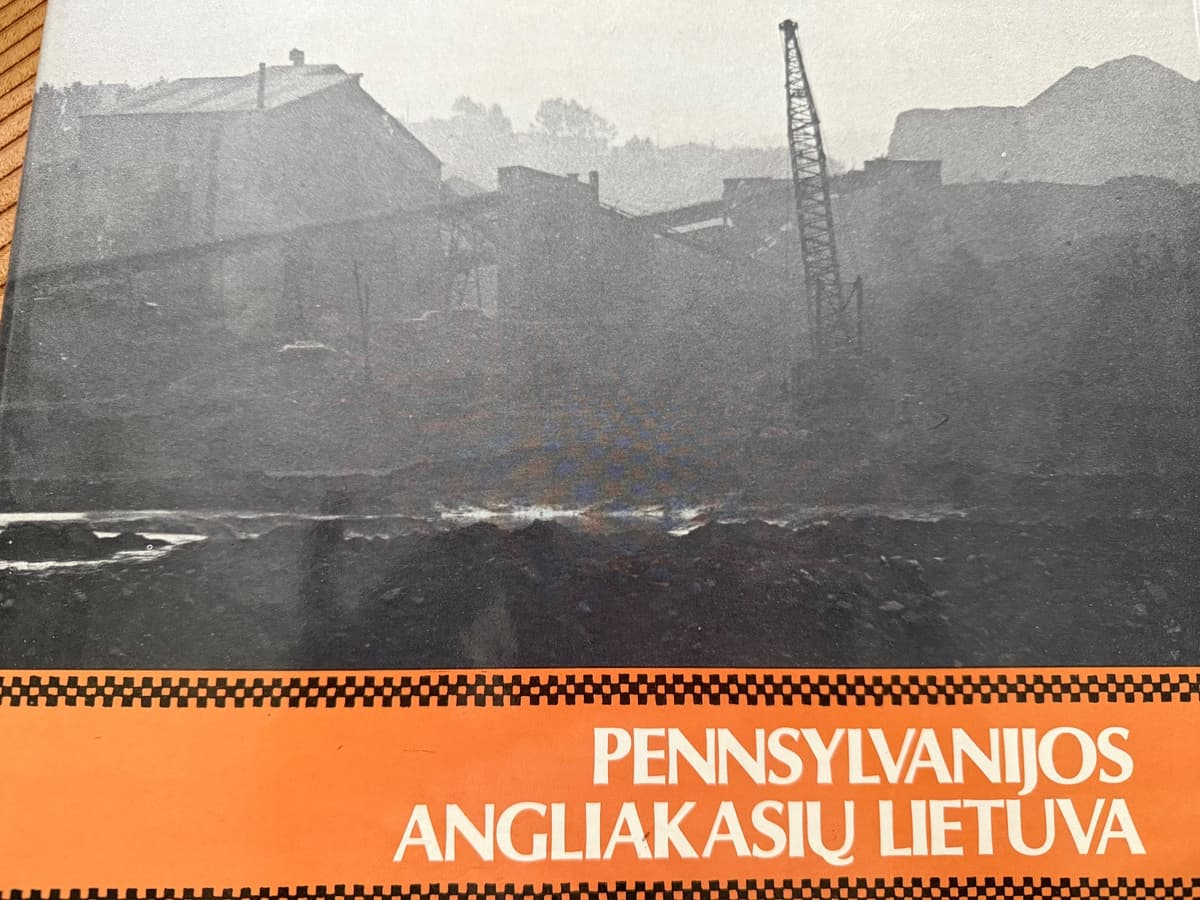
Vladas Būtėnas (tekstas); Algimantas Kezys, S.J. (nuotraukos); Portfolio: Elena Bradūnaitė, Jurgis Bradūnas
1977 · Chicago, IL
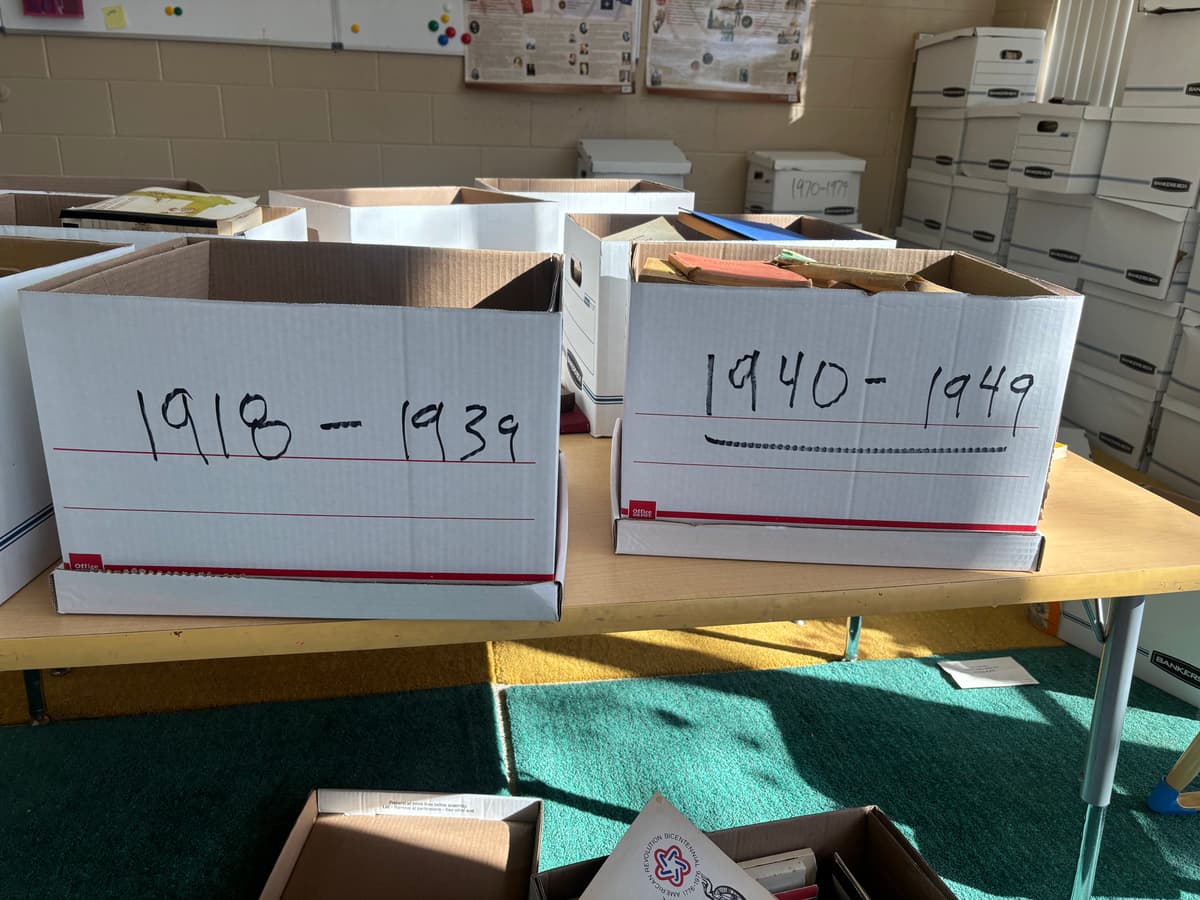
Student archivists
Žiburio students handle, photograph, and document the collection. Students and contributors are credited on published contributions; corrections and privacy requests are handled by the Archive.
Internship →A memory architecture
A catalog record is a beginning. When reviewed sources are connected across people, places, institutions, events, publications, and time, they can support a larger public record. Save Our Lithuanian Parishes is a memory architecture of Lithuanian parishes built from that work, bringing Žiburio materials together with newspapers, maps, directories, official records, and other archives while keeping the path back to each source visible.
Supported by