
EXAMPLE
The Same Question, Two Systems
What happens when you ask a general-purpose AI and the Žiburio Archive the same question about Lithuanian displaced persons camp poetry? One produces language about the books. The other surfaces the books themselves — with provenance, structure, and cross-item connections that only exist because the materials were cataloged.
The same question, two systems
"Tell me about Lithuanian poetry published in displaced persons camps, 1945–1950"
The DP camp era (1945–1950) is often described as a "miracle in the ruins." Roughly 60,000 Lithuanians lived in Allied-occupied Germany, transforming temporary barracks into a literary output fueled by scarcity.
The "Barrack Press"
Writers used manual rotary presses and leftover military stationery to produce over 400 different periodicals. Tübingen became the unofficial capital of Lithuanian exile culture.
The Stylistic Schism
The Old Guard (Brazdžionis — national martyrdom, religious hope) vs. the "Žemė" Generation (Nyka-Niliūnas, Bradūnas — Western modernism, Rilke, Eliot). And the sidelined rebels: Birutė Pūkelevičiūtė broke ground with femininity; Liūnė Sutema described the homeland as a "non-existent land."
Brilliant — correct names, real movements, literary analysis most academics would envy. All of it built from language about these things. There is only language underneath.
The books themselves
Gemini knows about the "barrack press." The Archive holds what it produced. Each carries dateline stamps from refugee camps, handwritten dedications, and the material evidence of a publishing infrastructure under displacement.
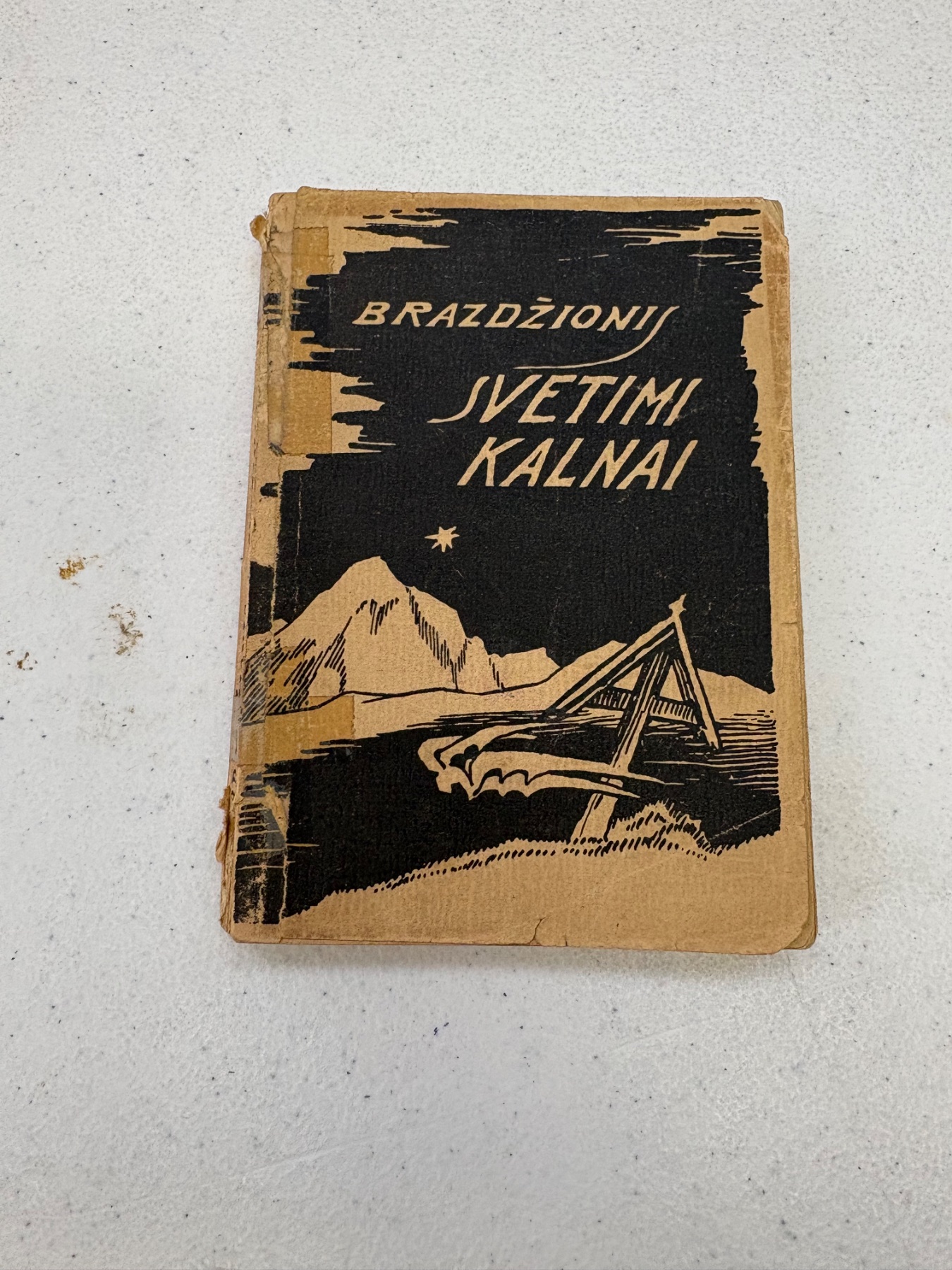
Svetimi Kalnai
BRAZDŽIONIS · 1945 · GRAZ → M. PONGAU → GATSCHACH
Poems dateline-stamped from three refugee camps.
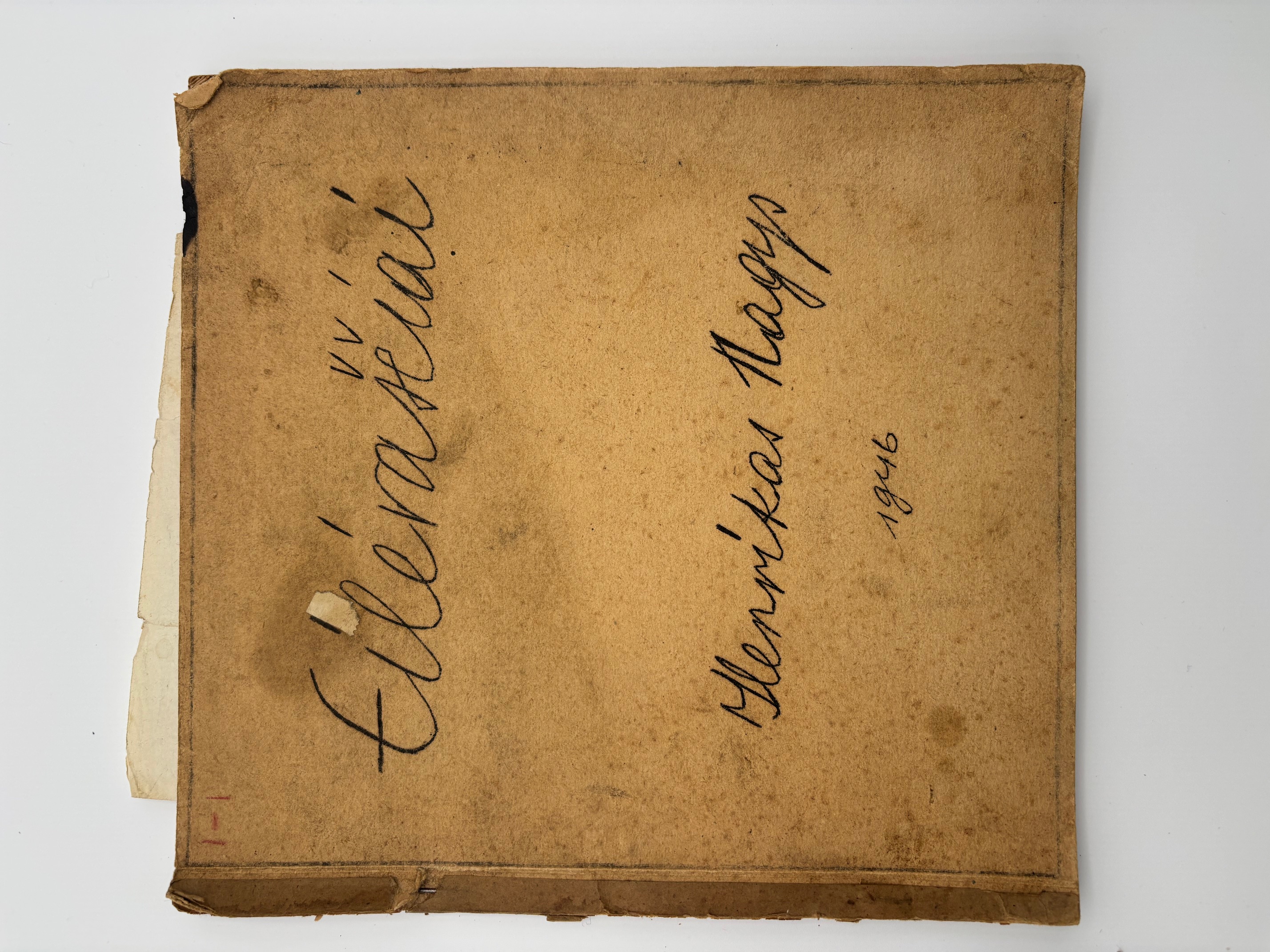
Eilėraščiai
HENRIKAS NAGYS · 1946 · INNSBRUCK · TYPED MANUSCRIPT
Handwritten dedication: "Milam Medardui — Klenikui."
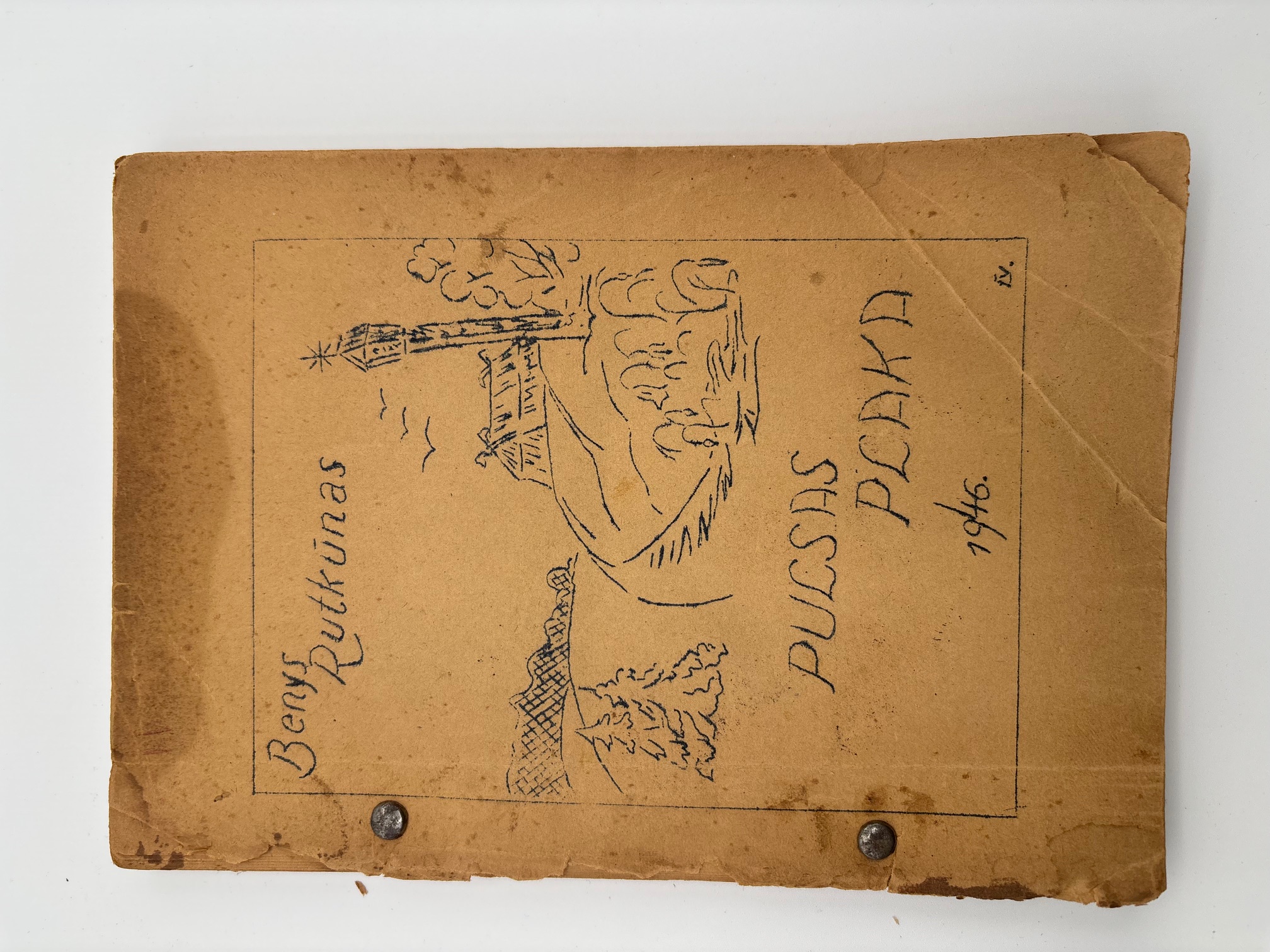
Pulsas Plaka
BENYS RUTKŪNAS · 1946 · INNSBRUCK · HAND-ASSEMBLED
Dedicated "mano užtremtiesiems — mylimajai žmonai."
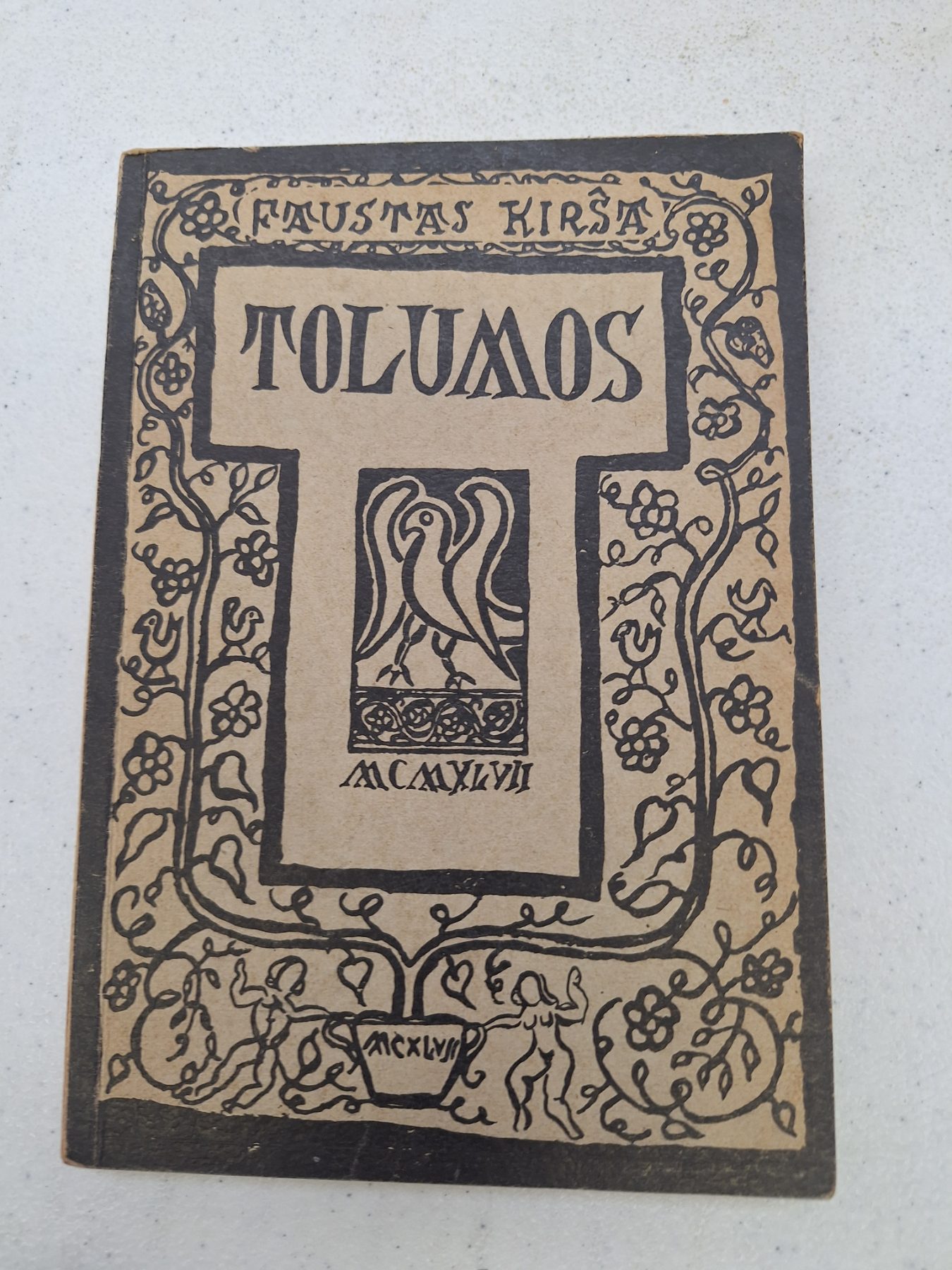
Tolumos
FAUSTAS KIRŠA · 1947 · DILLINGEN/DONAU
Published under EUCOM Allied authorization. Print run: 3,000.
The structure underneath
The language is also there. But underneath the language, there is structure. And underneath the structure, there are the books.