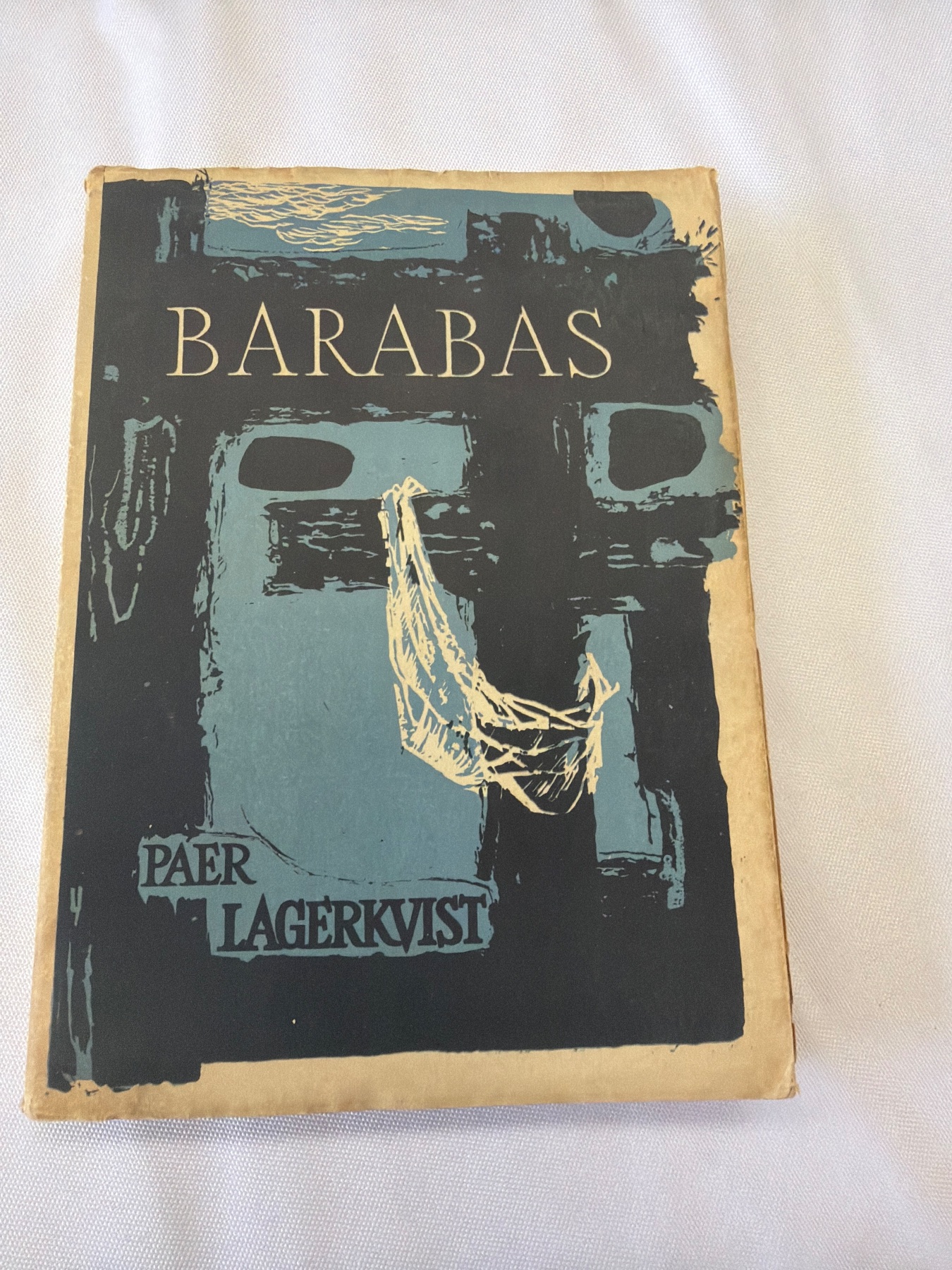
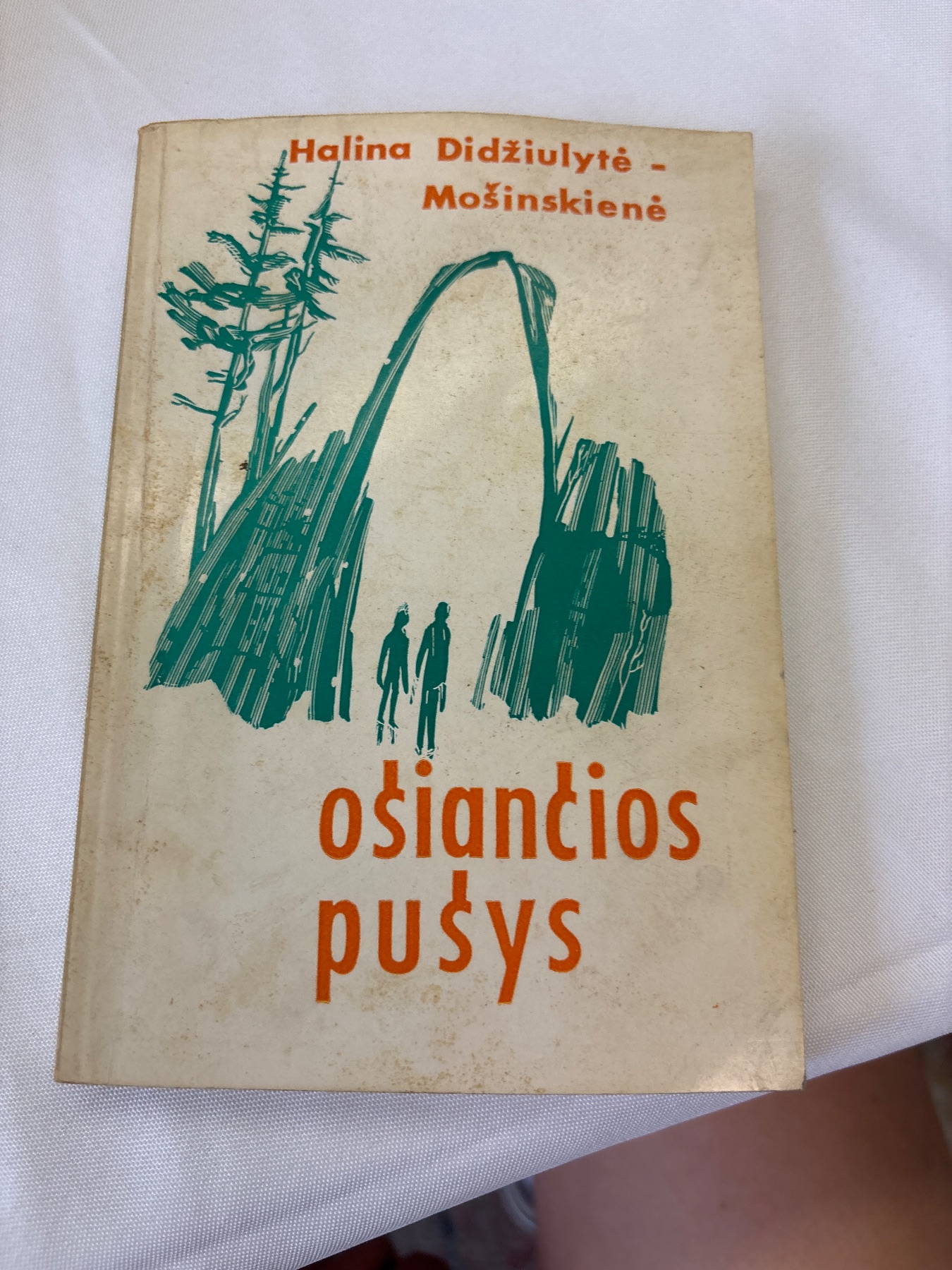
Žvaigždės ir vėjai
1951
Historical and community context
Where this record belongs
Diaspora freedom
Introduction
Žvaigždės ir vėjai is a 1951 short story collection by Aloyzas Baronas, one of the most significant prose writers of the Lithuanian diaspora, published in postwar Germany by the diaspora press Venta. The novelės (novellas/short stories) draw on the lived trauma of displacement, wartime experience, and exile, representing some of the earliest and most artistically mature Lithuanian DP-era literary production. As a first edition of a canonical diaspora author printed in a run of only 2,000 copies, this volume constitutes an irreplaceable primary source for Lithuanian literary history and diaspora cultural memory.
Context and significance
Significance
This volume reveals the extraordinary institutional capacity of the Lithuanian DP diaspora to sustain high-quality literary publishing within just a few years of forced displacement. The existence of Venta as a functioning press producing professionally designed, commercially printed literary books in 1951 Germany — complete with a named cover artist and a print run of 2,000 — demonstrates that the diaspora had reconstituted not merely survival infrastructure but a full literary-cultural ecosystem: authors, publishers, printers, designers, and a reading public. Baronas's work emerging in this context signals that the diaspora understood cultural production as essential, not supplementary, to community survival.
The content of the stories themselves — centering on wartime experience, moral courage and cowardice, displacement, longing for home, and the search for meaning amid loss — performs exactly the psychological work the community most needed. These are not escapist texts but confrontational ones, insisting on processing collective trauma through art. The Lithuanian language in which this processing occurs is itself the medium of resistance: to write in Lithuanian in Germany in 1951, for a Lithuanian audience scattered across the globe, was to assert that the nation endured even when its territory was occupied. Every reader who purchased this book was participating in an act of cultural affirmation.
How this record carried memory
Identity preservation; Continuity statement explicit — the literary treatment of wartime and displacement experiences functions as an act of cultural witness and identity consolidation for the diaspora community; literature as the primary vehicle for preserving Lithuanian emotional and psychological interiority in exile; the artistic quality signals cultural vitality and refusal of assimilation
Record connections
People, places, and institutions linked in the catalog