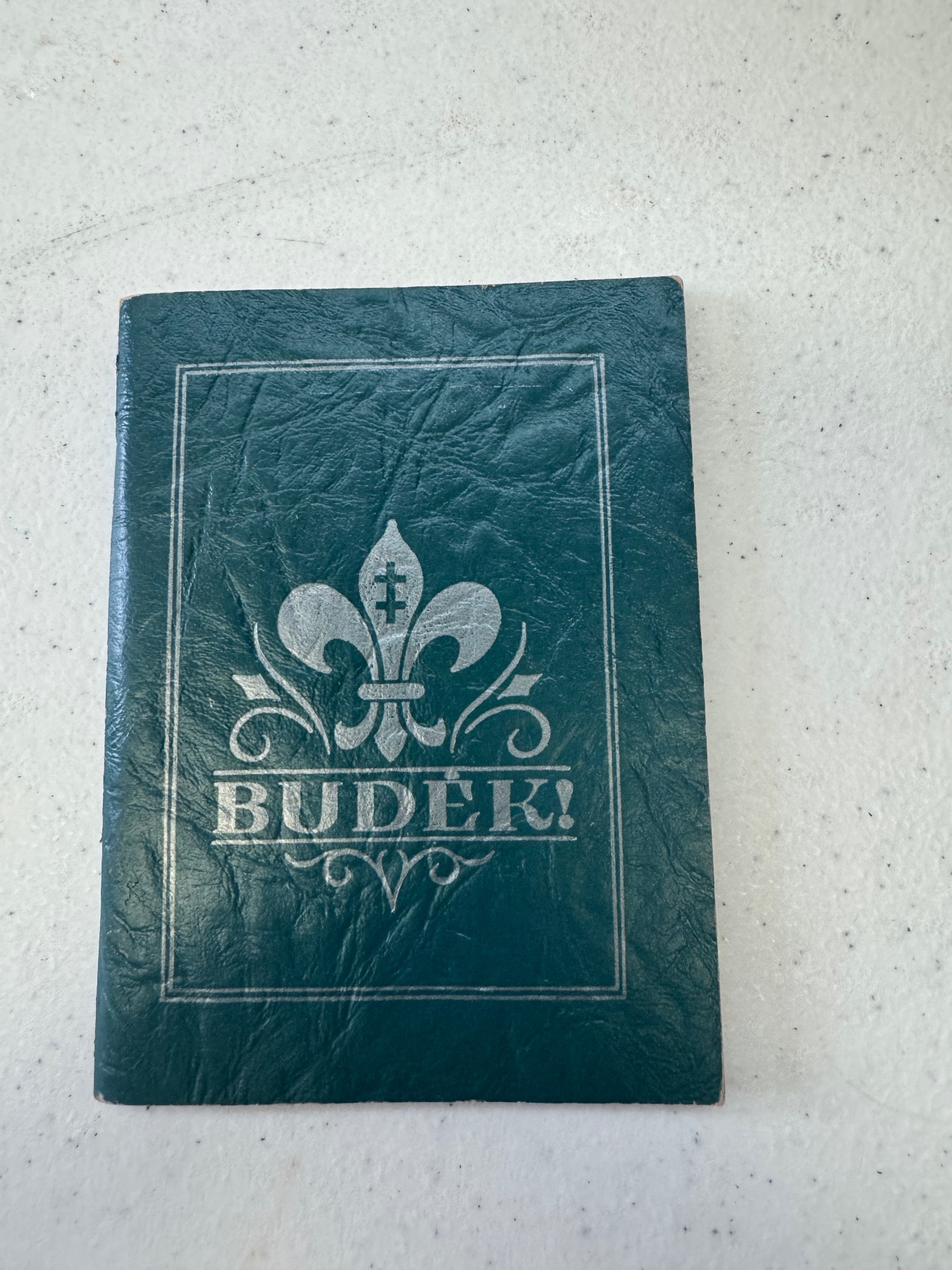
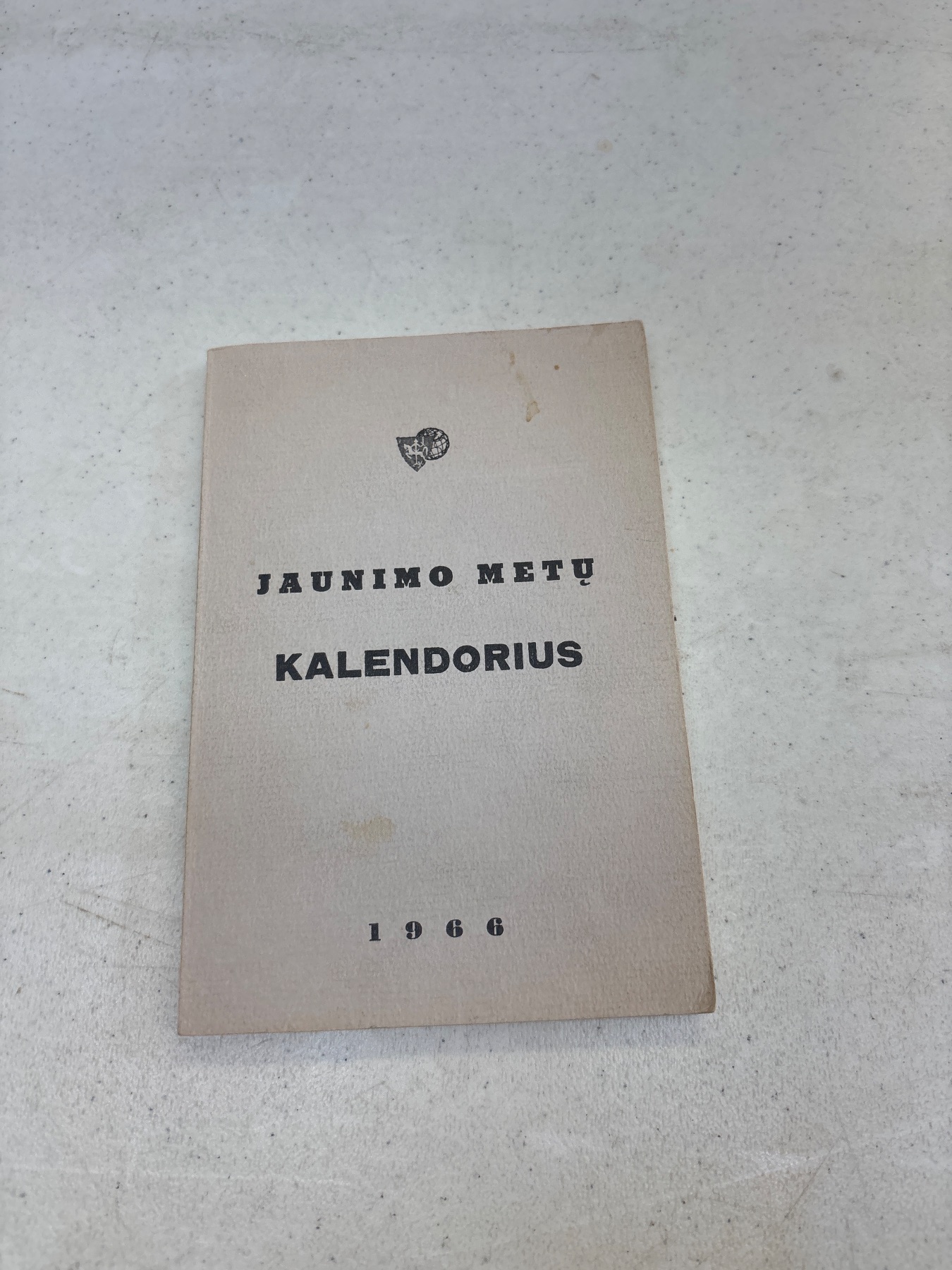
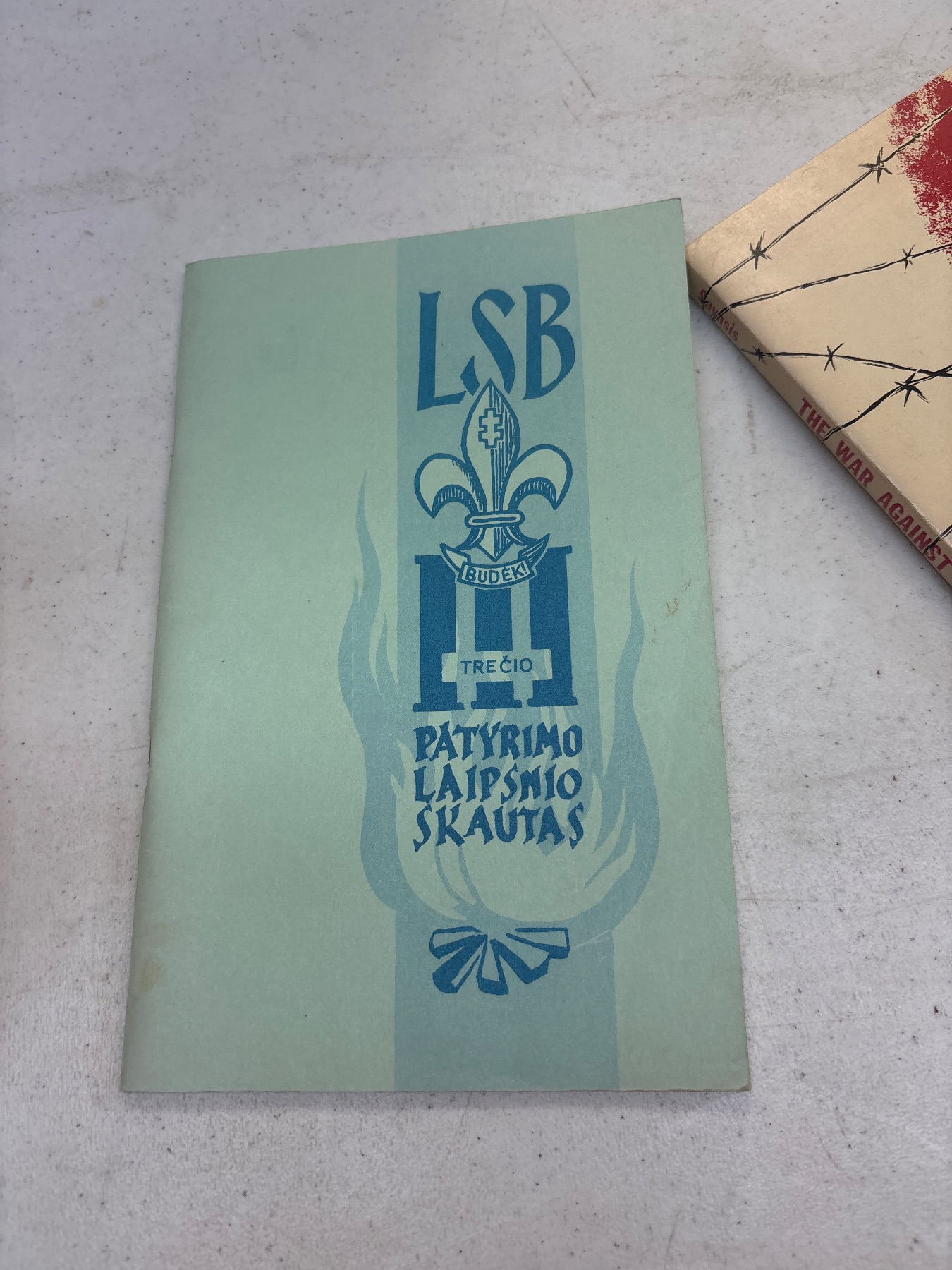
Skautų Specialybės
1967
Historical and community context
Where this record belongs
Diaspora freedom
Introduction
This 1967 merit badge specialties handbook produced by the Lithuanian Scouts Brotherhood (Lietuvių Skautų Brolija) represents a remarkable artifact of diaspora cultural infrastructure — a fully Lithuanian-language scouting program manual designed to transmit both practical skills and Lithuanian identity to youth living outside occupied Lithuania. It is one of the few surviving operational documents of the LSB that encodes the organization's dual mission: developing competent young people while ensuring Lithuanian language, history, and cultural knowledge remained alive in the diaspora. The pamphlet's explicit linkage of merit badge achievement to Lithuanian lituanistinė mokykla attendance makes it a unique document at the intersection of scouting pedagogy, diaspora education, and identity preservation.
Context and significance
Significance
The range of specialties documented in this handbook — from Bibliotekininkas (Librarian) to Gamtininkas (Naturalist) to Visdarbis (Handyman) — reveals the LSB's ambition to develop fully capable Lithuanian citizens-in-waiting, competent in both American practical life and Lithuanian cultural knowledge. The Filatelistas (Philatelist) specialty's requirement that scouts know Lithuanian postage stamp history and identify three Lithuanian stamp series is particularly striking as a mechanism of cultural memory — Lithuanian stamps, issued during the brief 1918-1940 independence period and by exile governments thereafter, functioned as portable national monuments. The Instrumentalistas Muzikantas requirement to know 15 Lithuanian folk melodies and 5 national dances similarly encodes ethnographic preservation within a merit framework.
From an institutional standpoint, this publication demonstrates that by 1967 the LSB had achieved sufficient organizational stability and resources to produce standardized, professionally printed Lithuanian-language program materials — a remarkable feat for a stateless diaspora community. The handbook's existence implies supporting infrastructure: badge examiners (egzaminuotojai, whose signature lines appear on each specialty page), troop leaders capable of Lithuanian instruction, and community networks through which such materials circulated. Taken together, this document is evidence of a diaspora that had not merely survived displacement but had built durable institutions capable of reproducing Lithuanian cultural identity across generations.
How this record carried memory
Identity preservation, Pedagogical framing, Continuity statement explicit
Record connections
People, places, and institutions linked in the catalog