
Lietuvių Beletristikos Antologija, II Dalis
Bernardas Brazdžionis ir Benediktas Babrauskas
1965
Historical and community context
Where this record belongs
Diaspora freedom
Introduction
This is the second volume of a landmark Lithuanian fiction anthology compiled and edited by two of the most prominent figures in Lithuanian diaspora literary culture — poet Bernardas Brazdžionis and writer Benys Babrauskas — published in Chicago in 1965 by the Lietuviškos Knygos Klubas. Spanning hundreds of pages and featuring numerous authors from both the interwar independence period and the diaspora generation, it constitutes one of the most comprehensive efforts to preserve and transmit the Lithuanian literary tradition outside Soviet-occupied Lithuania. As a curated canon of Lithuanian prose fiction assembled under diaspora freedom, it is an irreplaceable cultural artifact and a richly layered linguistic corpus.
Context and significance
Significance
This anthology embodies the diaspora literary establishment's most ambitious infrastructure project: the creation of a canonical Lithuanian fiction corpus outside Soviet control. The Lietuviškos Knygos Klubas functioned as a subscription-based book distribution network that brought Lithuanian literature into homes across the United States and Canada, effectively serving as both a publishing house and a cultural continuity mechanism. By curating and printing hundreds of pages of Lithuanian prose fiction — with biographical sketches, author photographs, and critical editorial apparatus — the editors constructed a living archive of national literary identity that Soviet Lithuania could not access or suppress.
The editorial framing is explicitly anti-Soviet and pro-independence: the preface positions the interwar period (1918–1940) as a cultural golden age now available only through diaspora memory and print. This framing transforms a literary anthology into an act of political resistance and cultural testimony. The inclusion of authors who lived and wrote both in Lithuania and in exile, with biographical notes tracing their DP camp and American trajectories, reveals the diaspora's self-understanding as the legitimate custodian of authentic Lithuanian cultural production.
The physical production — cover art by P. Jurkus, printing by Draugas Press, publication by the Knygos Klubas — demonstrates the remarkable institutional density of the Chicago Lithuanian community in the 1960s. A diaspora of perhaps 300,000 people sustained a newspaper (Draugas), a commercial press, a book club with sufficient membership to fund multi-volume literary anthologies, and a network of editors, artists, and authors capable of producing work of this scholarly quality. This volume is documentary evidence of that infrastructure at its mature peak.
How this record carried memory
Identity preservation, Continuity statement explicit, Pedagogical framing
Record connections
People, places, and institutions linked in the catalog
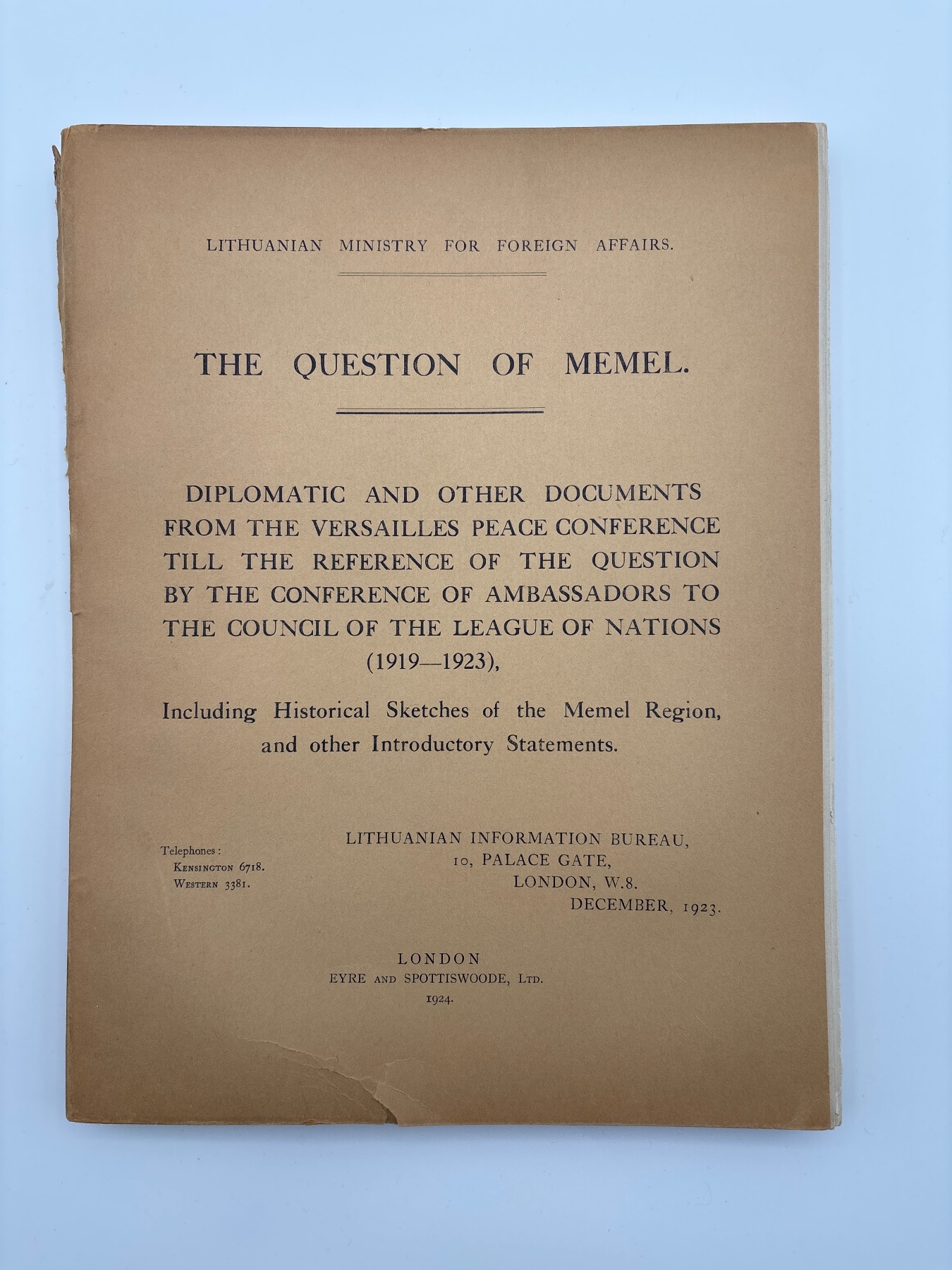
The Question of Memel: Diplomatic and Other Documents from the Versailles Peace Conference till the Reference of the Question by the Conference of Ambassadors to the Council of the League of Nations (1919-1923), Including Historical Sketches of the Memel Region, and other Introductory Statements
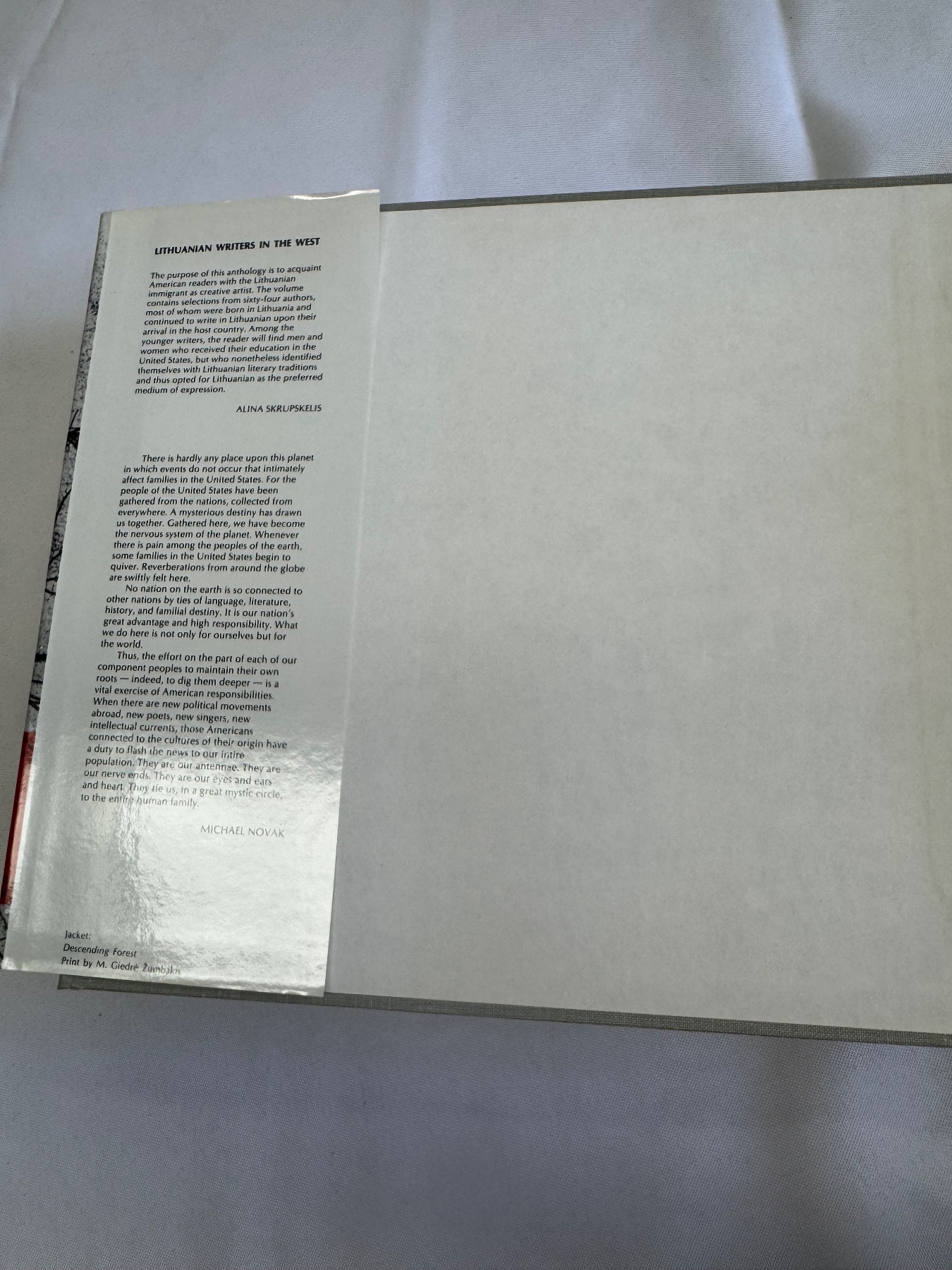
Lithuanian Writers in the West: An Anthology
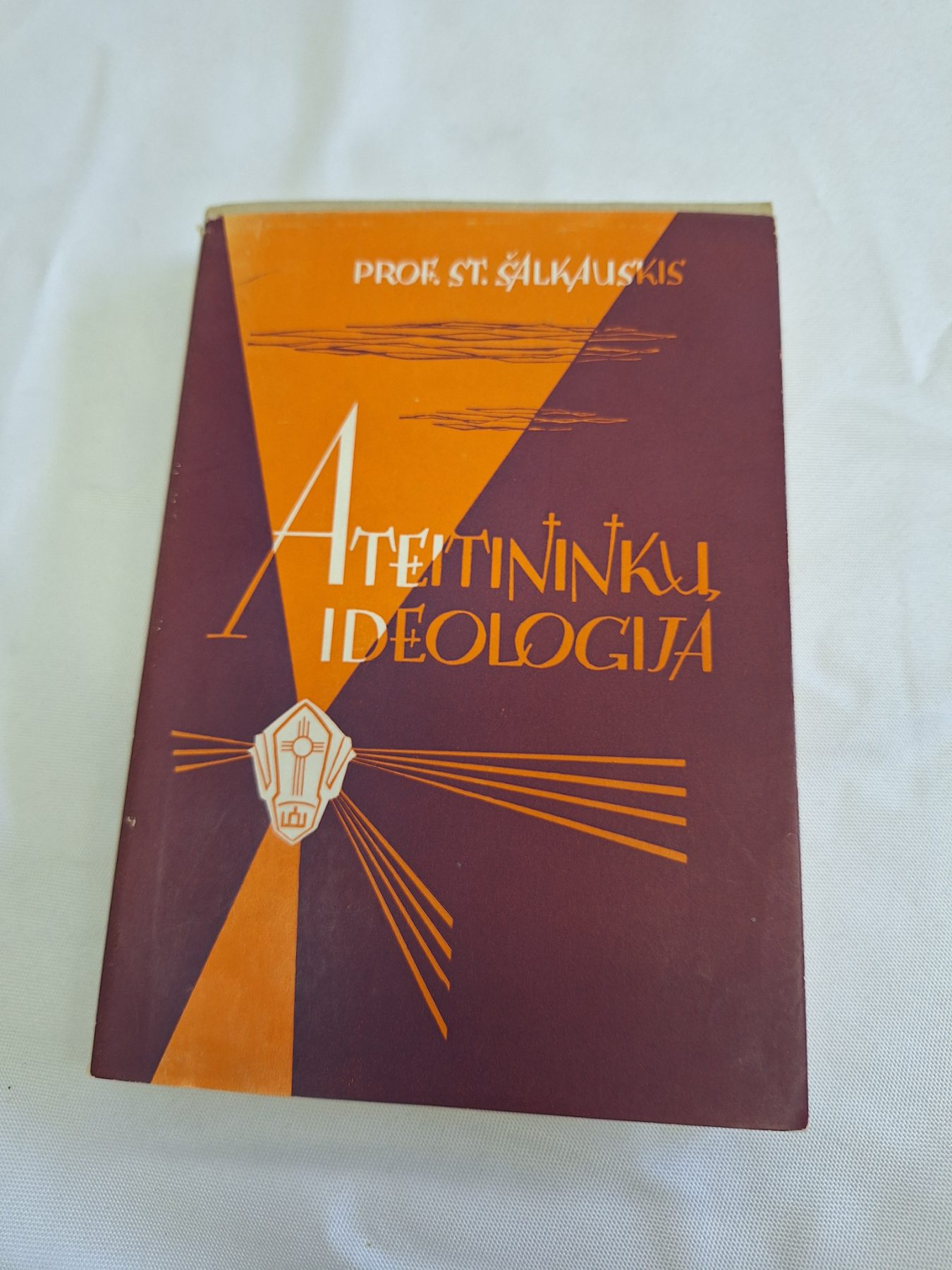
Ateitininkų Ideologija