
Rinktiniai Raštai (Du Tomai) — I Tomas
1957
Historical and community context
Where this record belongs
Soviet censorship
Introduction
This is Volume I of the collected selected writings (Rinktiniai Raštai) of Jonas Jablonskis, the father of the modern standard Lithuanian language, published in Soviet Vilnius in 1957. Jablonskis's grammatical treatises codified Lithuanian morphology and syntax, making this volume a foundational artifact for anyone studying the history of Lithuanian linguistic standardization. Its Soviet-era publication context adds an additional layer of significance: the state apparatus chose to canonize a prewar national language authority, revealing complex negotiations between Lithuanian cultural identity and Soviet ideological control.
Context and significance
Significance
The 1957 Soviet publication of Jablonskis's collected grammatical writings is a striking cultural artifact precisely because of its institutional contradictions. The Soviet Lithuanian state apparatus, which was simultaneously suppressing Lithuanian national identity in political life, nonetheless found it necessary — or ideologically tenable — to republish the work of the man who single-handedly forged standard Lithuanian. This editorial decision reflects the complex Soviet nationality policy that permitted and even promoted certain forms of Lithuanian linguistic and literary heritage while tightly constraining political nationalism. Jablonskis, who died in 1930 well before the Soviet period, could be claimed as a 'people's' grammarian whose work on authentic folk speech aligned superficially with Soviet valorization of the popular and the vernacular.
For the diaspora community in Detroit where this volume now resides, the book's presence carries an additional ironic weight. Lithuanian Americans in the 1950s and 1960s were intensely aware that Soviet-published Lithuanian materials came embedded with ideological framing, yet the linguistic substance of Jablonskis's grammar was irreplaceable — no diaspora press had the resources to republish his complete collected writings. Heritage schools like Žiburio thus found themselves relying on Soviet-produced scholarly infrastructure to teach the very language whose independence they were resisting Soviet erasure of. This volume is a material embodiment of that paradox.
How this record carried memory
Continuity statement explicit, Identity preservation, Pedagogical framing
Record connections
People, places, and institutions linked in the catalog
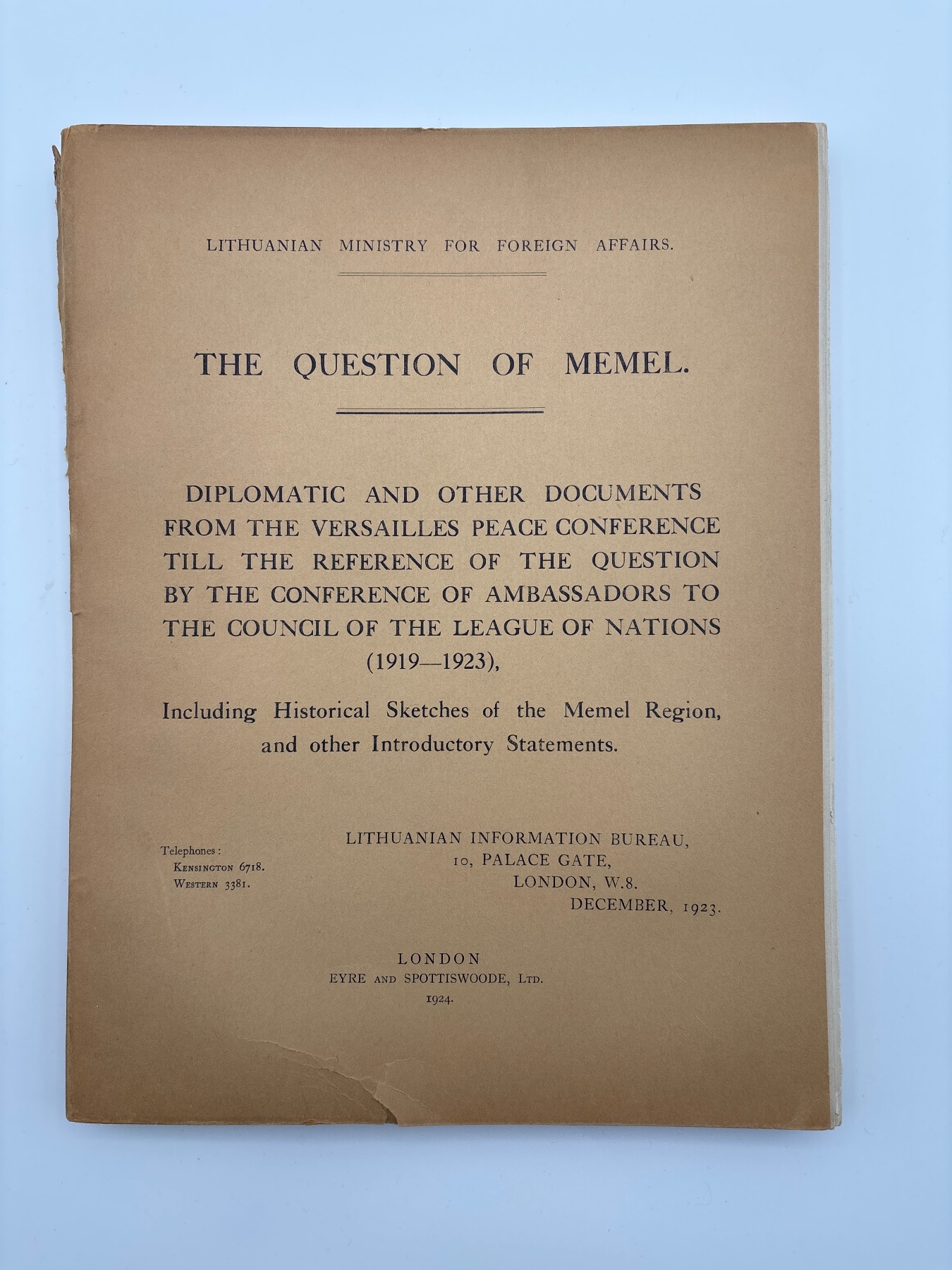
The Question of Memel: Diplomatic and Other Documents from the Versailles Peace Conference till the Reference of the Question by the Conference of Ambassadors to the Council of the League of Nations (1919-1923), Including Historical Sketches of the Memel Region, and other Introductory Statements
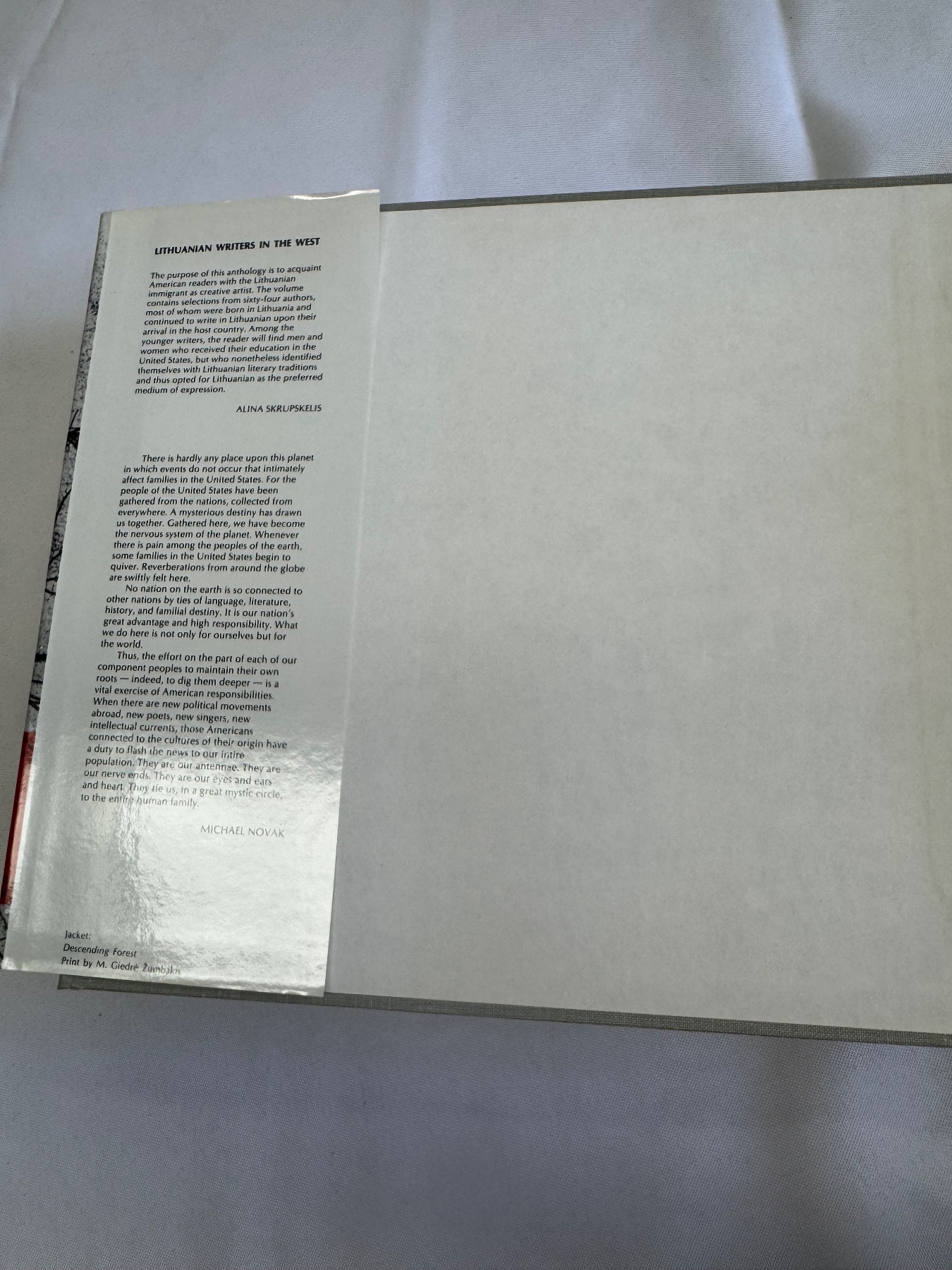
Lithuanian Writers in the West: An Anthology
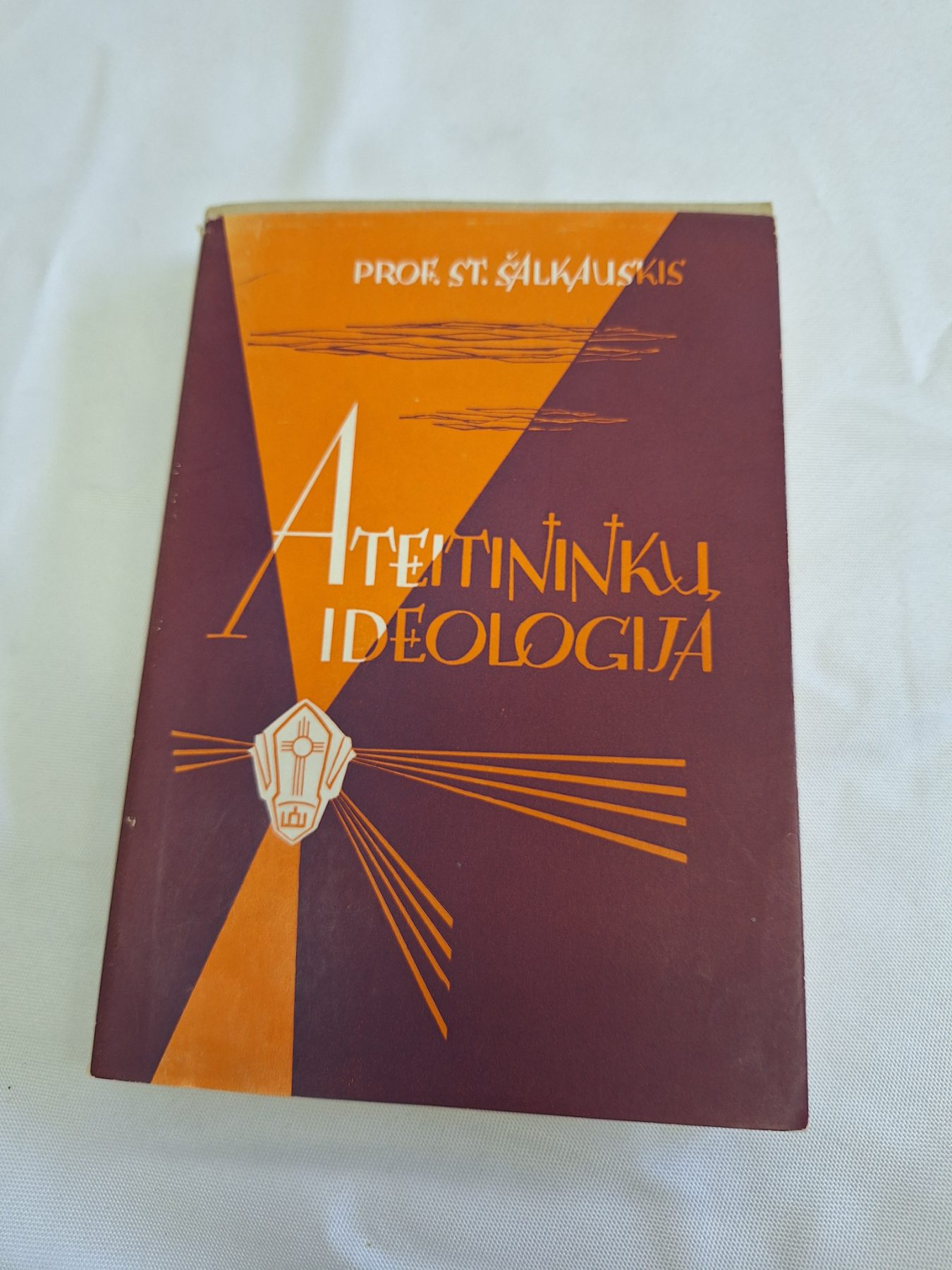
Ateitininkų Ideologija