
Rinktiniai Raštai, I Tomas
Historical and community context
Where this record belongs
Soviet censorship
Context and significance
Significance
This volume encapsulates one of the most consequential linguistic decisions in Baltic history: the standardization of the Lithuanian literary language by Jonas Jablonskis in the early twentieth century. The publication under Soviet auspices in 1957 reveals the complex negotiation between Lithuanian cultural nationalism and Soviet ideological control — the USSR found it politically necessary to claim Jablonskis's legacy as part of 'progressive Lithuanian culture' while the Lithuanian scholarly community used Soviet institutional resources to preserve texts that constituted the foundation of national linguistic identity. The Vilnius University Lithuanian Language Department's role as co-sponsor signals the survival of authentic Lithuanian philological scholarship within the Soviet system.
For diaspora communities in Detroit and across North America, a Soviet-published Jablonskis presents a particular cultural paradox: the very texts that defined what proper Lithuanian was written and published by the occupying state. Diaspora Lithuanian schools like Žiburio would have needed Jablonskis's grammars for reference even if the Soviet provenance made them politically uncomfortable. The presence of this volume in the Žiburio collection suggests pragmatic scholarly use overcoming ideological hesitation — Lithuanian grammar is Lithuanian grammar regardless of who printed it.
The volume is also a window into mid-century Soviet Lithuanian academic infrastructure: the quality of typesetting, the inclusion of full bibliographic apparatus, footnotes citing Varpas, Kuršaitis, Schleicher, and Donelaitis, and the careful editorial framing by the university language department all indicate a functioning scholarly community operating under censorship constraints but maintaining genuine philological standards. This institutional resilience — Lithuanian linguistics surviving and even advancing within Soviet structures — is itself a major theme of twentieth-century Lithuanian cultural history that this book materially documents.
How this record carried memory
Continuity statement explicit — the Soviet publisher explicitly frames this edition as preserving Lithuanian national linguistic heritage, though within the ideological framing of Lietuvos TSR (Lithuanian SSR). The rehabilitation of Jablonskis under Soviet auspices represents a complex negotiation where Lithuanian linguistic nationalism is channeled through Soviet institutional legitimacy. The work itself predates the Soviet period entirely and its content is linguistically rather than politically oriented, allowing it to survive ideological scrutiny while carrying the full weight of Lithuanian national language codification.
Record connections
People, places, and institutions linked in the catalog
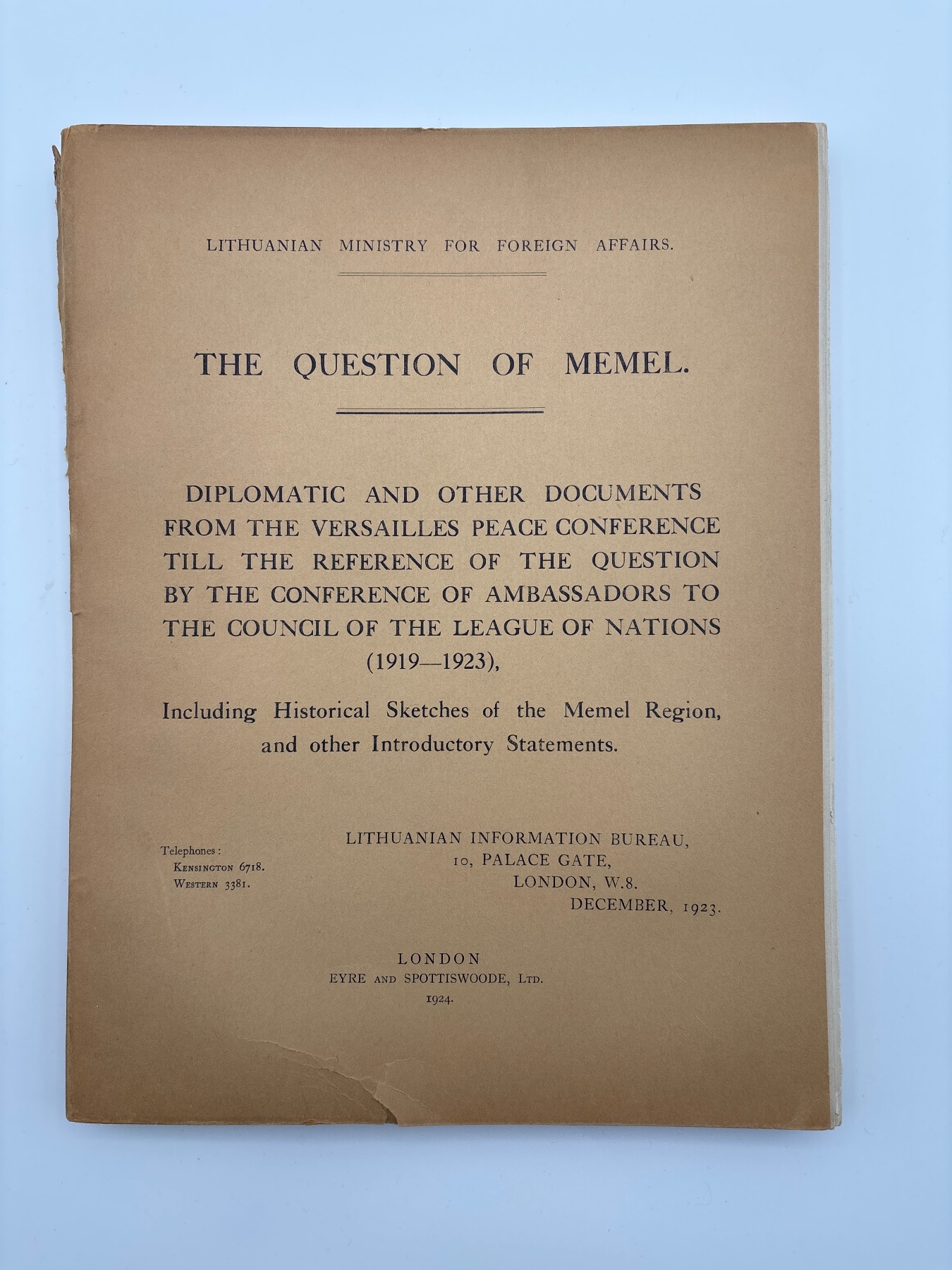
The Question of Memel: Diplomatic and Other Documents from the Versailles Peace Conference till the Reference of the Question by the Conference of Ambassadors to the Council of the League of Nations (1919-1923), Including Historical Sketches of the Memel Region, and other Introductory Statements
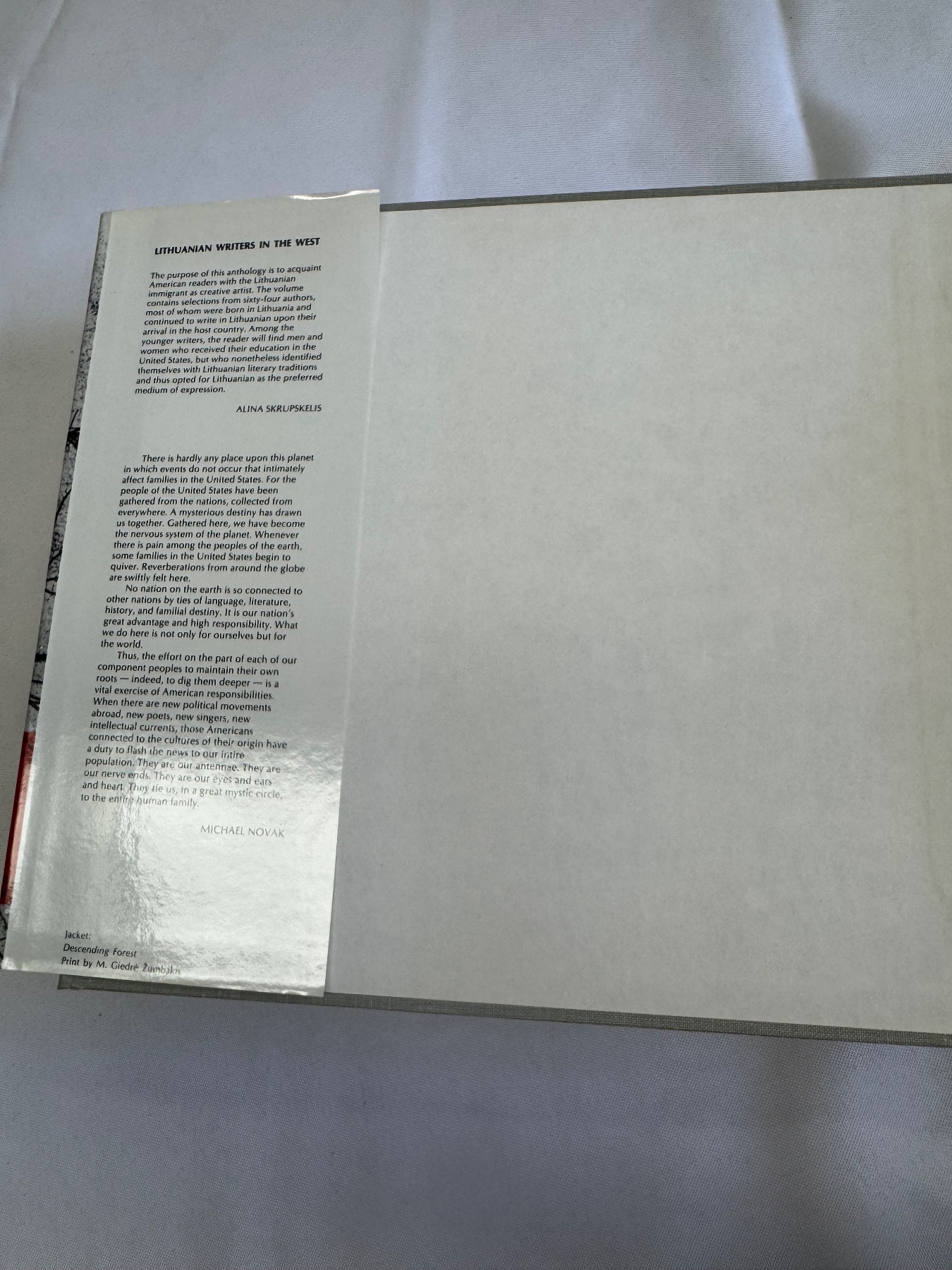
Lithuanian Writers in the West: An Anthology
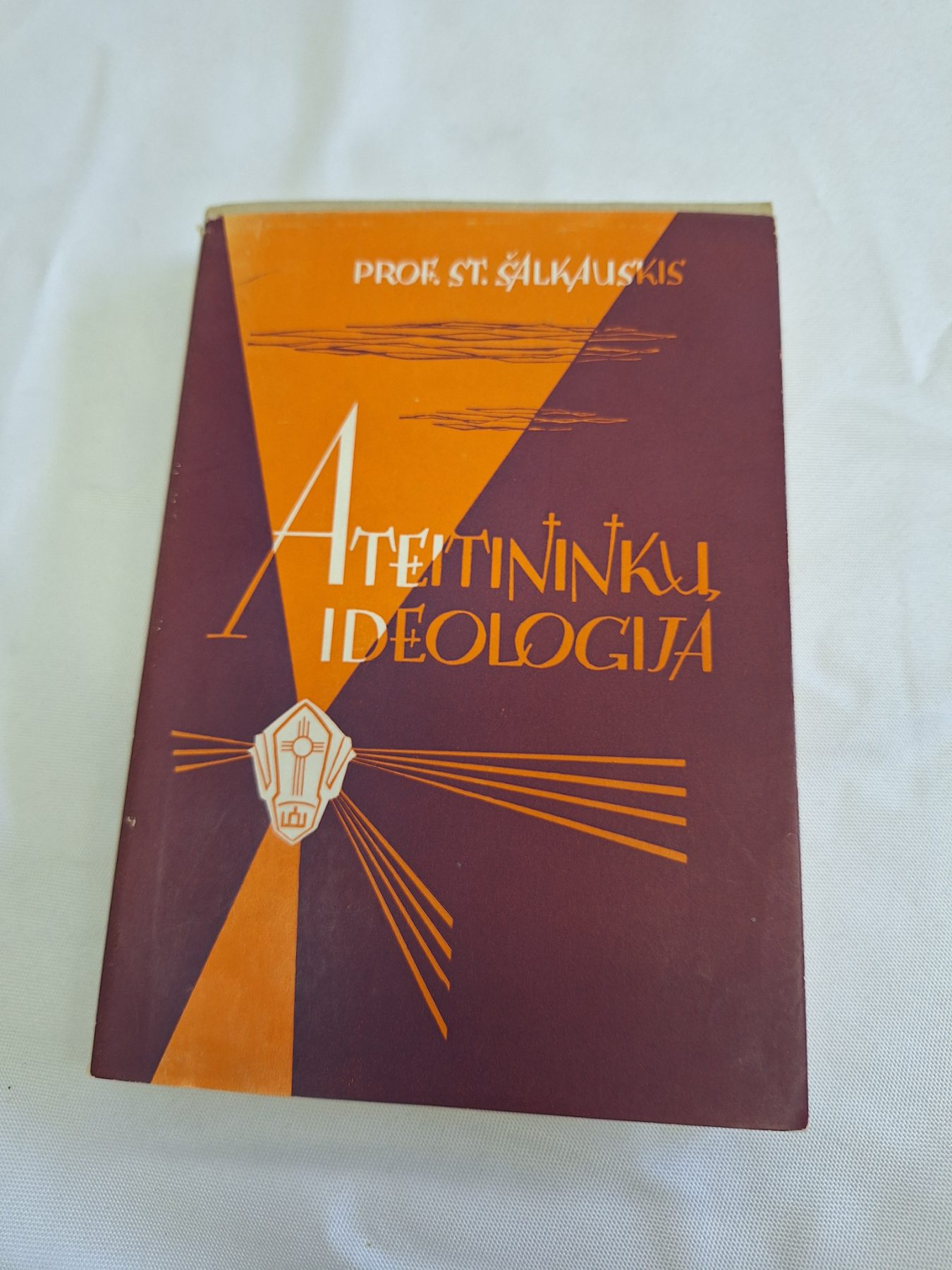
Ateitininkų Ideologija