
Pasaulio Lietuvių Žinynas
Historical and community context
Where this record belongs
Diaspora freedom
Introduction
The Pasaulio Lietuvių Žinynas (Lithuanian World Directory) is the most comprehensive reference work produced by the Cold War–era Lithuanian diaspora, cataloguing hundreds of organizations, intellectuals, clergy, press outlets, and community institutions across five continents. Compiled by Anicetas Simutis and published by the Lithuanian Chamber of Commerce in New York, this 1958 second edition expands dramatically on its predecessor and includes both Lithuanian and English sections, making it accessible to non-Lithuanian-speaking allies and researchers. It represents the diaspora's deliberate effort to document its own existence and assert institutional permanence in the face of Soviet occupation.
Context and significance
Significance
The Pasaulio Lietuvių Žinynas is nothing less than a self-portrait of the Lithuanian diaspora at the height of Cold War exile — a systematic, institution-by-institution documentation of a stateless nation's determination to persist. Its publication by the Lithuanian Chamber of Commerce signals the maturation of diaspora economic infrastructure, and its bilingual structure (Lithuanian and English) reveals a community simultaneously preserving ethnic identity and courting American and international allies in the anti-Soviet cause. The directory's city-by-city listings, from Detroit to Winnipeg to Wellington, demonstrate the diaspora's geographic dispersal across five continents while asserting an imagined institutional coherence — a virtual Lithuania constituted not by territory but by organizations, publications, clergy, and professionals.
The cultural survival mechanisms encoded in this volume are multiple and sophisticated. The editor's preface explicitly invokes Vincas Kudirka's concept of 'minkštaduoniai' (soft-bread weaklings) to shame assimilationists and celebrate those who maintain Lithuanian identity under pressure — framing cultural survival as moral obligation. The inclusion of a comprehensive bibliography of books on Lithuania in the English section reflects a deliberate outreach strategy: equipping non-Lithuanian readers, policymakers, and journalists with the tools to advocate for Lithuania's freedom. This dual audience construction — diaspora community internally, American and Western allies externally — is a defining feature of the most strategically sophisticated diaspora publications.
How this record carried memory
Identity preservation, Continuity statement explicit, Institutional documentation as resistance
Record connections
People, places, and institutions linked in the catalog
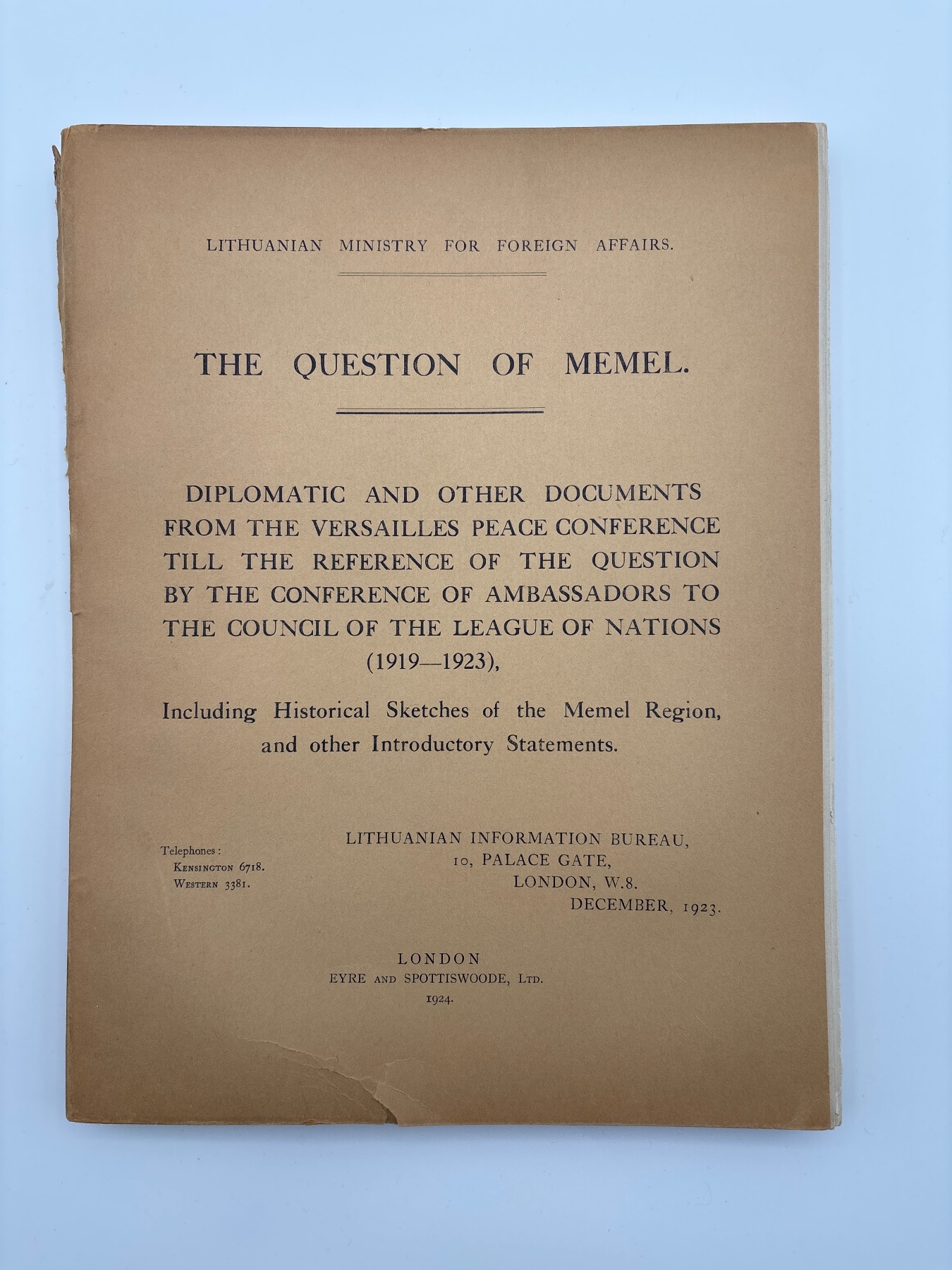
The Question of Memel: Diplomatic and Other Documents from the Versailles Peace Conference till the Reference of the Question by the Conference of Ambassadors to the Council of the League of Nations (1919-1923), Including Historical Sketches of the Memel Region, and other Introductory Statements
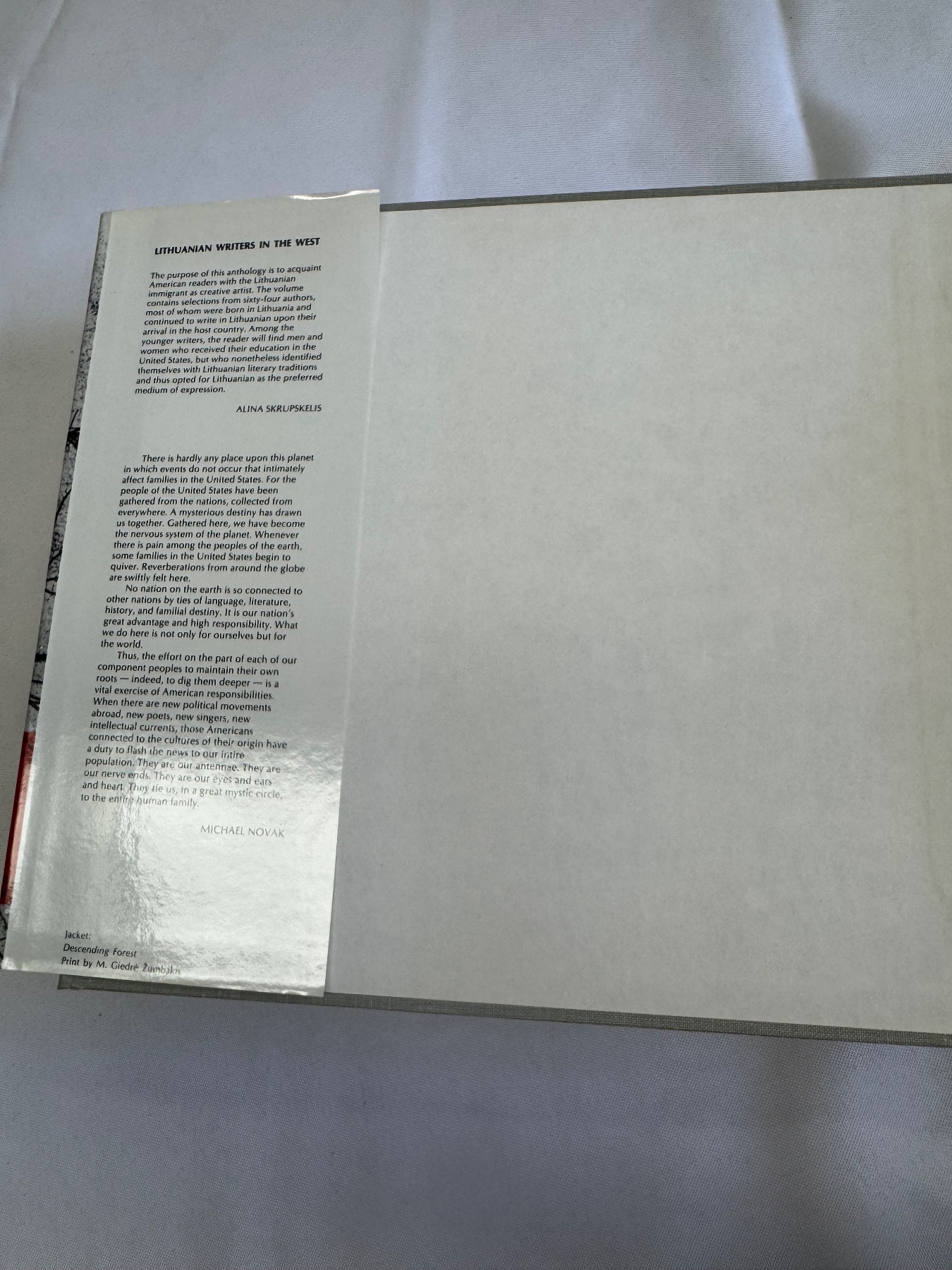
Lithuanian Writers in the West: An Anthology
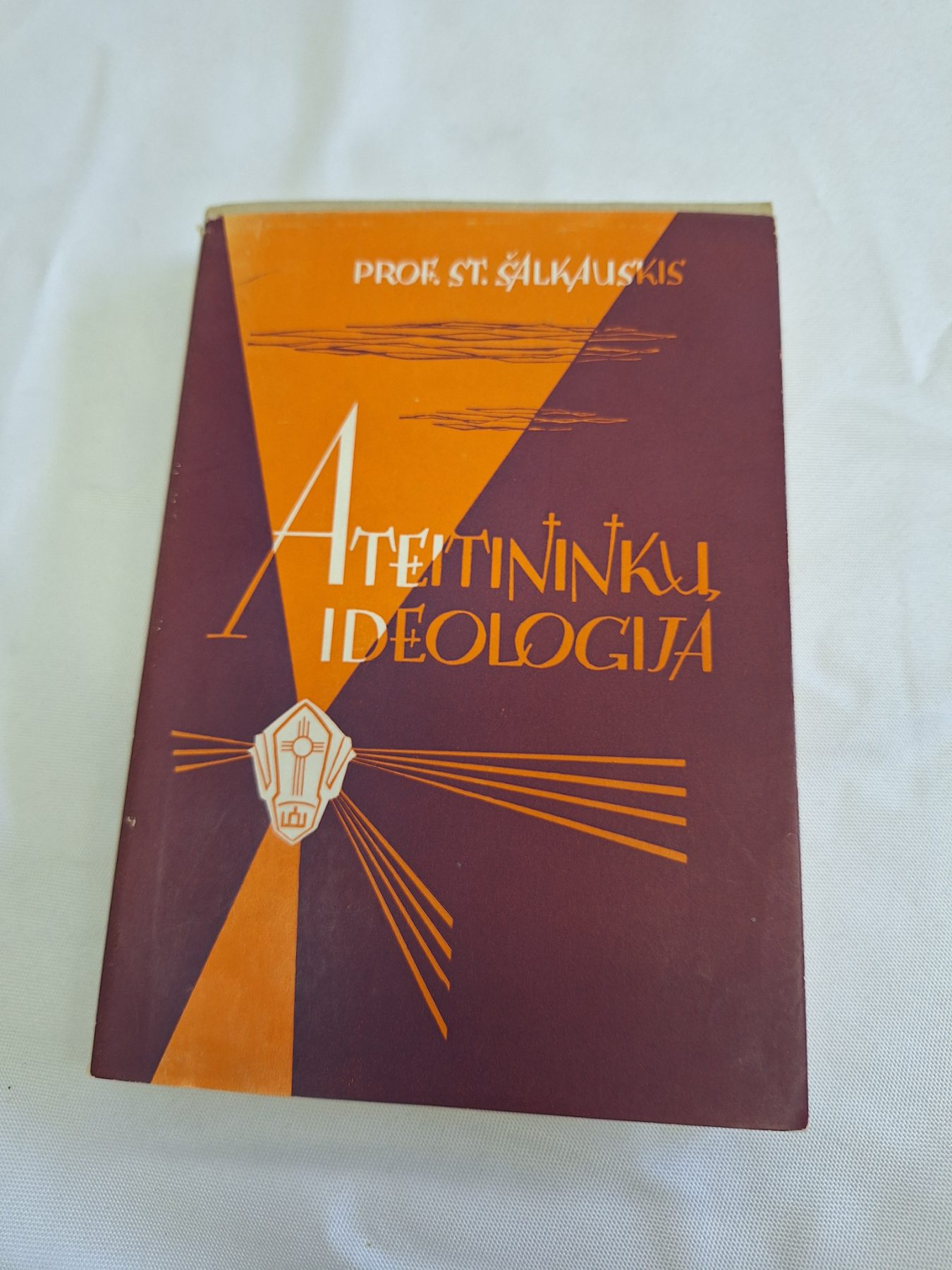
Ateitininkų Ideologija