Pirmasis Rūpestis
1951
Historical and community context
Where this record belongs
Diaspora freedom
Introduction
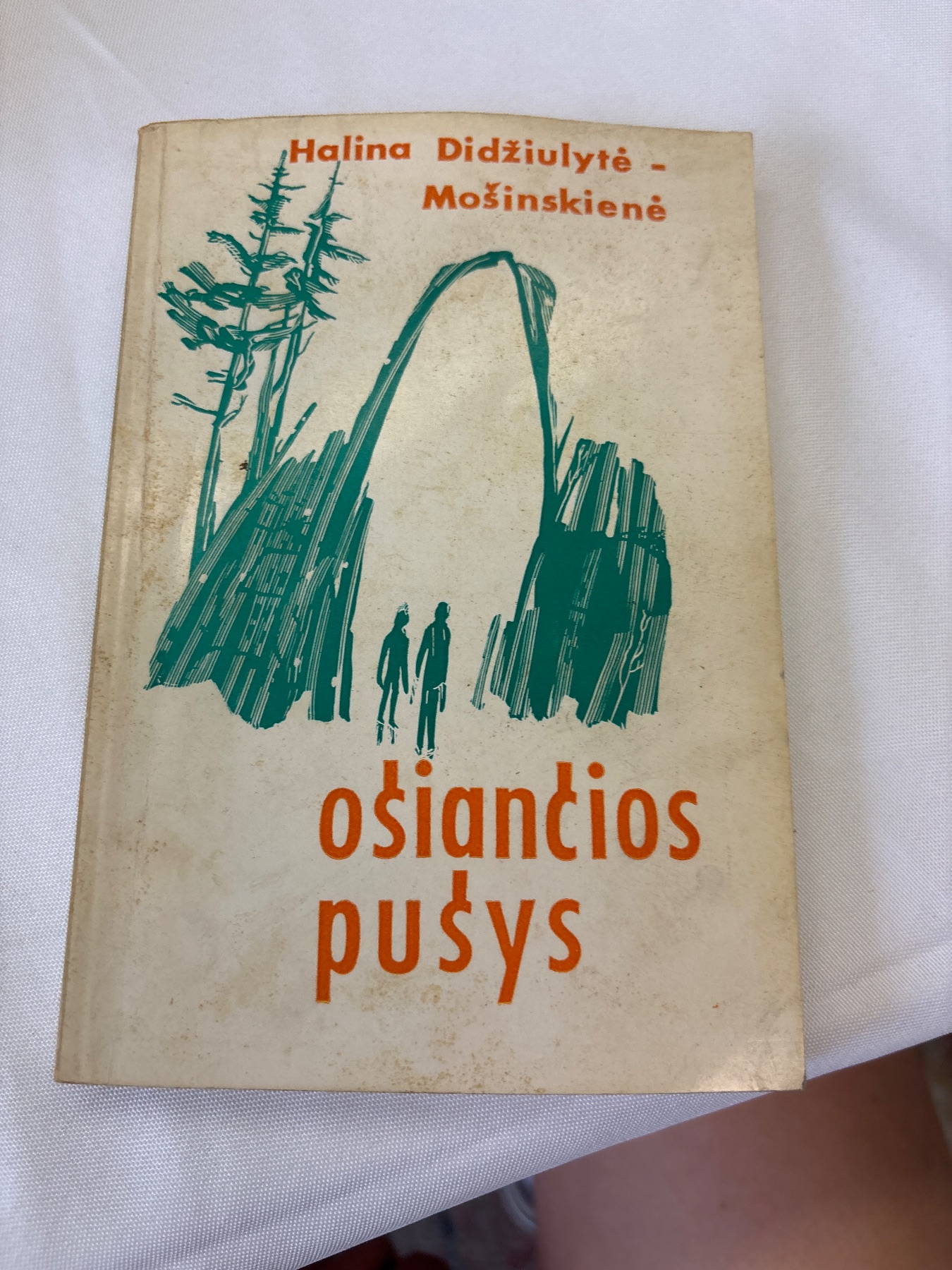
Pirmasis Rūpestis is a short story collection by Jurgis Jankus, one of the most significant Lithuanian diaspora prose writers of the postwar generation, whose work spans rural Lithuanian life, displacement, and the DP camp experience. The volume's fourteen stories — ranging from folk-inflected rural sketches to psychologically nuanced portraits of refugees — represent the mature flowering of Lithuanian diaspora literary realism. Its cover art depicting a medieval Lithuanian warrior rider signals both cultural pride and the nationalist aesthetic of diaspora publishing, making it an artifact of literary and visual culture simultaneously.
Context and significance
Significance
Pirmasis Rūpestis exemplifies the literary infrastructure that Lithuanian diaspora communities constructed in exile as a deliberate counter to Soviet cultural erasure. The very existence of a polished short story collection — with designed cover art, formal typography, and a structured table of contents — demonstrates that diaspora publishing had moved well beyond survival-mode mimeograph production into sophisticated cultural institution-building. The book's fourteen stories, spanning rural Lithuanian folk life, interwar village society, religious ritual (baptisms, first confessions), and the displacement trauma visible in stories like 'Pabėgėliai' (Refugees), represent the full range of experience that the diaspora literary community felt compelled to document and transmit.
Jankus's prose performs a specific cultural survival function: it preserves the texture of Lithuanian rural life — its sounds, smells, social hierarchies, folk beliefs, and moral vocabulary — at the precise moment when that life was being destroyed by Soviet collectivization and deportation. Stories referencing 'Šeduva' (a real Lithuanian town), folk customs around baptisms and first communion, and the flight from Lithuania into exile give this collection extraordinary ethnographic density alongside its literary value. The narrative voice, oscillating between childhood innocence and adult retrospection, is the voice of a culture processing loss through art.
How this record carried memory
Identity preservation, Continuity statement explicit, Pedagogical framing
Record connections
People, places, and institutions linked in the catalog