
Gimtoji Kalba: Bendrinės Kalbos Laikraštis
contributors include Pr. Skardžius, Vladas Braziulis, O. Rozniekienė, A.G. Giedraitis, St. Barzdukas; L. Dambriūnas; associated with Lietuvių Kalbos Draugija and JAV LB Kultūros Fondas
1965
Historical and community context
Where this record belongs
Diaspora freedom
Introduction
Gimtoji Kalba is the flagship Lithuanian-language normative linguistics journal of the American Lithuanian diaspora, dedicated to preserving and standardizing bendrinė kalba (standard Lithuanian) in exile. Published four times yearly by the JAV LB Kultūros Fondas and edited by the eminent linguist L. Dambriūnas, this 1965 combined issue engages in rigorous prescriptive and descriptive debate on Lithuanian grammar, usage, loanwords, and orthography at precisely the moment when diaspora Lithuanian faced its greatest threat from English influence. It represents the organized institutional effort of Lithuanian Americans to maintain linguistic fidelity to the standard language while living in an Anglophone environment.
Context and significance
Significance
Gimtoji Kalba represents one of the most sophisticated expressions of diaspora linguistic self-governance — the conviction that a community in exile could not only maintain a language but actively steward its standardization and purification at a scholarly level. The existence of a dedicated linguistics journal, published quarterly, with a paying subscriber base and free distribution to Lithuanian school students, demonstrates that the American Lithuanian diaspora had constructed a remarkably complete institutional apparatus for language preservation: schools to teach the language, a cultural fund to finance publications, a language society to set norms, and this journal to disseminate and enforce those norms across the geographically dispersed community.
The content of this particular issue illuminates the specific linguistic anxieties of the 1965 diaspora moment. The lead article on the verb tikėti reveals how diaspora linguists were grappling with the intersection of liturgical language change (Vatican II was concluded in December 1965, with direct implications for Lithuanian church language) and everyday usage drift. The 'Klausimų kraitelė' column — addressing terms like 'American Airlines,' 'narkomanija,' and 'simposiumo ar simpoziumo' — shows that the journal was actively mediating between the English-speaking world diaspora Lithuanians inhabited and the Lithuanian standard they were trying to preserve. This dual function, simultaneously academic and pastoral, is characteristic of diaspora cultural institutions.
The back matter, listing 16 publications available from JAV LB Kultūros Fondas including multi-volume anthologies, folk song collections, dance manuals, and children's textbooks for Lithuanian school grades V through VIII, reveals the full scope of the diaspora cultural ecosystem this journal inhabited. The price of $2.00 per year subscription, with free copies to Lithuanian school students and the Chicago Pedagogical Lituanistics Institute, shows a deliberate strategy of using the journal as an educational tool — connecting the scholarly linguistic project directly to heritage language transmission in the next generation.
How this record carried memory
Identity preservation; Pedagogical framing; Continuity statement explicit
Record connections
People, places, and institutions linked in the catalog
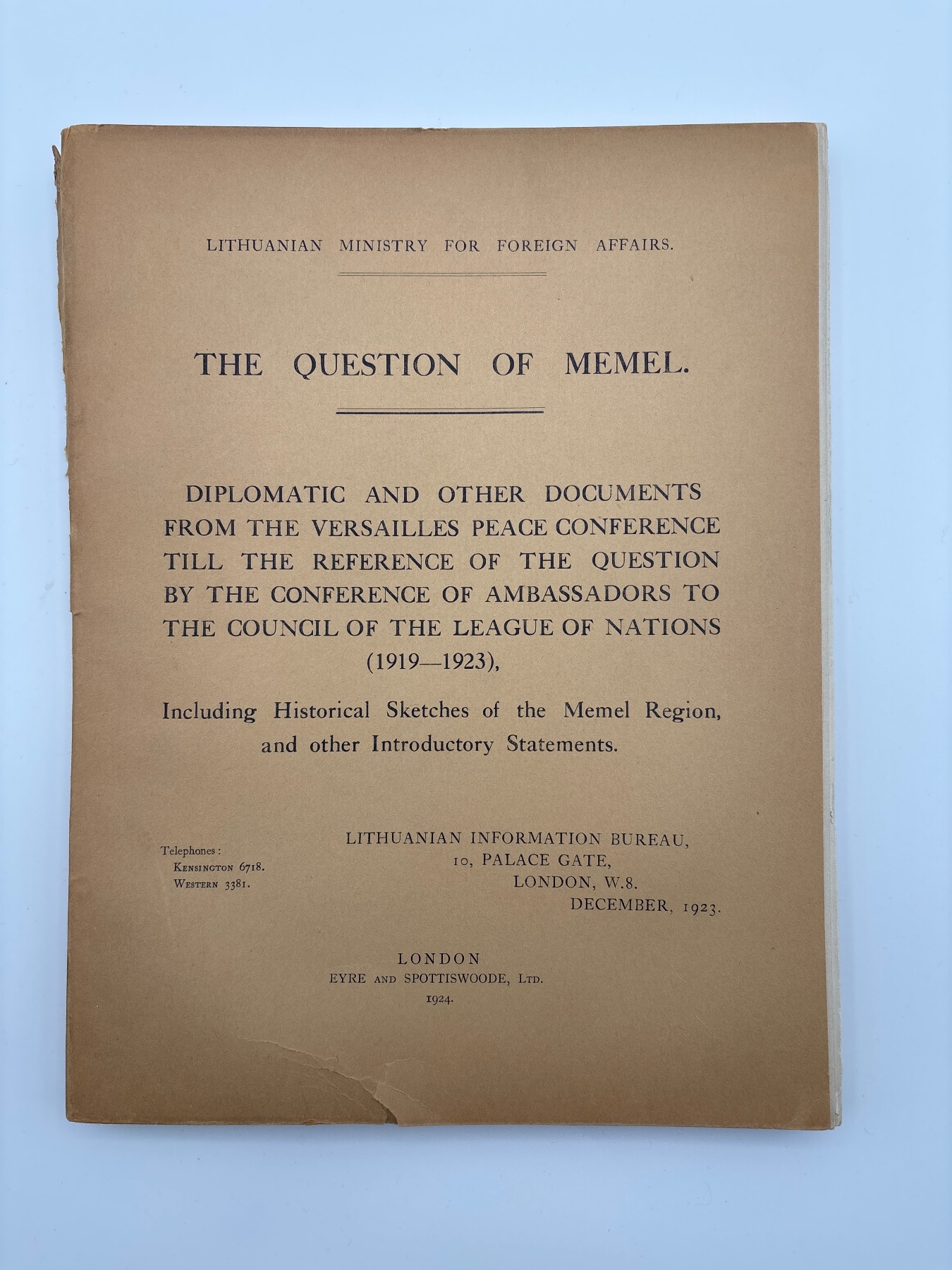
The Question of Memel: Diplomatic and Other Documents from the Versailles Peace Conference till the Reference of the Question by the Conference of Ambassadors to the Council of the League of Nations (1919-1923), Including Historical Sketches of the Memel Region, and other Introductory Statements
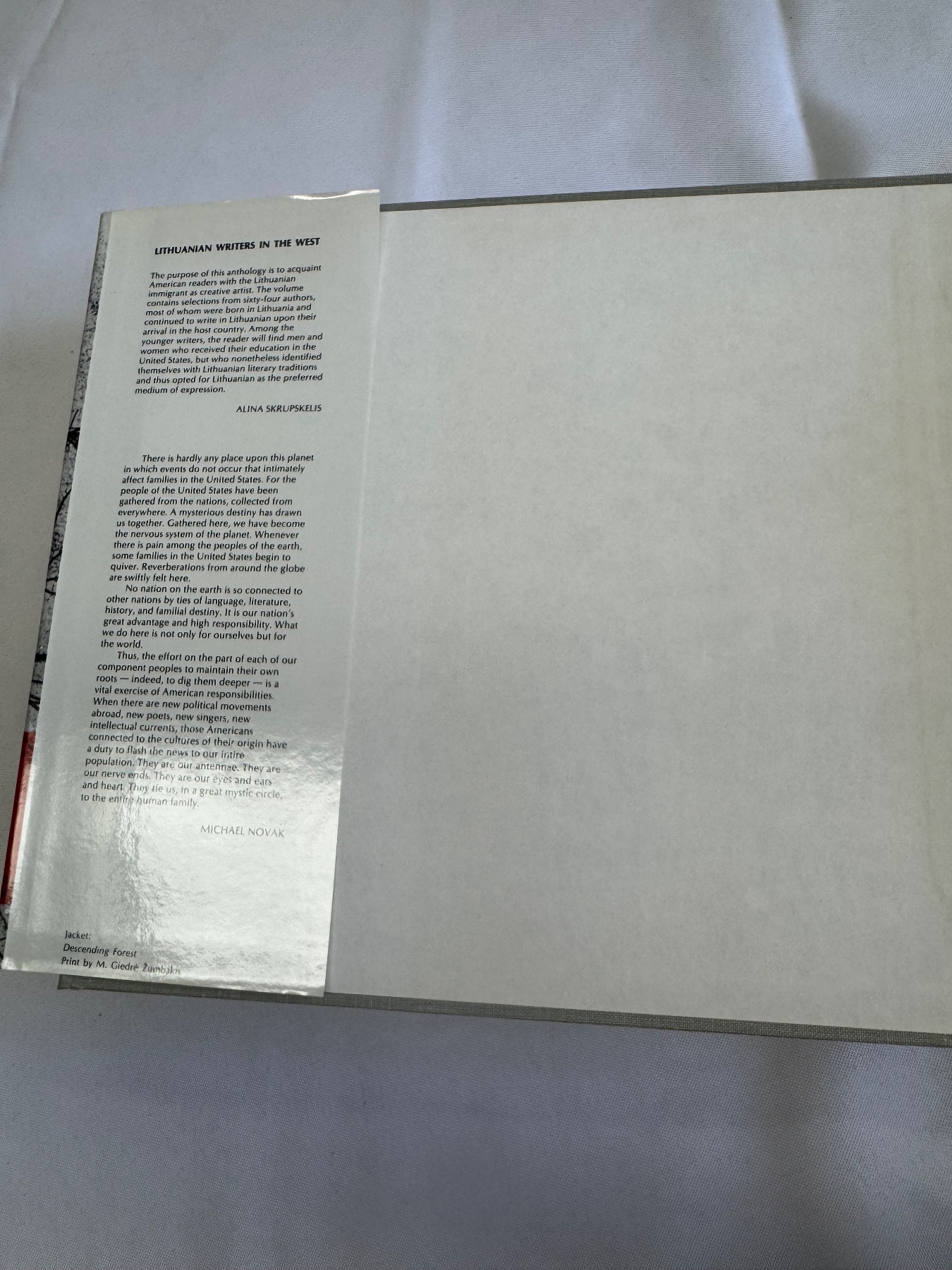
Lithuanian Writers in the West: An Anthology
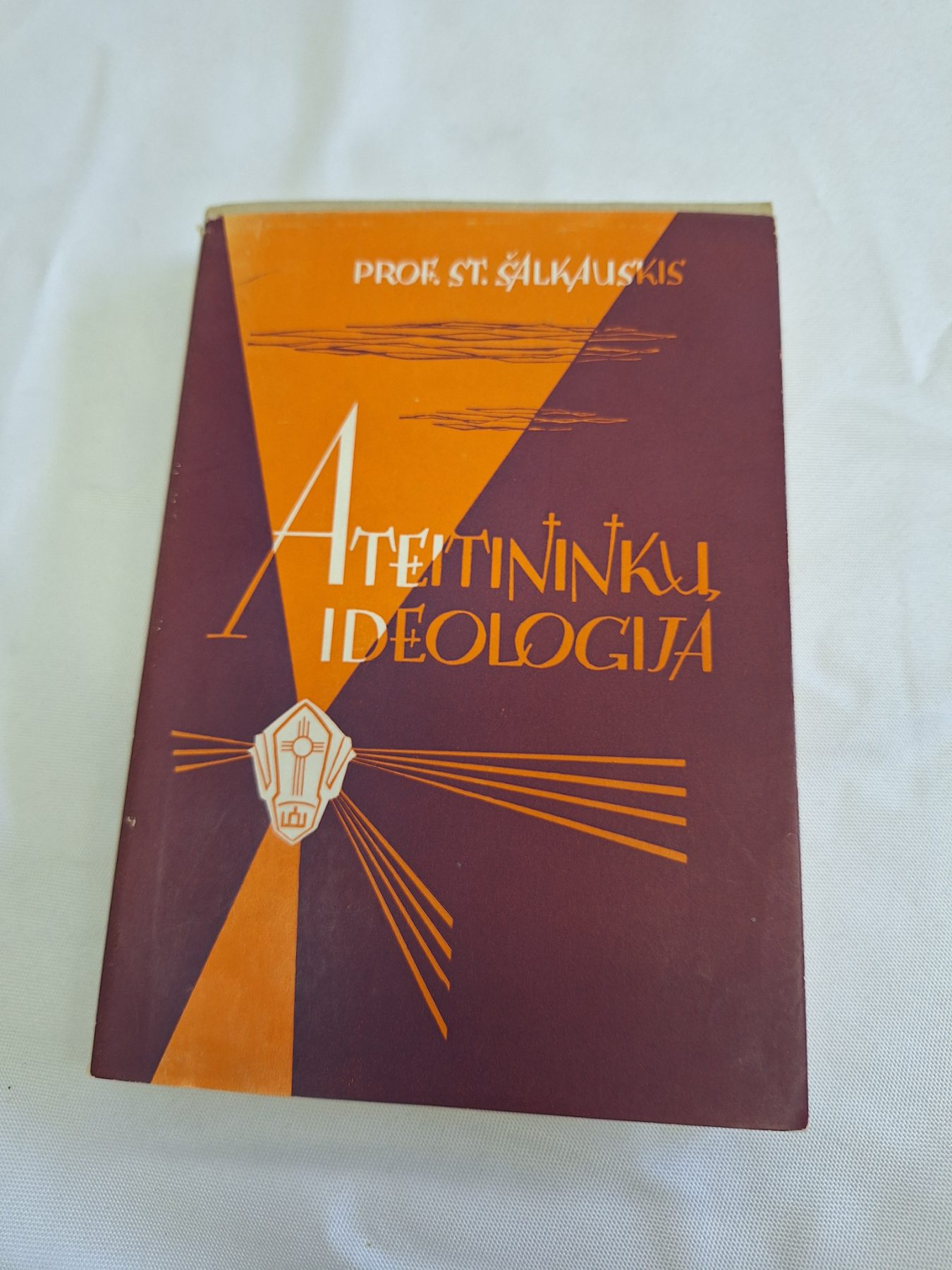
Ateitininkų Ideologija