Raganius
1958
Historical and community context
Where this record belongs
Soviet censorship
Introduction
Raganius is a major work by Vincas Krėvė, one of the foundational figures of Lithuanian literature, published in Soviet-occupied Vilnius in 1958 by the State Fiction Literature Publishing House. The subtitle 'Prieškarinių laikų sodžiaus gyvenimo šešėliai' (Shadows of pre-war village life) signals its ethnographic and literary ambition: to preserve the texture of Lithuanian rural existence from the interwar period. The collection of interconnected stories — Žemaitukas, Simajudas, Kukis ir Gugis, Pramuštgalvis, Su dievu susitaikius, Pas dangaus vartus — represents a canonical rendering of Lithuanian peasant life, folk psychology, and moral landscape that shaped generations of readers both in Lithuania and in diaspora.
Context and significance
Significance
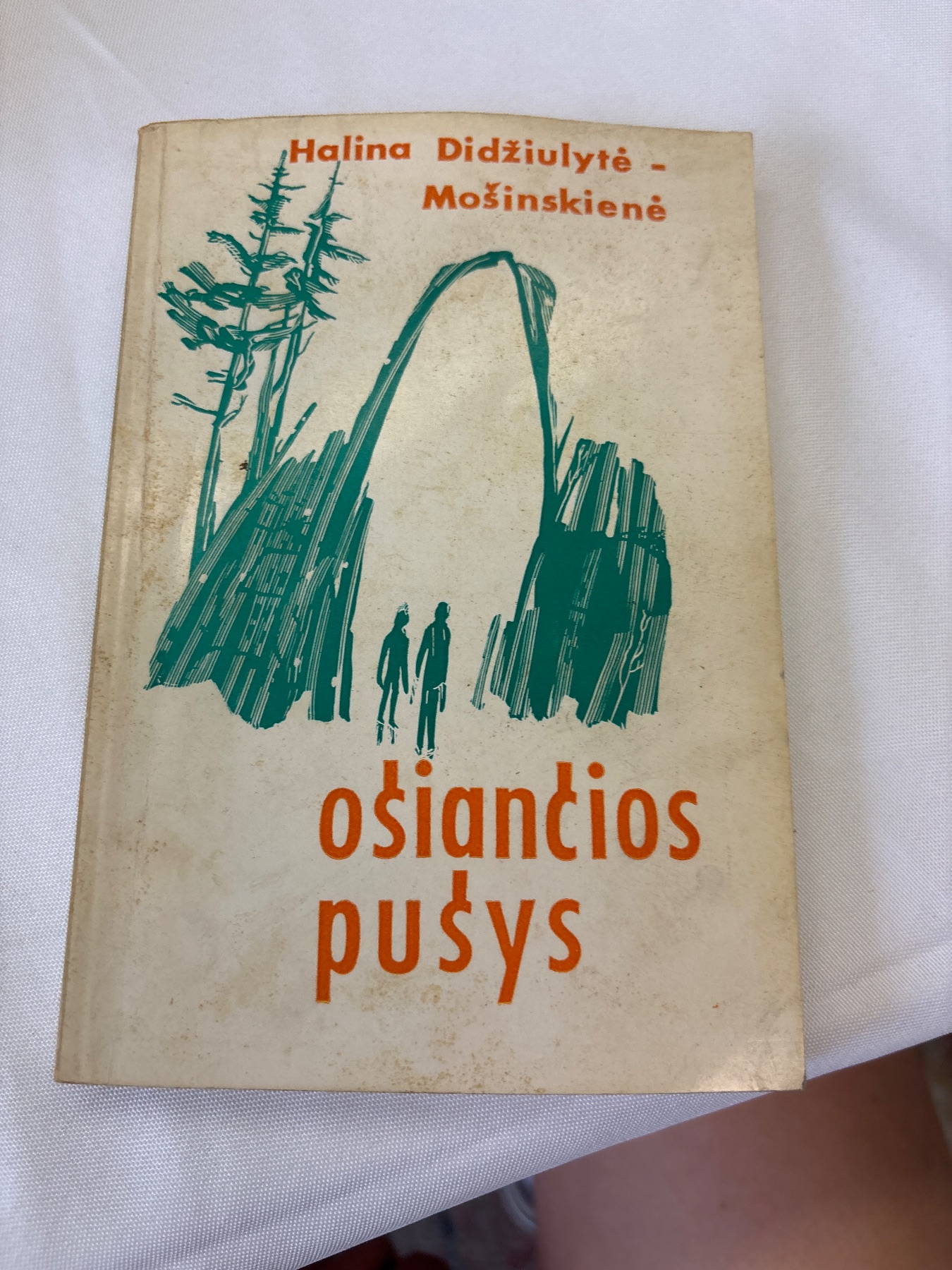
The appearance of Raganius in a diaspora school collection, published by the Soviet state apparatus in 1958, illuminates a paradox central to Lithuanian cultural survival: the very occupying power that suppressed Lithuanian independence simultaneously preserved and disseminated canonical Lithuanian literary texts, creating a strange dependency in which diaspora institutions sometimes relied on Soviet-printed editions to maintain Lithuanian literary culture. Krėvė, who fled Lithuania in 1944 and spent his final decade in American exile at the University of Pennsylvania, was posthumously reclaimed by Soviet publishers as a 'progressive' Lithuanian writer — a reframing that diaspora readers would have recognized and resisted even as they used the books. The woodcut illustrations and quality binding suggest the Soviet state's investment in presenting this work as a legitimate cultural artifact, not propaganda — a careful aesthetic neutrality that made the volumes palatable to diaspora institutions.
The six-story structure of Raganius — moving from the comic rural figure of Žemaitukas through mythological encounter in Pas dangaus vartus — represents Krėvė's project of constructing a Lithuanian peasant mythology with the moral and psychological depth of European literary realism. For diaspora schools, this text served as proof that Lithuanian rural culture had achieved literary canonization, providing students not just language practice but a vision of Lithuanian village life as a richly textured civilization worthy of preservation. The characters — village herdsmen, blacksmiths, Jewish traders (Jankelis), folk healers — constitute a social panorama of pre-war Lithuanian rural society that no other single text captures so completely.
How this record carried memory
Identity preservation, Continuity statement explicit, Ideology stripped/softened
Record connections
People, places, and institutions linked in the catalog