
Už Geresnį Pasaulį
Historical and community context
Where this record belongs
Diaspora freedom
Introduction
A 1957 Lithuanian-language Catholic social action treatise published in London by the Marian Fathers (MIC), framed around Pope Pius XII's 'Better World Movement' and documenting the Great Britain Lithuanian Congress for a Better World. This is a rare artifact of Lithuanian diaspora Catholic intellectual life in postwar Britain — where the Marian order served as primary custodians of Lithuanian spiritual and cultural continuity — incorporating papal teaching, episcopal responses, congress resolutions, and original Lithuanian religious poetry by Bernardas Brazdžionis. Its dual function as theological argument and community mobilization document makes it a uniquely rich window into how Lithuanian Catholics in exile organized spiritual resistance to Soviet occupation through transnational Catholic networks.
Context and significance
Significance
This publication represents a remarkable intersection of transnational Catholic institutional infrastructure and Lithuanian diaspora cultural preservation. The triple-layer ecclesiastical approval — from the MIC Superior General in Rome, the London-based Lithuanian Marian censor, and the Westminster Vicar Capitular — reveals how Lithuanian exile communities in Britain operated simultaneously within universal Church governance structures and their own ethnic organizational networks. The Great Britain Lithuanian Congress for a Better World, documented in Part II, exemplifies the diaspora practice of adapting international Catholic movements (in this case Padre Lombardi's 'Pro Mundo Meliori' crusade) into specifically Lithuanian cultural and national frames, using the language of Catholic social action to simultaneously address universal spiritual concerns and the particular plight of a nation under Soviet occupation.
The Nida Press imprint situates this volume within the most intellectually serious strand of Lithuanian diaspora publishing. Nida published poets, novelists, historians, and theologians — it was the Free Lithuanian Press in the fullest sense — and its decision to publish this theological-civic hybrid text signals that the community understood Catholic social engagement not as separate from cultural survival but as its primary mechanism. The inclusion of Bernardas Brazdžionis's poem 'Kristui Karaliui' as frontispiece — with its explicit line 'Su Tavim eis visa Lietuva!' (All of Lithuania will walk with You!) — transforms what might have been a dry ecclesiastical pamphlet into a statement of national-spiritual identity, fusing Catholicism and Lithuanian nationhood in the classic mode of the diaspora's self-understanding.
The bibliography, citing Padre Lombardi, Garrigou-Lagrange, Henri de Lubac, and even Charles Lindbergh's 'Of Flight and Life,' demonstrates the intellectual ambition of the Lithuanian Marian clergy in London: they were reading and synthesizing the cutting edge of mid-century Catholic thought and presenting it in Lithuanian to their community, refusing to allow the diaspora's cultural horizon to narrow. This is an institution building document as much as a devotional one — it records resolutions, episcopal responses, and post-congress reflections that together constitute an archive of how Lithuanians in Britain organized themselves as a spiritual-national community in the decade after displacement.
How this record carried memory
Religion as language vessel, Faith framed as heritage, Identity preservation, Continuity statement explicit
Record connections
People, places, and institutions linked in the catalog
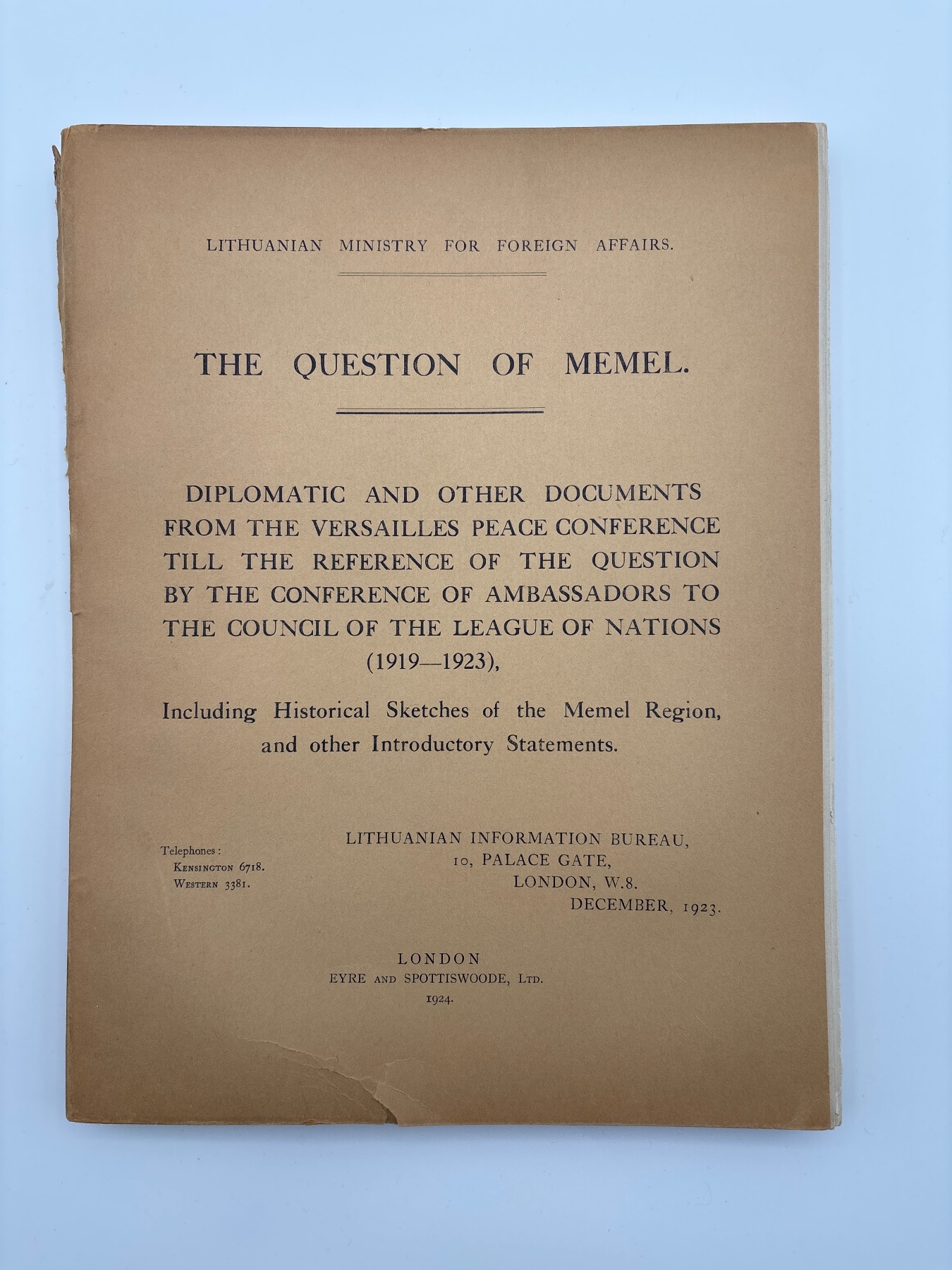
The Question of Memel: Diplomatic and Other Documents from the Versailles Peace Conference till the Reference of the Question by the Conference of Ambassadors to the Council of the League of Nations (1919-1923), Including Historical Sketches of the Memel Region, and other Introductory Statements
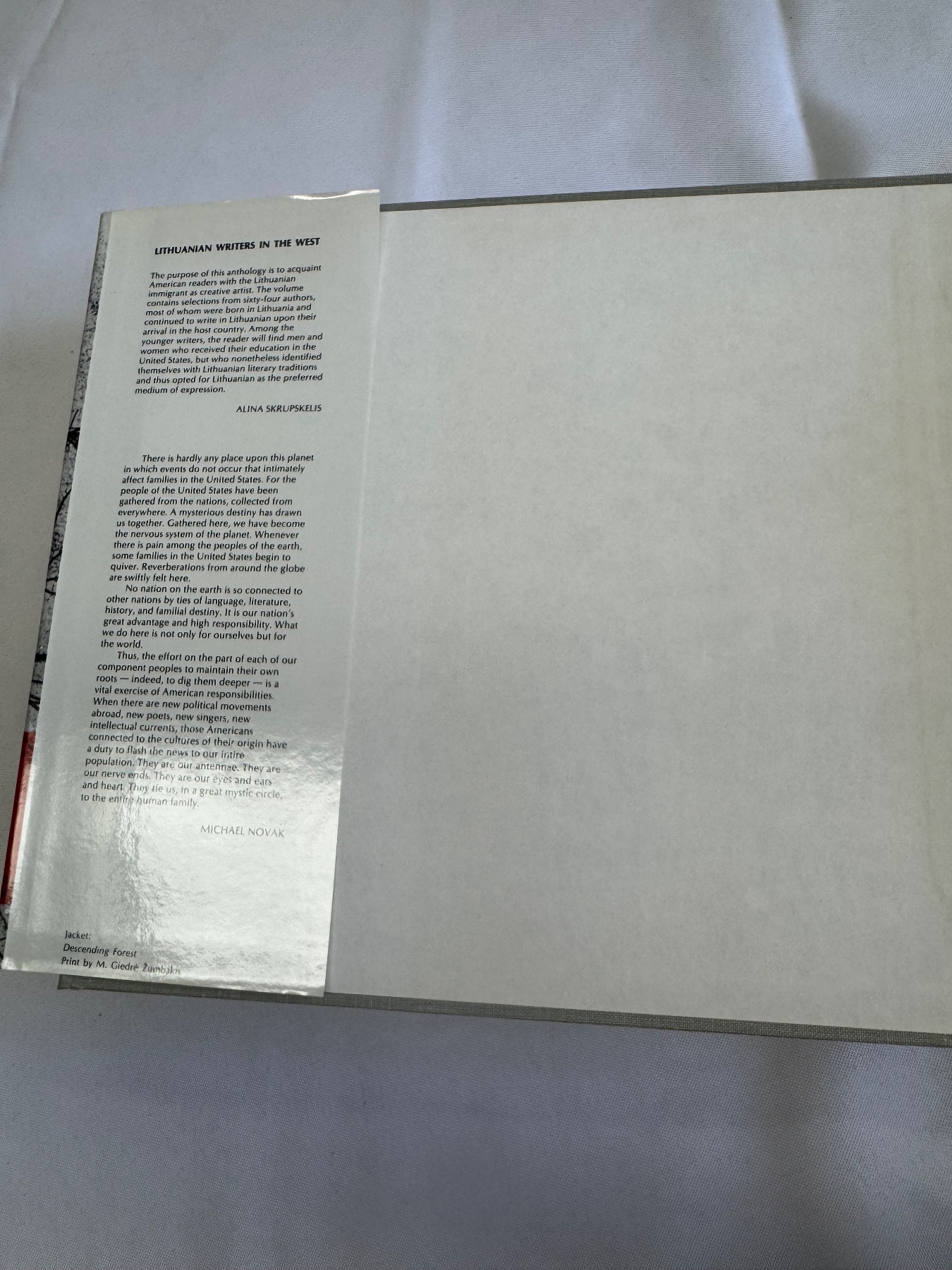
Lithuanian Writers in the West: An Anthology
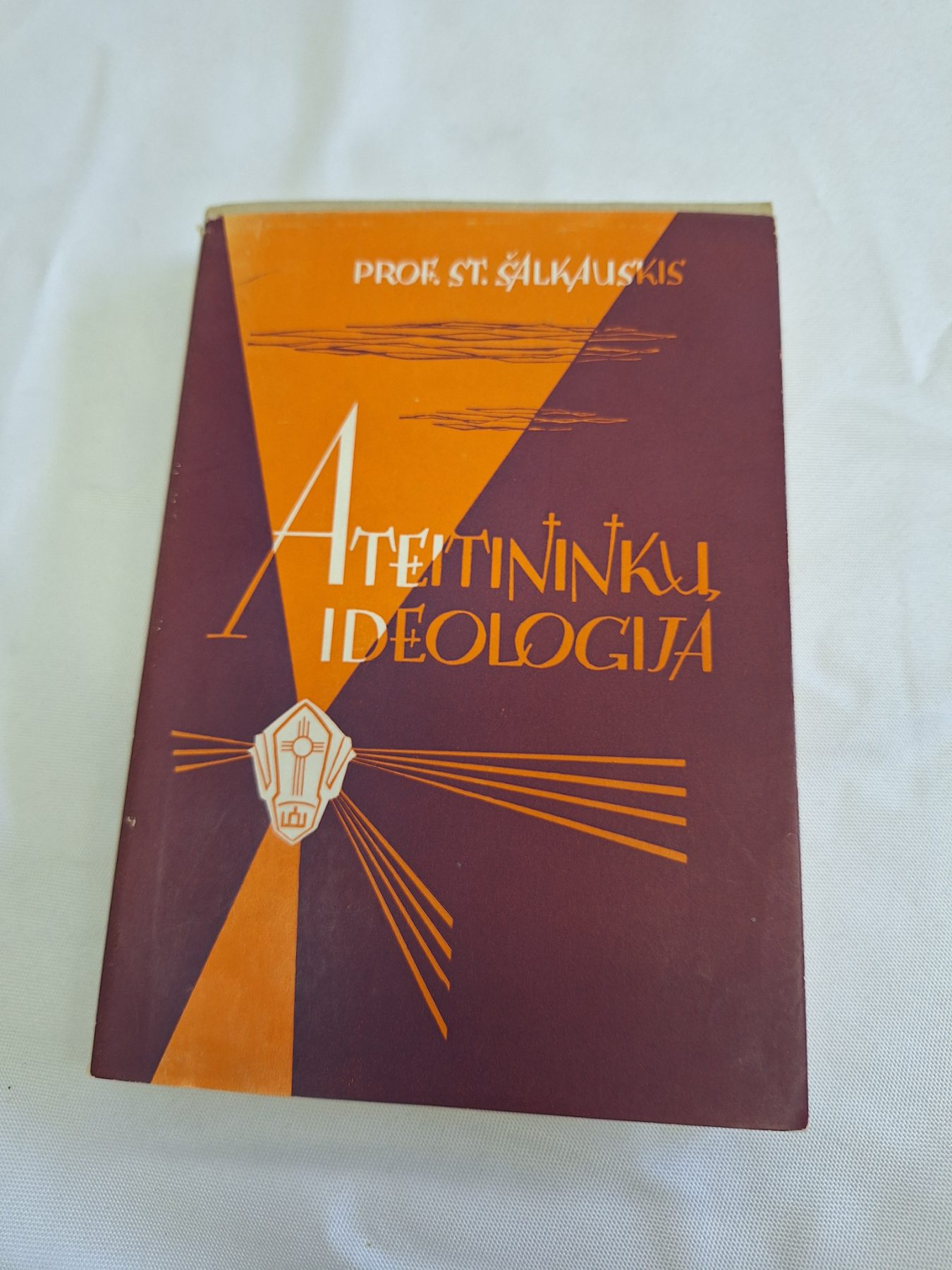
Ateitininkų Ideologija