Lithuanian Writers in the West: An Anthology
Edited by Alina Skrupskelis; Foreword by Michael Novak; Introduction by Rimvydas Šilbajoris; Prints by M. Giedrė Žumbakis; Alina Skrupskelis; Art Directors: Petras Aleksa, Vincas Lukas; Assistant Editor: Henrieta Vepštas; Consulting Editors: Kazys Bradūnas, Thomas McClanahan; Director of Photography: Algimantas Kezys, S.J.; Proofreader: Algis Avižienis; Technical Editor: Petras Aleksa; Translations Editor: Nijolė Gražulis
1979
Historical and community context
Where this record belongs
Diaspora freedom
Introduction
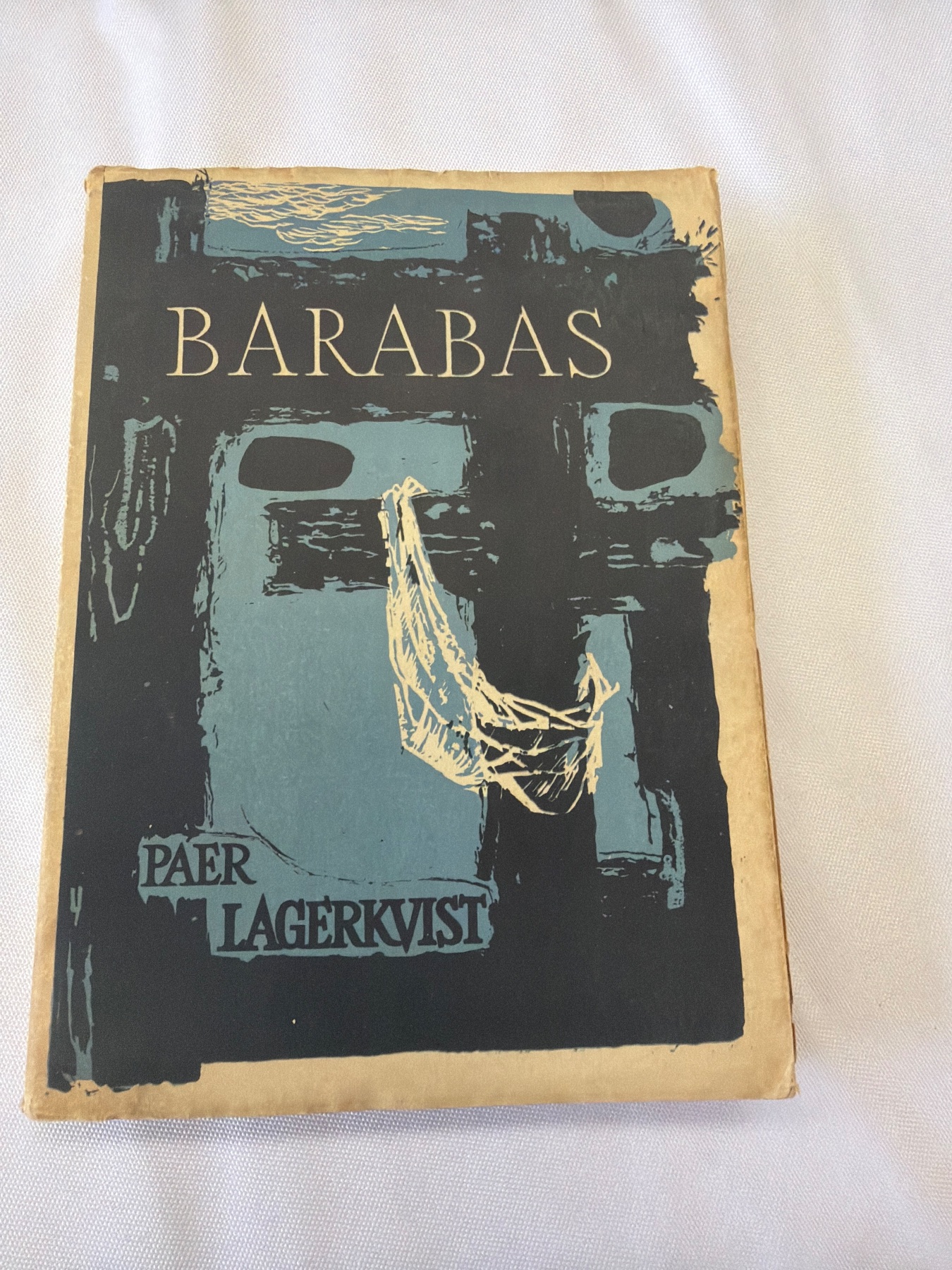
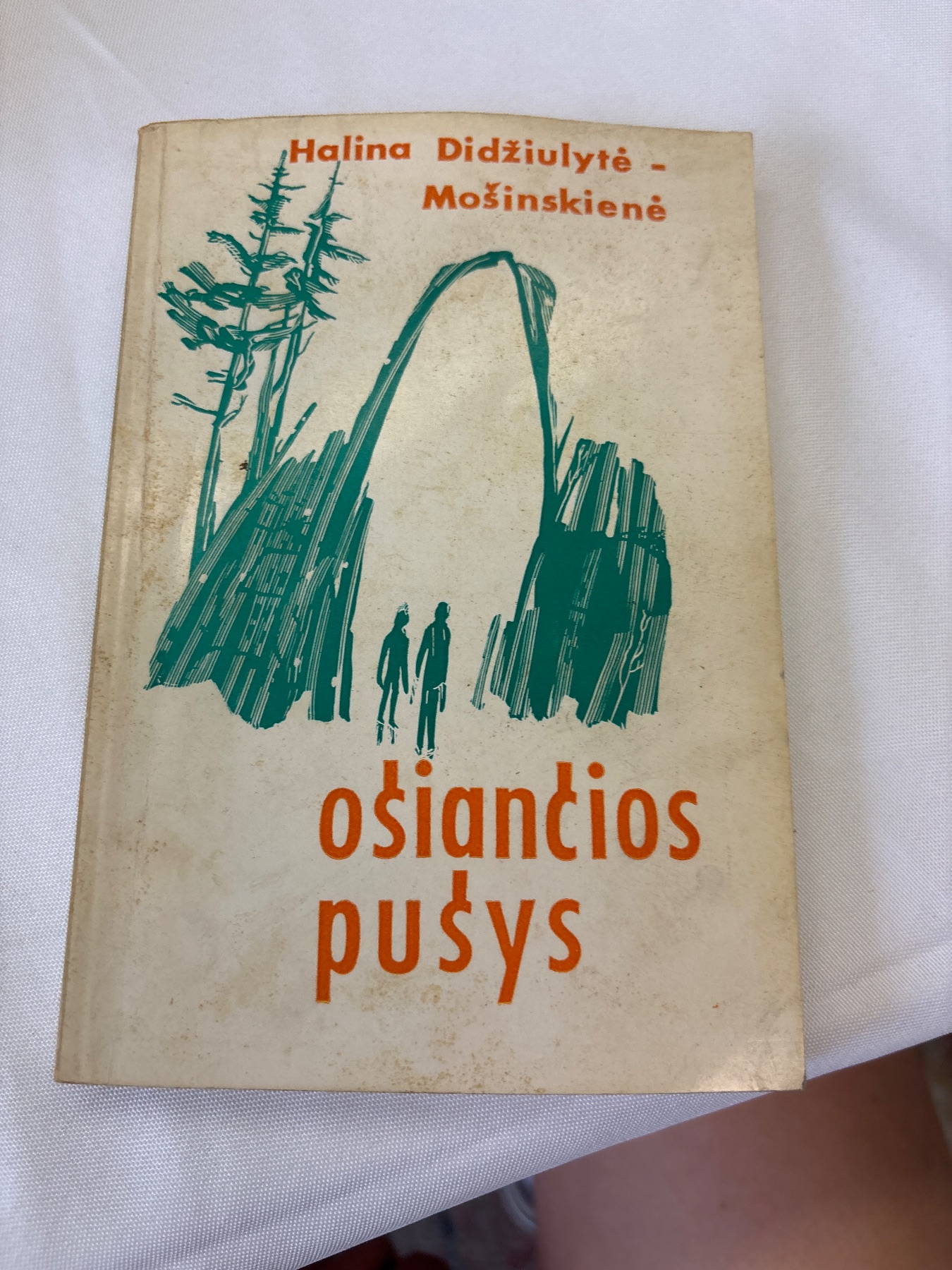
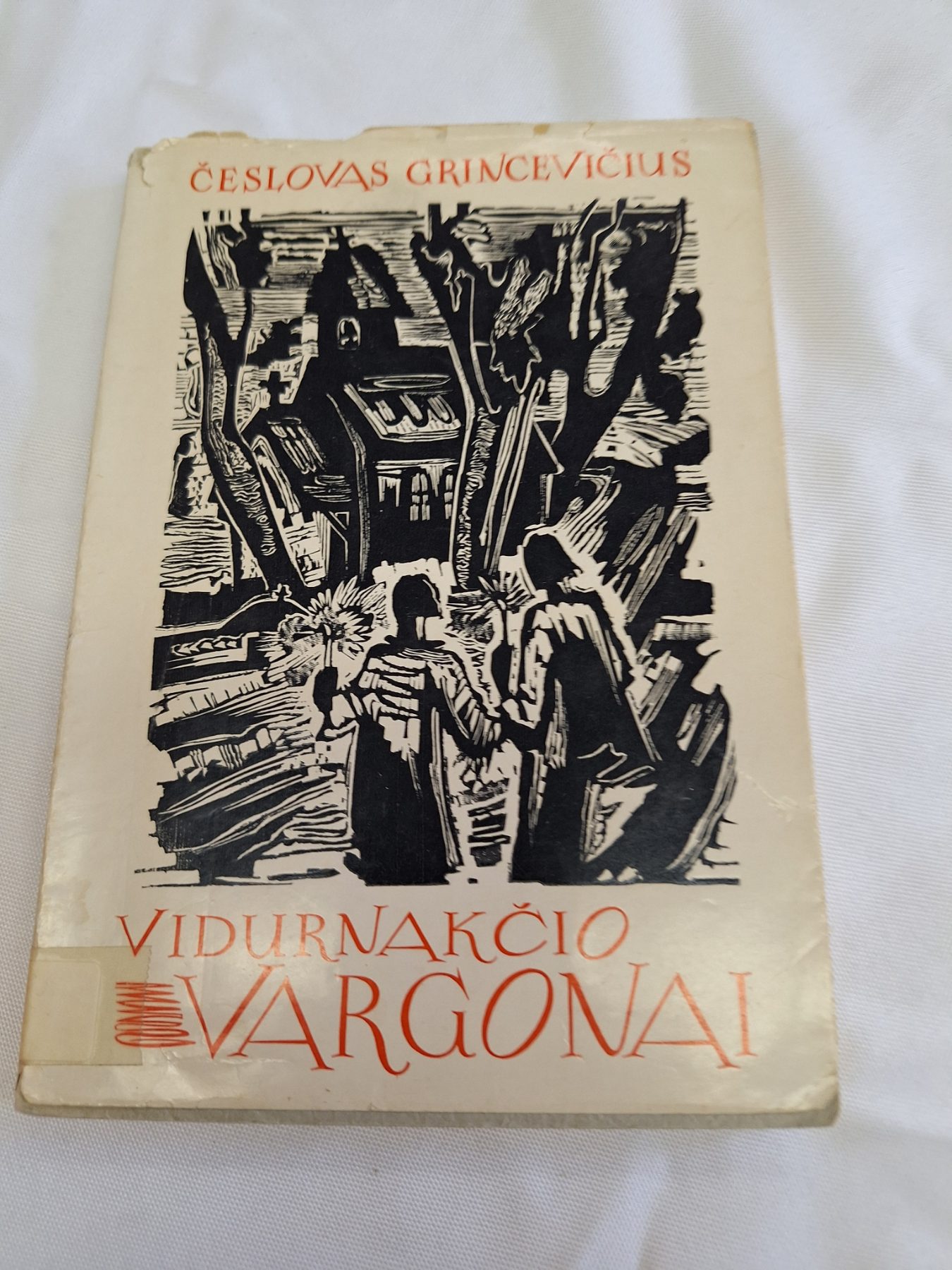
This landmark bilingual anthology gathers literary selections from sixty-four Lithuanian immigrant writers who continued to create in Lithuanian after fleeing Soviet and Nazi occupation, representing the fullest single-volume survey of diaspora Lithuanian literary culture published in the United States. Edited by scholar Alina Skrupskelis and co-published by the prestigious Lithuanian Library Press and Loyola University Press, it serves as both a canonical literary document and a monument to cultural survival under exile. With a foreword by Catholic intellectual Michael Novak and an introduction by leading Lithuanian literary scholar Rimvydas Šilbajoris, the anthology bridges American and Lithuanian intellectual traditions in a way no other publication has matched.
Context and significance
Significance
This anthology is a primary document of diaspora institutional infrastructure at its most sophisticated: the co-publication between Lithuanian Library Press and Loyola University Press represents a deliberate strategy to legitimize Lithuanian immigrant literary culture within both the ethnic community and mainstream American academic discourse. The funding page alone — listing individual families, the Lithuanian Foundation, and a state arts council — reveals a mature donor-supported cultural economy in which diaspora publishing was understood as an act of collective civic responsibility, not merely ethnic nostalgia. The breadth of the editorial and translation teams, spanning at least thirty named individuals with both Lithuanian and Anglophone surnames, demonstrates the second-generation's active participation in cultural transmission.
As a cultural survival mechanism, the anthology operates on multiple registers simultaneously. The foreword by Michael Novak — a prominent Slovak-American Catholic intellectual and policy thinker — frames Lithuanian literary persistence within a broader American multicultural argument, deliberately positioning the book for non-Lithuanian audiences. Novak's rhetoric of ethnic Americans as 'the nervous system of the planet' and 'antennae' connected to world events was a calculated appeal to American liberal pluralism, encoding the Lithuanian exile cause within the language of American democratic values rather than Cold War anticommunism alone.
The appendix listing over thirty Lithuanian diaspora publications across four continents (Germany, England, Argentina, the United States, Canada) constitutes an extraordinary bibliographic map of the entire diaspora publishing ecosystem as it existed through the 1970s — making this volume not merely an anthology but a meta-document of diaspora literary infrastructure, indispensable for any serious study of how stateless nations maintain cultural continuity through print.
How this record carried memory
Identity preservation, Continuity statement explicit, Pedagogical framing
Record connections
People, places, and institutions linked in the catalog