Kelionė
Introduction
Kelionė (The Journey) is a prize-winning Lithuanian-language novel by Algirdas Landsbergis, published in Chicago in 1954 by the Draugas Contributors' Club and printed at the Draugas press. Set against a vividly rendered postwar European landscape populated by displaced persons of many nationalities—Lithuanians, Germans, Russians, Armenians, and others—the novel follows protagonist Julius through a world of displacement, moral ambiguity, and survival. As one of the earliest major Lithuanian diaspora novels, it stands as a foundational literary document of the postwar Lithuanian émigré experience.
Community and publication context
Community and publication setting
Context and significance
Significance
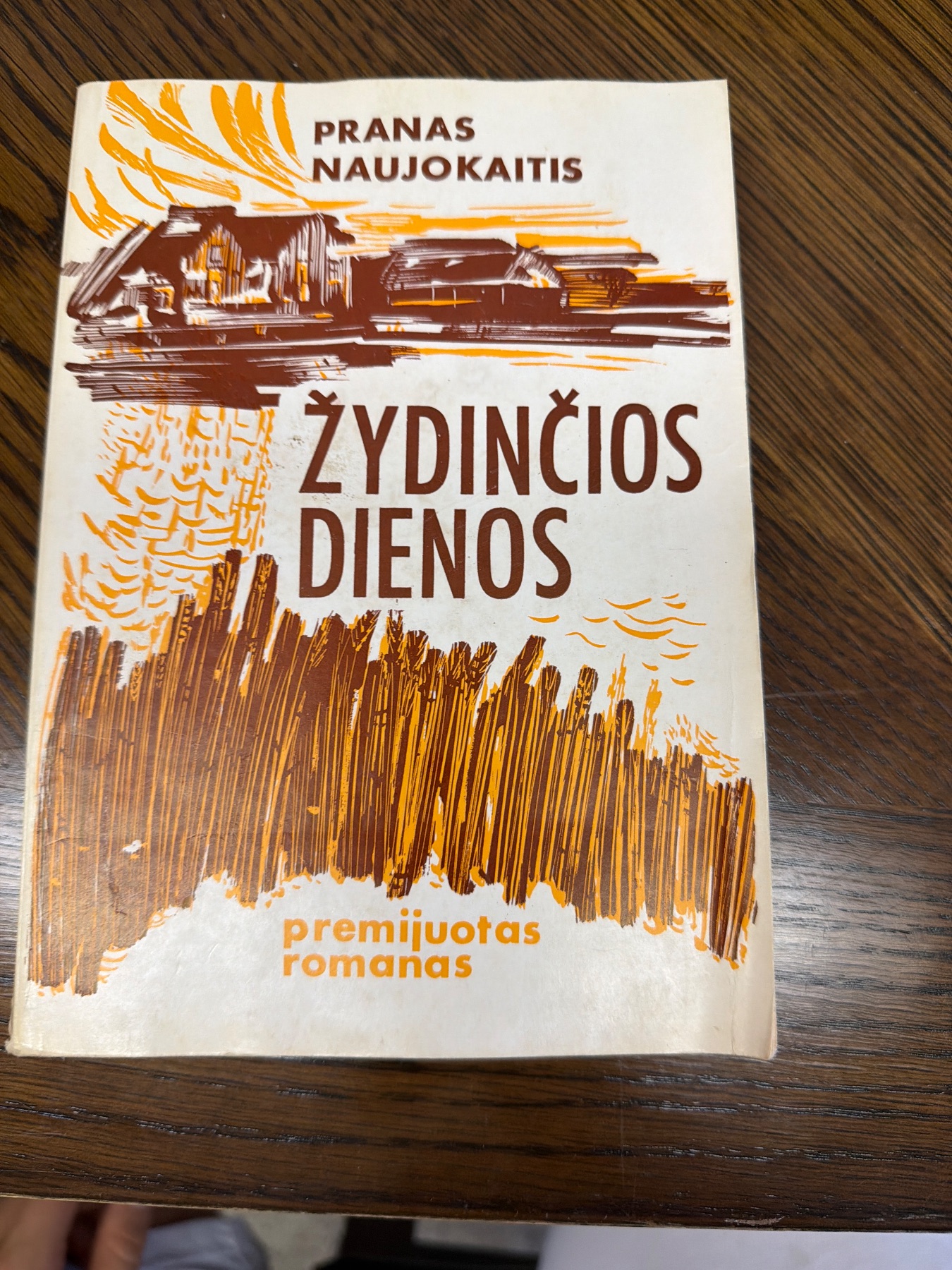
Kelionė represents a landmark in Lithuanian diaspora literature: it is among the first full-length Lithuanian novels written and published in exile, emerging from the postwar émigré community that had fled Soviet occupation and spent years in displaced persons camps. Algirdas Landsbergis—who would go on to become a significant playwright, scholar, and cultural figure in the Lithuanian diaspora and later in independent Lithuania—crafted a narrative that universalizes the DP experience by peopling it with characters of many nationalities while centering a Lithuanian protagonist's moral and existential journey. The novel's prize designation ('premijuotas romanas') signals that it was recognized by diaspora literary institutions as an achievement worth celebrating and distributing, affirming the émigré community's commitment to sustaining a living Lithuanian literary culture far from the homeland.
The book's production through the Draugas press in Chicago reflects the broader infrastructure of Lithuanian American civil society in the 1950s: a network of newspapers, presses, clubs, and cultural organizations that collectively maintained Lithuanian language, identity, and creative life across the Atlantic. For heritage communities today, Kelionė offers both a literary experience in Lithuanian and a historical window into the psychic and social world of postwar displacement—themes of rootlessness, solidarity, survival, and the search for meaning that remain deeply resonant across generations.
How this record carried memory
Diaspora literary publication: a prize-winning Lithuanian novel produced and distributed by the Lithuanian émigré press in Chicago, sustaining Lithuanian literary culture outside Soviet-occupied Lithuania and providing the diaspora community with original fiction in their native language.
Record connections
People, places, and institutions linked in the catalog