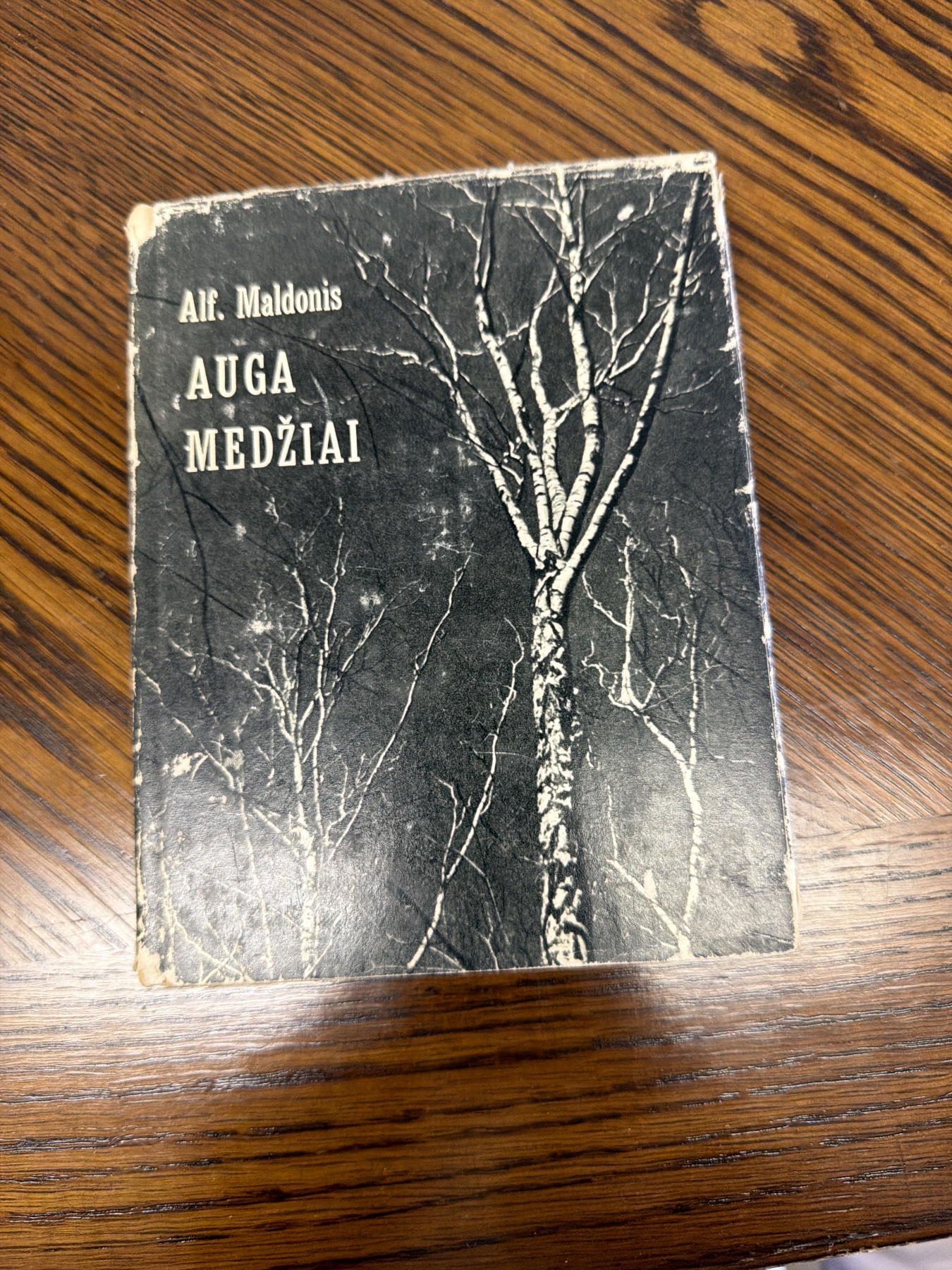
Iš Tylinčios Žemės
1966
Introduction
Iš Tylinčios Žemės (From the Silent Earth) is a 1966 collection of lyric poems by Vytautas Bložė, published in Vilnius. One of the significant voices of post-war Lithuanian poetry, Bložė renders the Lithuanian rural and natural landscape with spare, imagistic intensity, blending folk sensibility with modernist compression. This volume represents Lithuanian literary production under Soviet censorship conditions and offers a rare window into how poets navigated ideological constraint while preserving authentic lyric expression.
Community and publication context
Community and publication setting
Context and significance
Significance
Vytautas Bložė (1930–2016) is recognized as one of the major figures of twentieth-century Lithuanian poetry. Iš Tylinčios Žemės, published in 1966 during the Khrushchev thaw's literary aftermath, represents an early collection in which Bložė's distinctive voice—rooted in the Lithuanian countryside yet inflected with modernist sparseness—found its first sustained expression. The collection's title poem sequence, with its insistent refrain 'Iš tylinčios žemės' (from the silent earth), inscribes Lithuanian land and language as an inexhaustible source of meaning against the grain of Soviet cultural homogenization.
For Lithuanian diaspora communities such as those served by the Žiburio school, a Soviet-published volume by a major Lithuanian poet carries complex cultural valence: it is simultaneously evidence of Lithuanian literary vitality under occupation and a reminder of the conditions under which that vitality was constrained. The presence of this book in a Detroit Lithuanian heritage archive speaks to the ways diaspora communities tracked, collected, and preserved homeland literary production as part of sustaining Lithuanian identity across the Atlantic divide.
How this record carried memory
Publication of Lithuanian lyric poetry through state-sanctioned Soviet Lithuanian publishing infrastructure (Vaga, Vilnius), allowing the Lithuanian language and literary tradition to persist in print under ideological constraint. Bložė's use of rural landscape, folk imagery, and oblique references to faith represents a form of cultural encoding within permissible literary forms.
Record connections
People, places, and institutions linked in the catalog