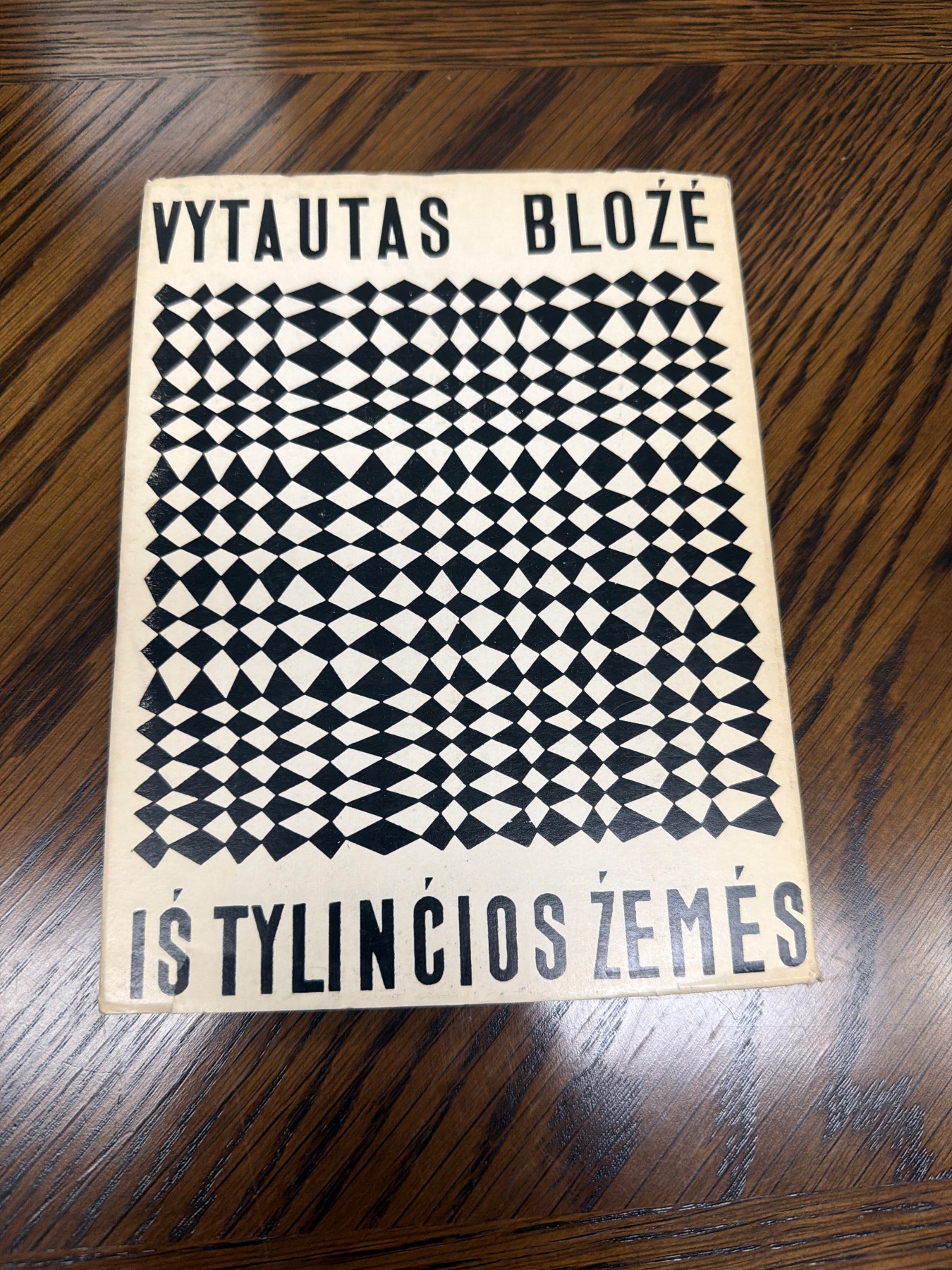
Auga Medžiai
1965
Introduction
Auga Medžiai (Trees Grow) is a collection of original Lithuanian poetry (eilėraščiai) by Alfonsas Maldonis, published in Vilnius in 1965. The volume gathers lyric poems dated between 1962 and 1965, exploring themes of nature, time, human solidarity, fear, war, and collective memory in spare, meditative verse. As a product of Soviet-era Lithuanian literary publishing, it offers a window into the expressive possibilities and constraints of mid-twentieth-century Lithuanian poetry under occupation.
Community and publication context
Community and publication setting
Context and significance
Significance
Alfonsas Maldonis (1929–2007) was one of the most significant Lithuanian lyric poets of the Soviet era, known for his ability to sustain humanistic and moral vision within the constraints of Soviet publishing. Auga Medžiai, published in 1965, represents an important node in mid-century Lithuanian literary history: poems dated 1962–1965 engage themes of natural cycles, human fragility, insomnia, fear, and — most strikingly in 'Galvokime' — the weight of war, camps, genocide, and collective moral responsibility. That such language appeared in a state-published Vilnius volume in 1964–1965 reflects the particular negotiated space Lithuanian poets occupied during the post-Stalinist thaw.
For the Lithuanian diaspora community in Detroit and beyond, a volume like this carries layered significance. It documents the vitality of Lithuanian literary culture inside Soviet Lithuania at a moment when diaspora communities feared cultural extinction at home. The presence of this book in the Žiburio archive suggests it traveled across the Iron Curtain — whether as a gift, personal import, or cultural exchange — and was preserved as evidence that Lithuanian literary life persisted. It serves as a bridge artifact between the homeland literary tradition and diaspora heritage maintenance.
How this record carried memory
Literary publication through state-controlled Soviet Lithuanian publisher (Vaga, Vilnius); poetry as a partially sheltered expressive form allowing indirect engagement with themes of suffering, memory, war, and collective responsibility within permissible aesthetic registers.
Record connections
People, places, and institutions linked in the catalog