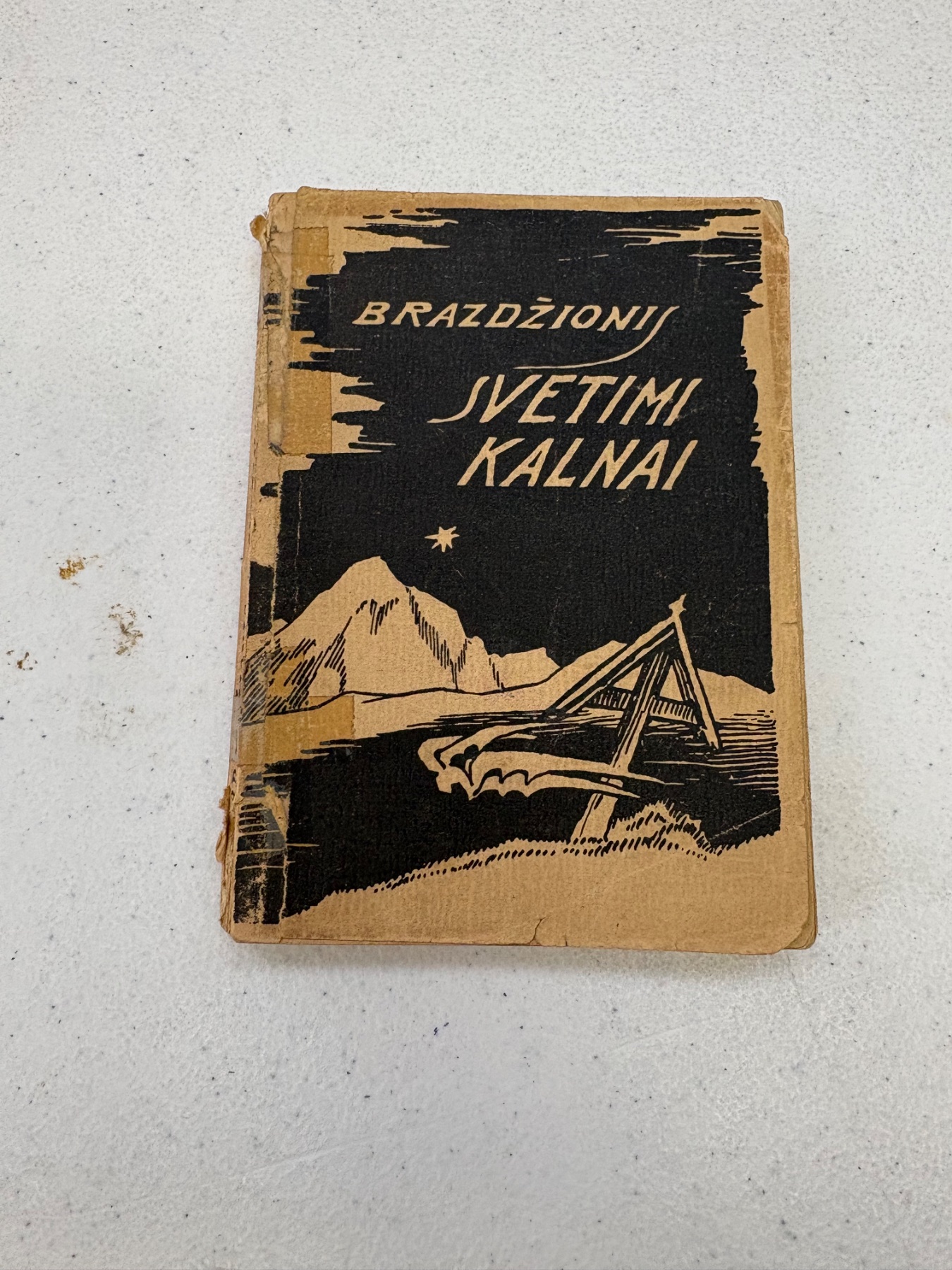
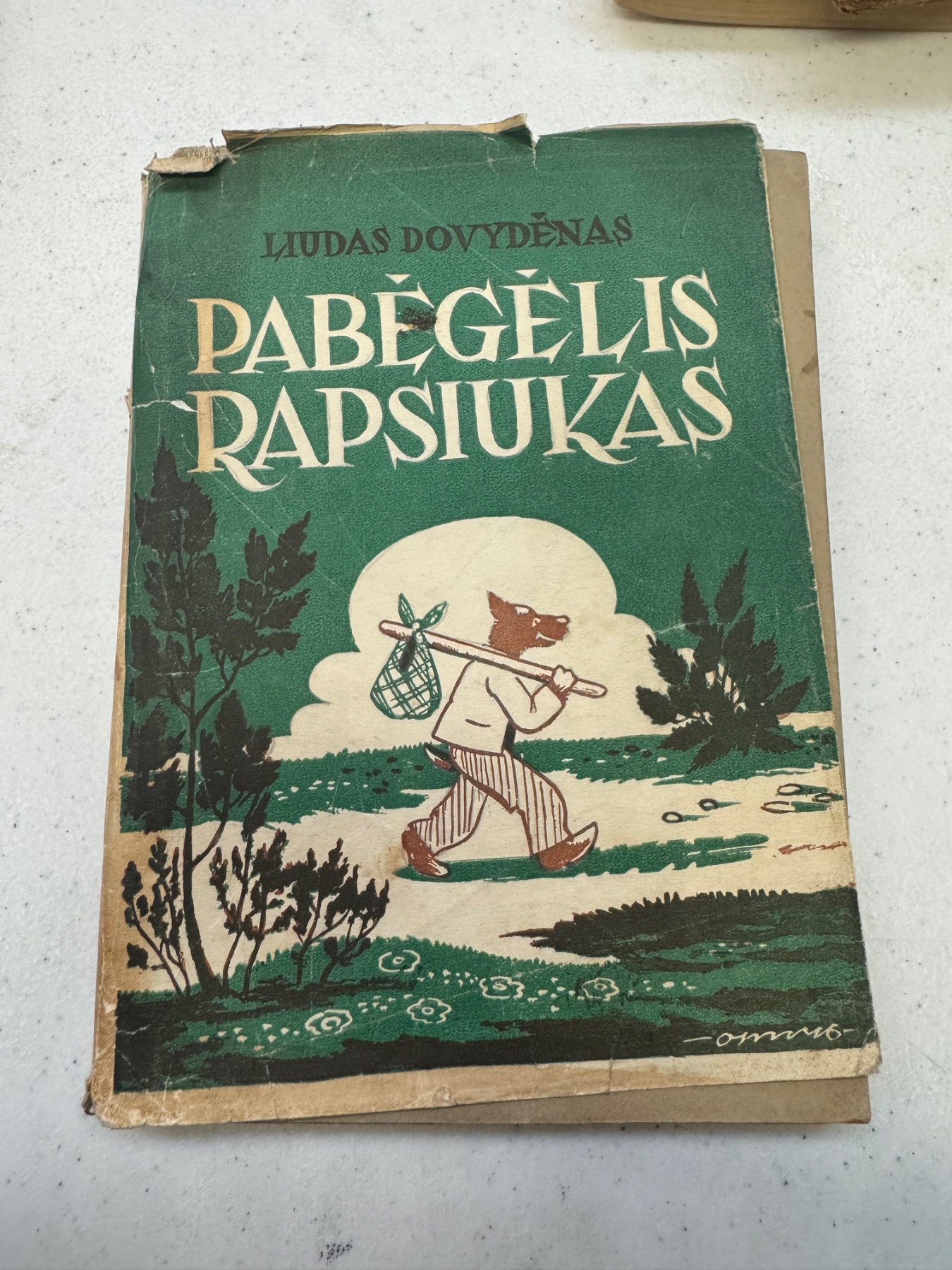
Cultural memory does not exist as a static collection of artifacts. It is a living system — continuously interpreted, transmitted, and reactivated across generations.
Within the Lithuanian diaspora, this system has taken form through multiple institutions and practices: schools, parishes, publications, community organizations, and personal collections. Together, they have sustained language, identity, and historical continuity outside the geographic boundaries of Lithuania.
Today, this system is undergoing a structural shift.
Cultural institutions are moving beyond preservation toward active interpretation. Educational programs are evolving from knowledge transfer to value formation. Diaspora networks are increasingly engaged in civic coordination shaped by historical experience.
These developments reveal a deeper reality: cultural memory operates across layers — not as isolated repositories, but as an interconnected system.