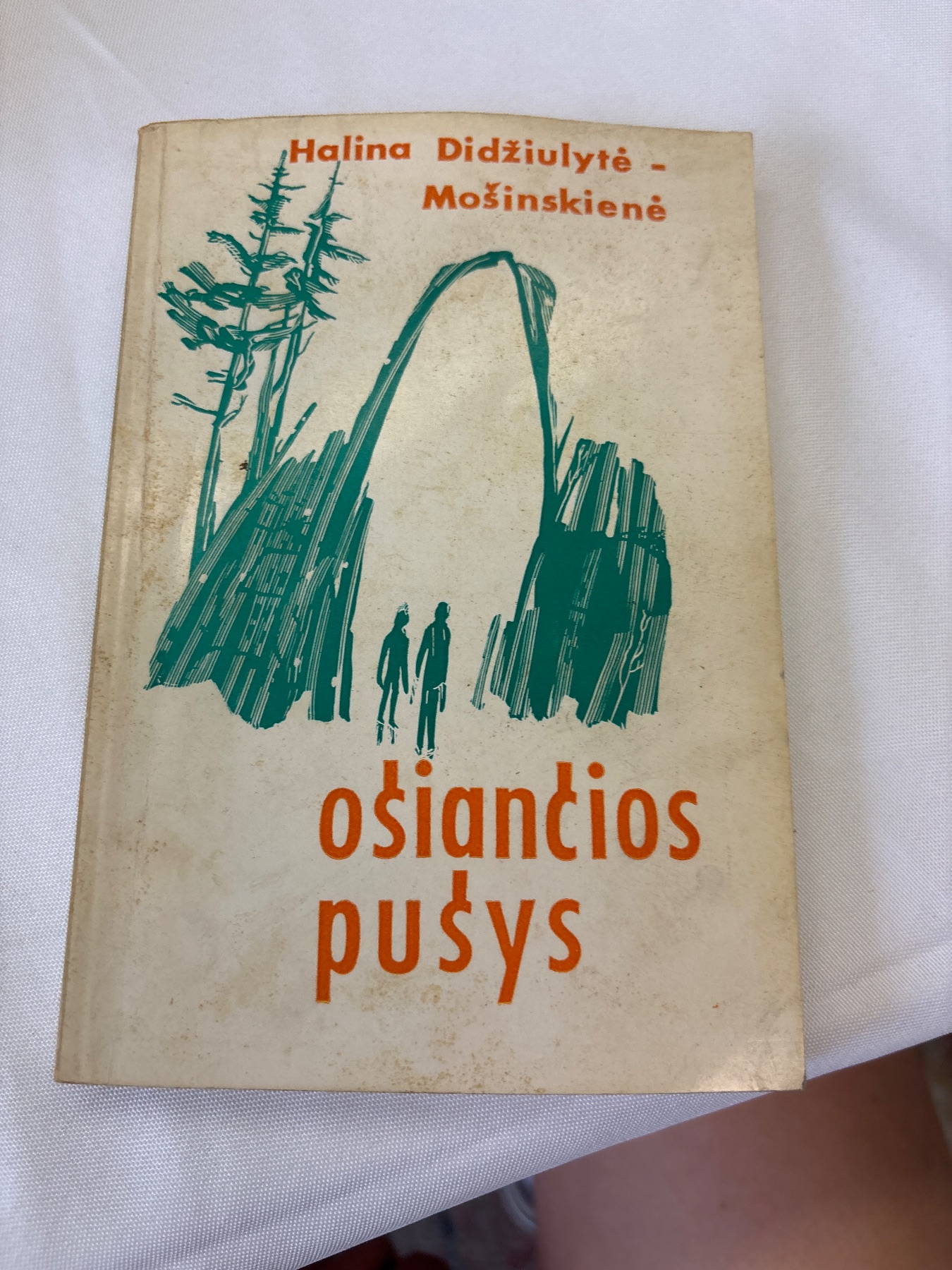
Žvaigždė Viršum Girios
1960
Historical and community context
Where this record belongs
Diaspora freedom
Context and significance
Significance
Žvaigždė Viršum Girios exemplifies the Lithuanian diaspora's strategic use of historical fiction to anchor collective identity at a moment when Lithuania itself was under Soviet occupation and inaccessible as a living cultural space. By setting the narrative in medieval Lithuania — at the intersection of paganism, early Christianity, and resistance to Teutonic crusaders — Alė Rūta created a novel that could simultaneously serve as entertainment, language preservation vehicle, and national mythology carrier for diaspora readers who had no access to Lithuanian-language schooling in state institutions. The Darbininkas press was not merely a publisher but an institutional pillar of the Catholic Lithuanian diaspora, and its decision to publish a 374-page historical novel signals the maturity and ambition of the diaspora literary ecosystem by 1960.
The novel's rich pagan and folk cultural content — Žiemos (Winter) personified, Žemyna (Earth goddess) offerings, collective ritual feasting, animistic forest spirits — represents an extraordinary preservation of pre-Christian Baltic cosmology within a Catholic-sponsored diaspora publication. This apparent tension (Catholic press publishing pagan content) resolves when understood as diaspora cultural logic: the Lithuanian Catholic community understood that linguistic and cultural survival required preserving the full range of Lithuanian heritage, including pre-Christian mythology, as a marker of ethnic distinctiveness from Soviet-dominated Lithuania and from assimilating American culture. The novel thus operated as a cultural ark.
How this record carried memory
Identity preservation, Continuity statement explicit, Pedagogical framing
Record connections
People, places, and institutions linked in the catalog