Skeveldros
Historical and community context
Where this record belongs
Allied authorization (DP) — published in Allied-occupied Bavaria in 1946 under conditions of relative press freedom for Lithuanian DP communities
Introduction
Skeveldros ('Splinters') is a 1946 poetry collection written and printed in a Bavarian displaced persons camp, capturing the raw anguish of Lithuanian exile in the immediate aftermath of the Soviet occupation. The title — meaning shards or splinters — perfectly encapsulates the shattered world of the Lithuanian DP experience: separation from homeland, grief for family members left behind, and fierce determination to remember. As one of the earliest Lithuanian poetry collections produced in the DP camp environment, this pamphlet represents the opening literary voice of the diaspora era.
Context and significance
Significance
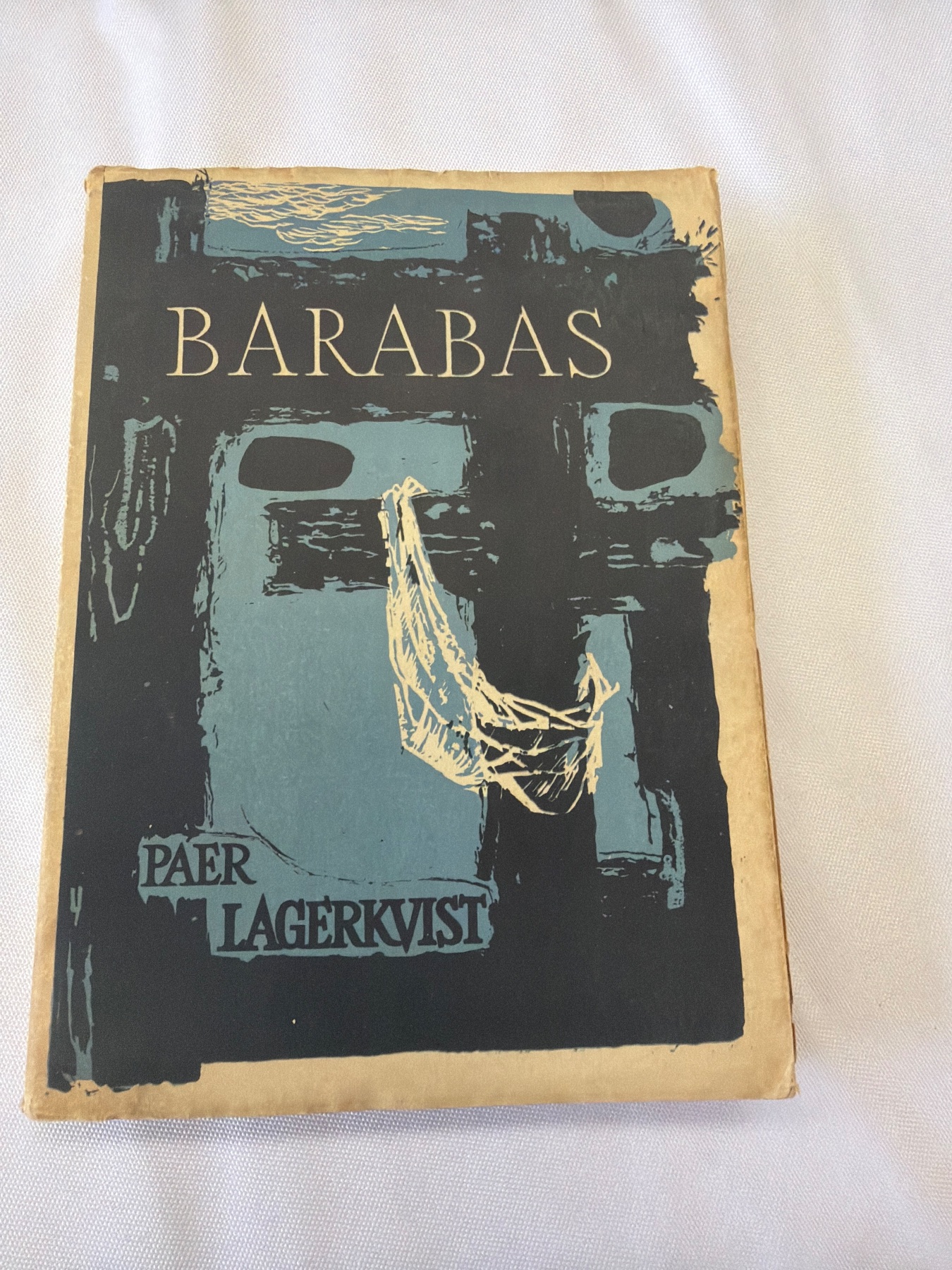
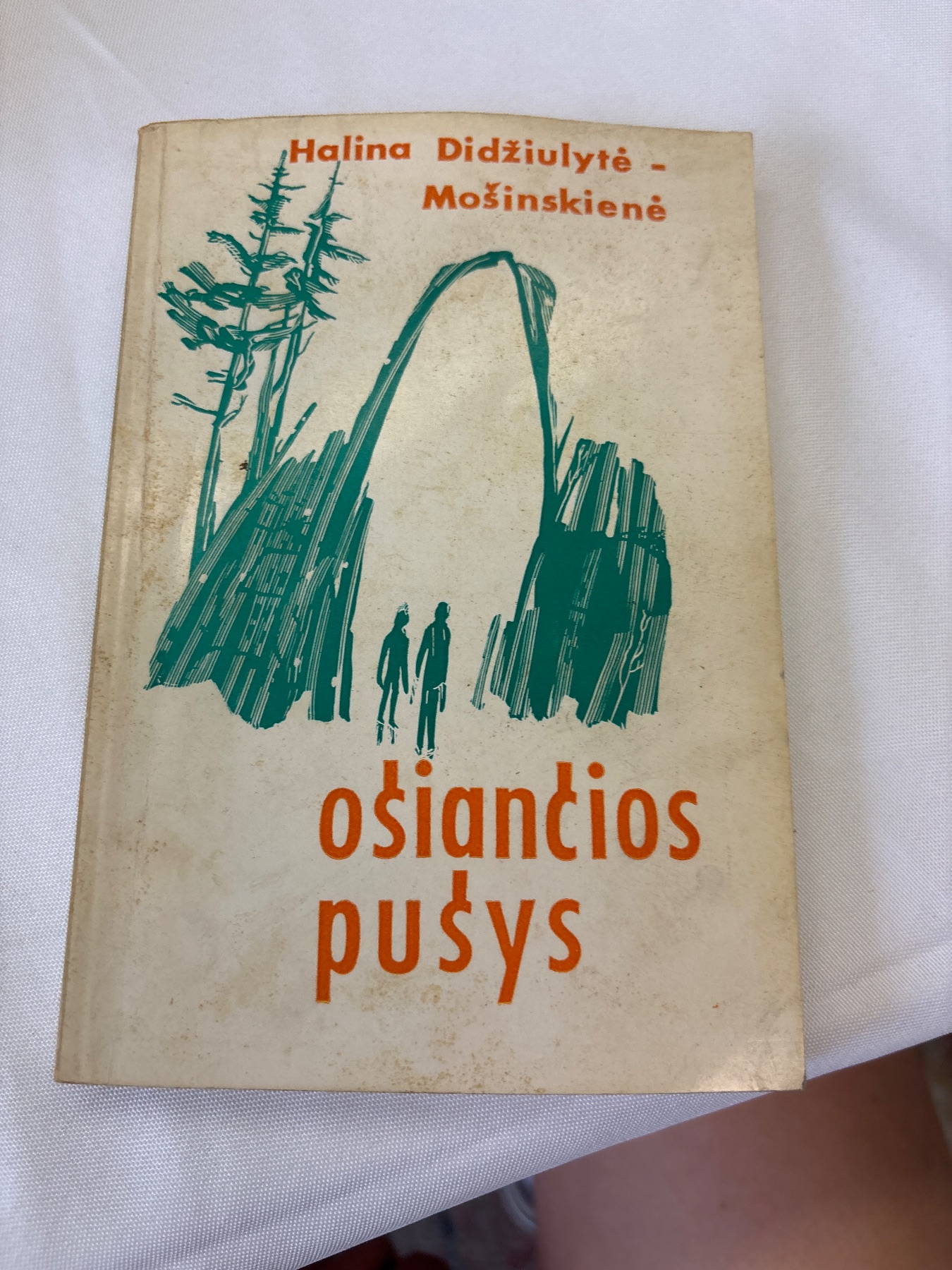
Skeveldros illuminates the extraordinary literary productivity of the Lithuanian DP camp environment in Bavaria, where displaced intellectuals and writers maintained cultural output under conditions of radical displacement. The very existence of a 103-page poetry collection — typeset, printed, and distributed in 1946 — demonstrates that Lithuanian diaspora institutional infrastructure began forming within months of the Soviet occupation, not years. The cover's bold typographic design, combining Gothic-influenced lettering with modernist vertical rules, shows that aesthetic ambition accompanied survival instinct: this was not refugee desperation printing but a deliberate act of cultural assertion.
The collection's thematic architecture reveals how cultural survival mechanisms operated in practice. The opening section ('Iš Kelionės' — From the Journey) documents the moment of departure with hallucinatory clarity — the elder sister at the copper-green gate, the birch forests receding, the uncertainty about whether family members are still alive. The injunction 'Neužmiršk' (Do Not Forget) functions as the collection's emotional spine: Lithuanian landscape, Catholic roadside shrines, the sound of skudučiai (panpipes), and the Baltic sunset become a mnemonic system designed to keep homeland alive in exile consciousness. The poem 'Propaganda' signals political sophistication — the poet is aware of ideological manipulation and names it.
For diaspora youth at institutions like Žiburio, this collection represents a direct line to the founding trauma of their community. The poems articulate what grandparents and great-grandparents felt in 1944-1946 with an immediacy that family oral tradition cannot always sustain. The blend of Lithuanian folk symbolism (rūtos, Perkūnas, Vytis), Catholic devotion, and acute political awareness models a form of Lithuanian identity that is simultaneously rooted, faithful, and critically engaged — precisely the formation that heritage schools seek to instill.
How this record carried memory
Identity preservation through lyric witness; explicit continuity statement ('Neužmiršk' — Do Not Forget); homeland landscape as mnemonic anchor; Catholic symbols (wayside crosses, ruta, chapel) as carriers of Lithuanian identity; the act of publishing poetry in a DP camp itself constitutes a declaration that Lithuanian culture survives occupation
Record connections
People, places, and institutions linked in the catalog