Varpai Skamba
1952
Historical and community context
Where this record belongs
Diaspora freedom
Introduction
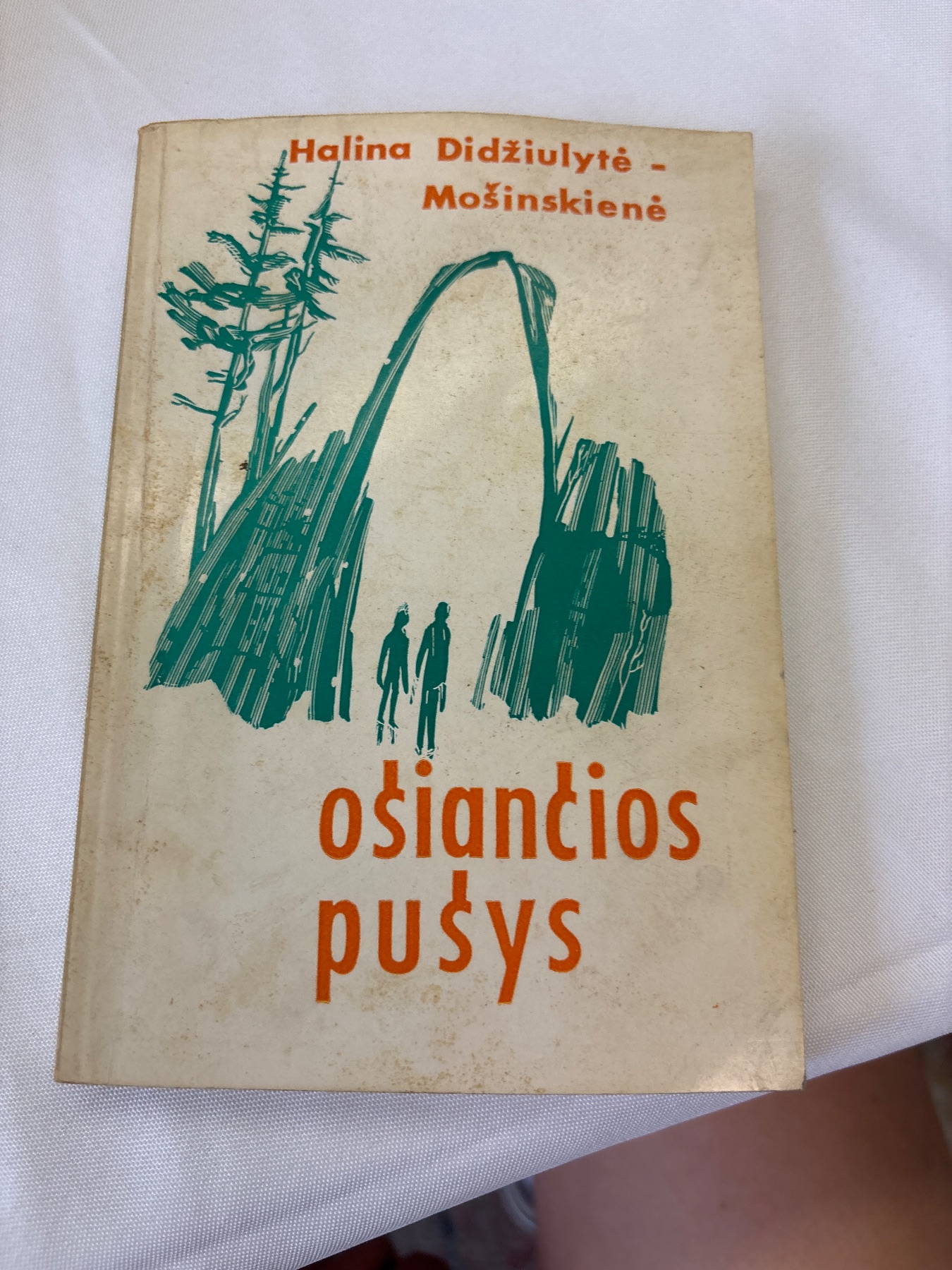
Varpai Skamba ('The Bells Are Ringing') is a Lithuanian diaspora novel published in Los Angeles in 1952 by Lietuvių Dienos, one of the most prominent Lithuanian-American cultural publishers of the postwar era. The novel, set in rural Lithuania and featuring richly rendered village life, church rituals, and the coming-of-age of a boy named Rapoliukas, represents high-quality Lithuanian literary fiction produced in exile at the height of the early diaspora period. With a print run of 2,200 copies and cover art by artist P. Puzinas, it exemplifies the cultural ambition and institutional capacity of the Los Angeles Lithuanian community in the early 1950s.
Context and significance
Significance
Varpai Skamba exemplifies the remarkable institutional capacity of the early Los Angeles Lithuanian diaspora to sustain literary production at a professional level just years after the mass displacement of 1944-1949. Lietuvių Dienos functioned not merely as a periodical but as a full cultural institution capable of commissioning original cover artwork, engaging a printer (Bonnie Press), and distributing a novel with a 2,200-copy print run — a substantial figure for a diaspora community of perhaps 20,000-30,000 Lithuanian-Americans at that time. This speaks to the organizational density and cultural seriousness of the community.
The novel's setting in rural Lithuania — with scenes of funeral processions, church bells, village relationships between a boy and a priest — performs a critical act of cultural memory and preservation. Published while Lithuania remained under Soviet occupation, the book insists on the continued existence and worth of a Lithuanian lifeworld that Soviet reality was actively suppressing. The bells of the title function as a multi-layered symbol: church bells mark the Catholic rhythm of Lithuanian village life, they call communities together, and they persist as a sonic memory for exiles who may never hear them again.
The presence of this book in the Žiburio school collection in Detroit underscores how diaspora literary fiction circulated through Lithuanian Saturday schools as both reading material and cultural formation objects. Students and teachers encountering this novel were not simply reading literature — they were participating in a distributed act of cultural resistance, keeping alive a version of Lithuania in language, setting, and sensibility that the Soviet state was actively trying to erase.
How this record carried memory
Identity preservation, Religion as language vessel, Continuity statement explicit
Record connections
People, places, and institutions linked in the catalog