Aušros Žvaigždė
1954
Historical and community context
Where this record belongs
unknown
Introduction
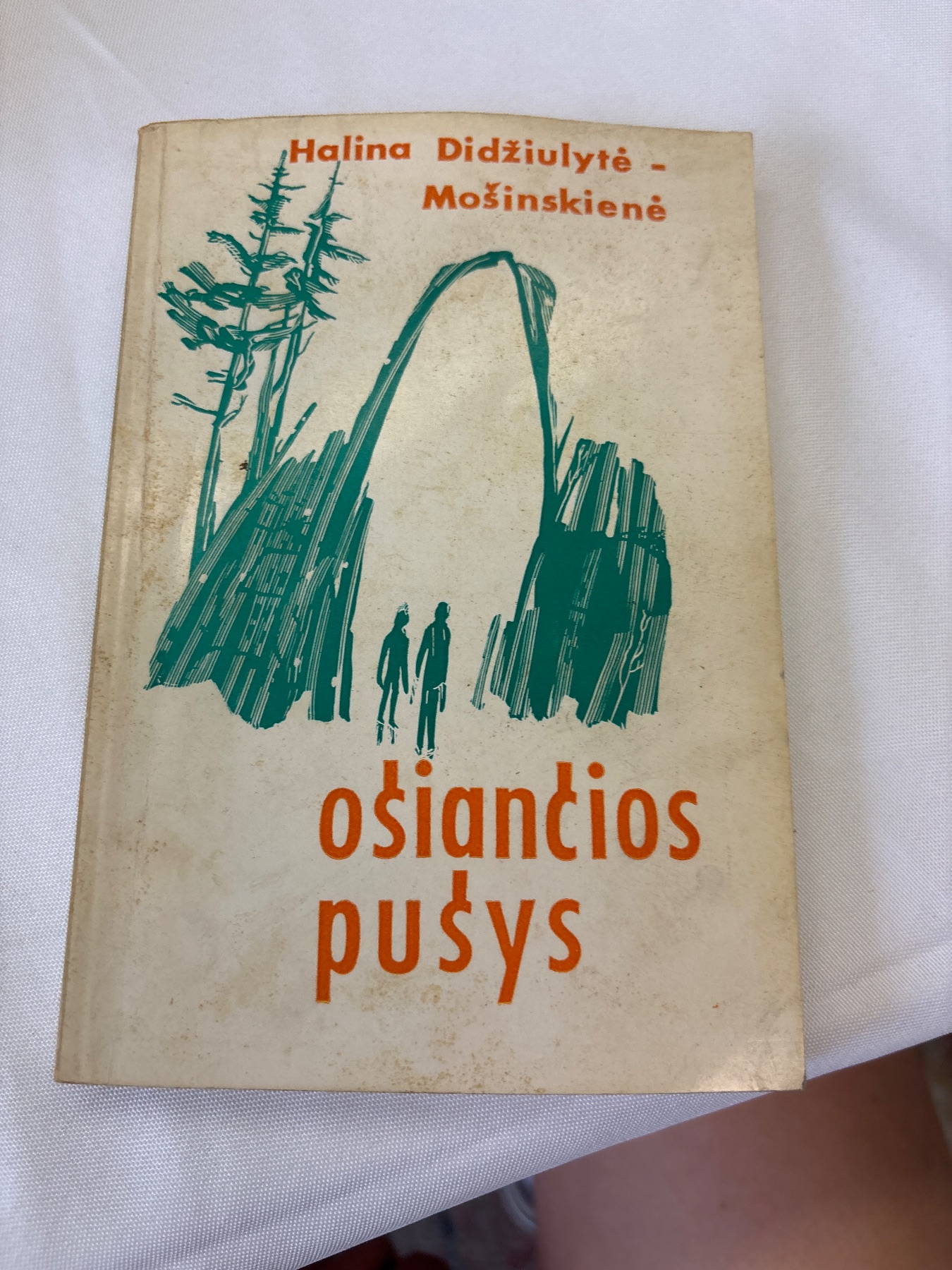
Aušros Žvaigždė is a remarkable 1954 Lithuanian-language anthology of Marian poetry translated from the great poets of Western civilization — Dante, Petrarch, Shakespeare, Goethe, Verlaine, and many others — compiled by the poet-priest pseudonym 'Tyruolis' and printed in Rome with a print run of only 700 copies. Published at the height of the Cold War diaspora, this booklet represents a sophisticated act of cultural and spiritual preservation: Lithuanian exiles reaching back to the European literary canon to anchor their Catholic identity in exile. Its cover art by V. Aleksandravičius and Roman printing provenance make it a unique artifact of the Lithuanian diaspora's cosmopolitan intellectual life.
Context and significance
Significance
Aušros Žvaigždė exemplifies a distinctive strand of Lithuanian diaspora cultural production: the use of Catholic Marian devotion as a vehicle for transmitting the highest registers of Lithuanian literary language and European humanist heritage simultaneously. By translating Dante, Shakespeare, Goethe, Verlaine, and others into polished Lithuanian verse, the compiler 'Tyruolis' (priest Jonas Vaitekūnas) was doing something far more sophisticated than producing a prayer book — he was asserting that Lithuanian belonged among the languages of European civilization, capable of rendering its greatest spiritual poetry. Published in Rome, the symbolic center of Catholic authority, the booklet carried both spiritual and geopolitical weight: Lithuanian exile culture was European, Catholic, and literary, not reducible to Soviet provincial identity.
The diaspora infrastructure visible here is telling: a Lithuanian priest in Rome, a Lithuanian artist (V. Aleksandravičius) designing the cover, an Italian printer (Fausto Failli), and a network of Lithuanian communities in the West capable of absorbing 700 copies. This represents the transnational web of early Cold War Lithuanian exile culture — Rome as spiritual-intellectual hub, North America as demographic center, Western Europe as connective tissue. The booklet's structure, moving from Dante (1265) through Verlaine (1844-1896) and beyond, frames Lithuanian Catholic identity as the inheritor of a millennium of European Marian devotion.
How this record carried memory
Religion as language vessel, Faith framed as heritage, Identity preservation
Record connections
People, places, and institutions linked in the catalog