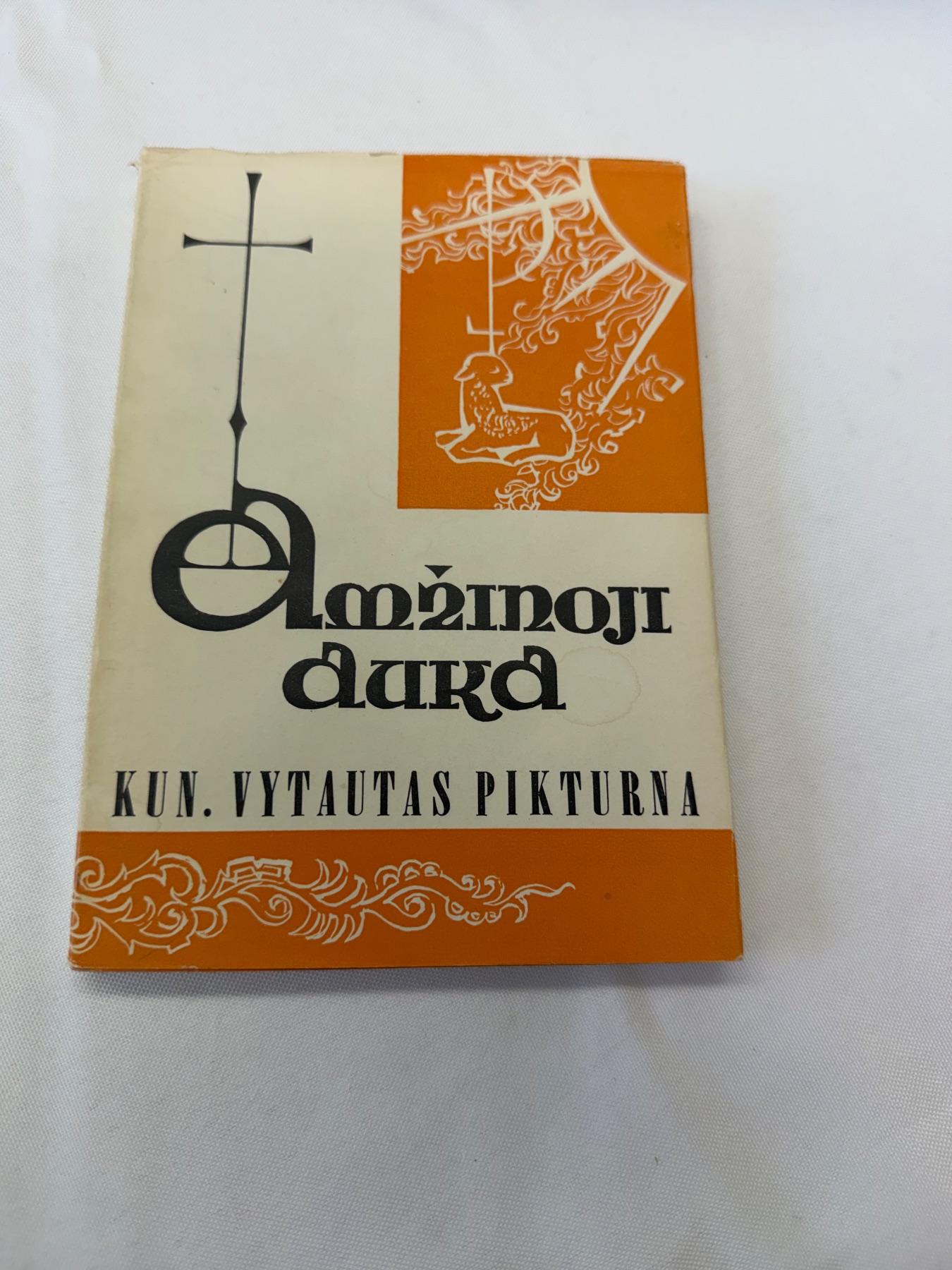
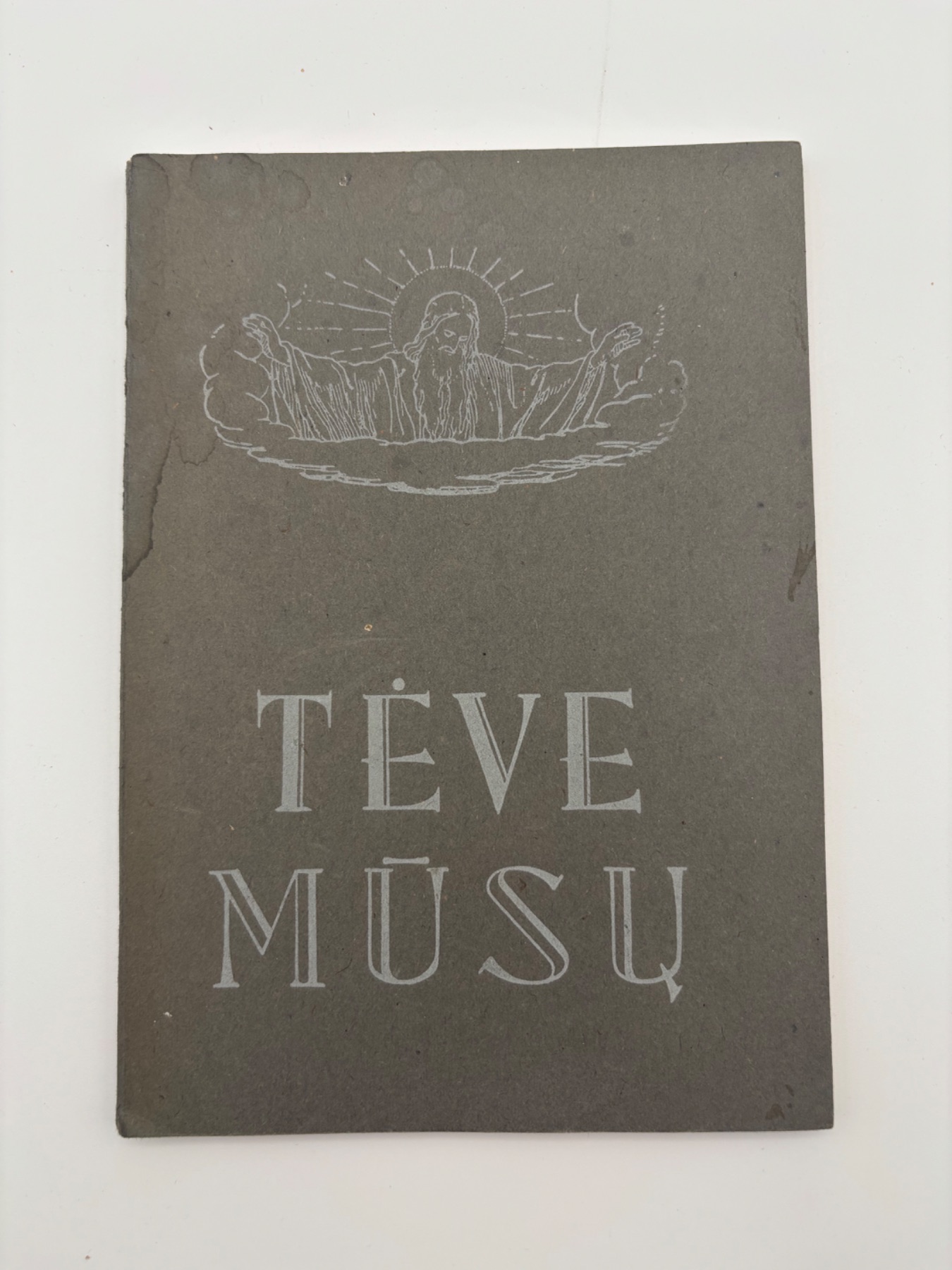
Lietuvos R. Katalikų Episkopato Direktyvos Katalikams kaikuriais viešojo gyvenimo klausimais
Lietuvos Romos Katalikų Episkopatas (Lithuanian Roman Catholic Episcopate); Imprimatur signed by Archbishop Joseph J. Skvireckas, Archieppus Metropolitanus Kaunensis
1952
Historical and community context
Where this record belongs
Diaspora freedom
Introduction
This is an official 1952 pastoral directive issued by the Lithuanian Roman Catholic Episcopate in Roman exile, published in Rome with full Imprimatur authority from Archbishop Skvireckas, addressing Catholics on twelve domains of public life including religion in the state, marriage, education, property, labor, and international relations. It represents the Lithuanian Catholic Church's authoritative voice operating outside Soviet-occupied Lithuania, asserting canonical and moral guidance to a diaspora community navigating life under foreign occupation and in displacement. As one of only 1,500 copies printed and distributed across the global Lithuanian diaspora, it is an extraordinarily rare document of institutional religious leadership functioning in exile.
Context and significance
Significance
This publication is a remarkable artifact of what might be called 'institutional continuity in exile' — the Lithuanian Catholic Episcopate, deprived of its physical territory and canonical jurisdiction by Soviet occupation, nevertheless continued to exercise moral and doctrinal authority over the diaspora through publications exactly like this one. Published in Rome with full papal-adjacent authority (Imprimatur from the exiled Metropolitan of Kaunas), printed by an Italian press, and distributed across the diaspora with a print run of 1,500, this pamphlet demonstrates the sophisticated infrastructure the Lithuanian Catholic diaspora maintained: a functioning episcopate, publishing relationships, distribution networks, and a reading community capable of engaging with dense social-Catholic doctrine in literary Lithuanian.
The twelve chapters of directives reveal the full scope of what the exiled Church considered its legitimate domain: not merely liturgy and sacraments, but marriage law, youth education, property rights, labor relations, social welfare, state governance, and international relations. This breadth reflects the interwar Lithuanian Catholic model of integral Catholicism — the Church as total institution encompassing all dimensions of public life — being transplanted into diaspora conditions. The heavy citation of Leo XIII's Rerum Novarum and Pius XI's Quadragesimo Anno and Divini Illius Magistri situates Lithuanian Catholic diaspora thought within mainstream Vatican social teaching, while the specific applications address Lithuanian realities: Soviet occupation, the status of Catholic schools, and the rights of a nation under foreign domination.
How this record carried memory
Faith framed as heritage; Continuity statement explicit; Identity preservation; Religion as language vessel — the Episcopate uses canonical authority to assert the continuity of Lithuanian Catholic institutional life despite Soviet occupation, framing moral and civic directives as emanating from a legitimate, unbroken ecclesiastical authority
Record connections
People, places, and institutions linked in the catalog