Tolimi keliai
1958
Historical and community context
Where this record belongs
Soviet censorship
Introduction
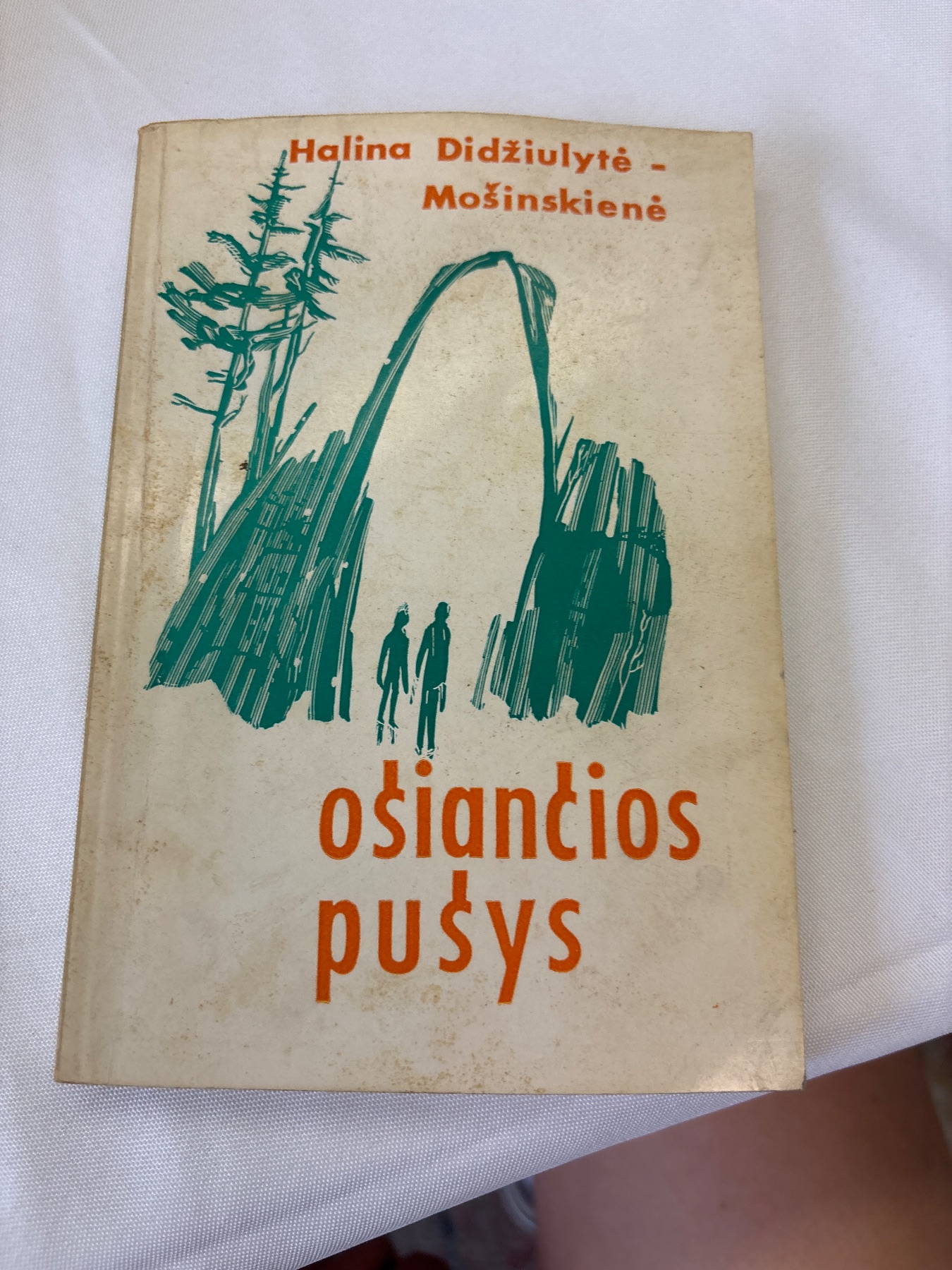
Tolimi keliai (Distant Roads) is a Soviet-era Lithuanian apysaka (novella/novel) published in 1958 by the State Fiction Literature Publishing House in Vilnius, depicting wartime and postwar Lithuanian rural life through the lens of sanctioned Soviet narrative. The text is notable for its rich landscape prose rooted in the Dzūkija region — Merkinė, Ilgio ežeras, Rivašiūnai — providing dense geographical and ethnographic grounding that transcends its ideological framing. As a product of the Soviet Lithuanian literary apparatus at the height of the Thaw period, it documents the linguistic register, narrative conventions, and ideological pressures shaping Lithuanian prose in the late 1950s.
Context and significance
Significance
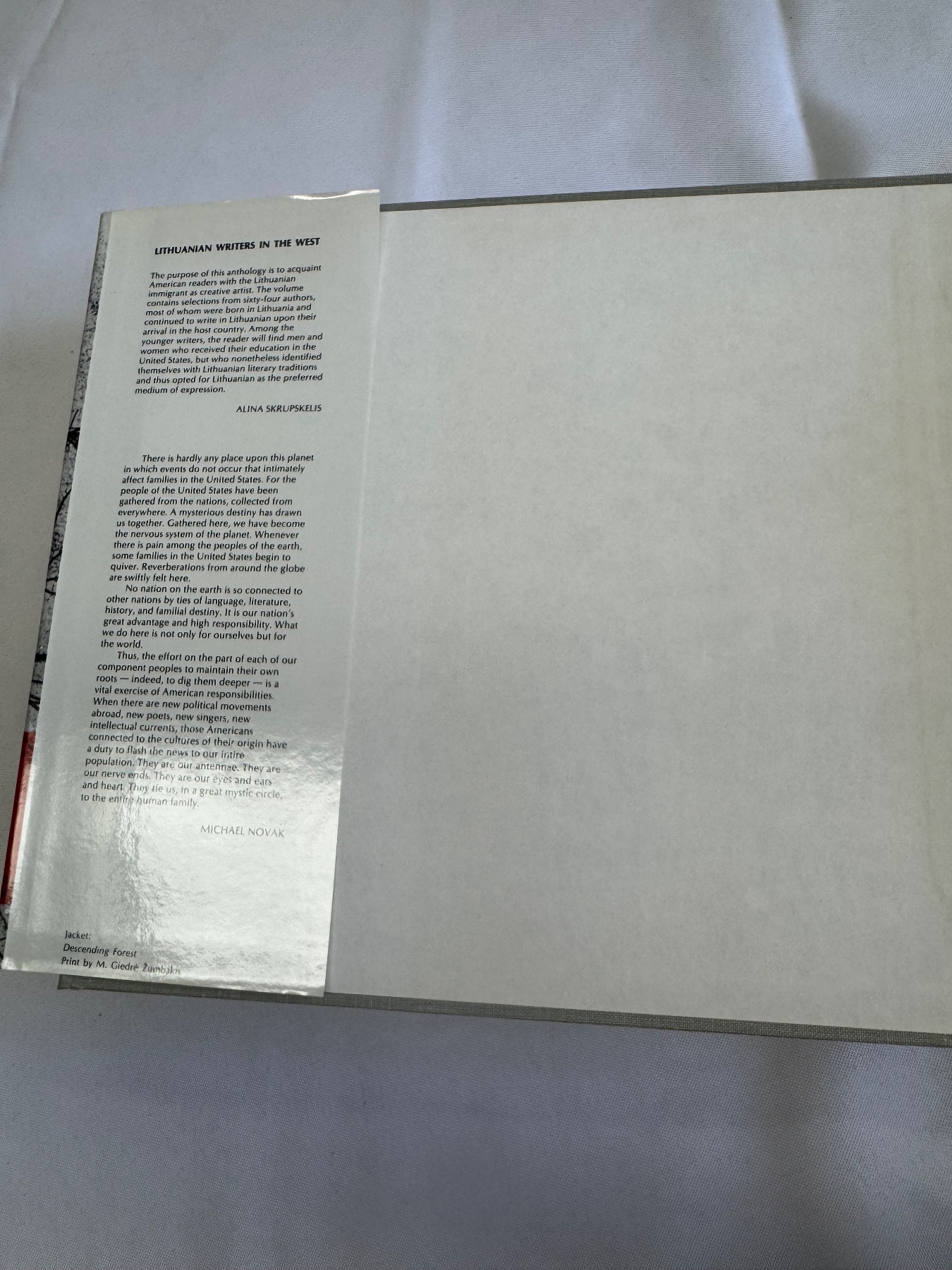
This publication represents a fascinating artifact of the Soviet Lithuanian literary apparatus operating under the constraints of socialist realism while simultaneously preserving — sometimes inadvertently — rich layers of authentic Lithuanian cultural geography, rural vocabulary, and landscape phenomenology. The opening chapters' meticulous evocation of the Dzūkija region (Rivašiūnai, Ilgio ežeras, Merkinė) with its folk legends, seasonal rhythms, and material culture constitutes a form of cultural memory work that operates beneath and despite the ideological superstructure the narrative eventually demands. The presence of this Soviet-published volume in a Detroit diaspora school collection raises compelling questions about how Lithuanian Americans navigated, rejected, or selectively appropriated mainland Lithuanian cultural production during the occupation period.
The diaspora community's relationship to Soviet Lithuanian literature was complex and contested: official diaspora institutions generally rejected Soviet publications as ideologically compromised, yet individual community members maintained private connections to mainland literary culture, and some educators recognized the linguistic value of contemporary standard Lithuanian prose even when its political content was unacceptable. The fact that this volume reached Detroit suggests one such pathway — whether through personal networks, post-1990 donation, or deliberate acquisition for comparative linguistic purposes. The 'Dainavos' partisan unit referenced in the text would have carried particular resonance for Lithuanian Americans who remembered or participated in actual resistance movements, here being reframed within Soviet heroic narrative.
How this record carried memory
Continuity statement explicit, Identity preservation
Record connections
People, places, and institutions linked in the catalog