Kristaus Kančia
Historical and community context
Where this record belongs
Diaspora freedom
Introduction
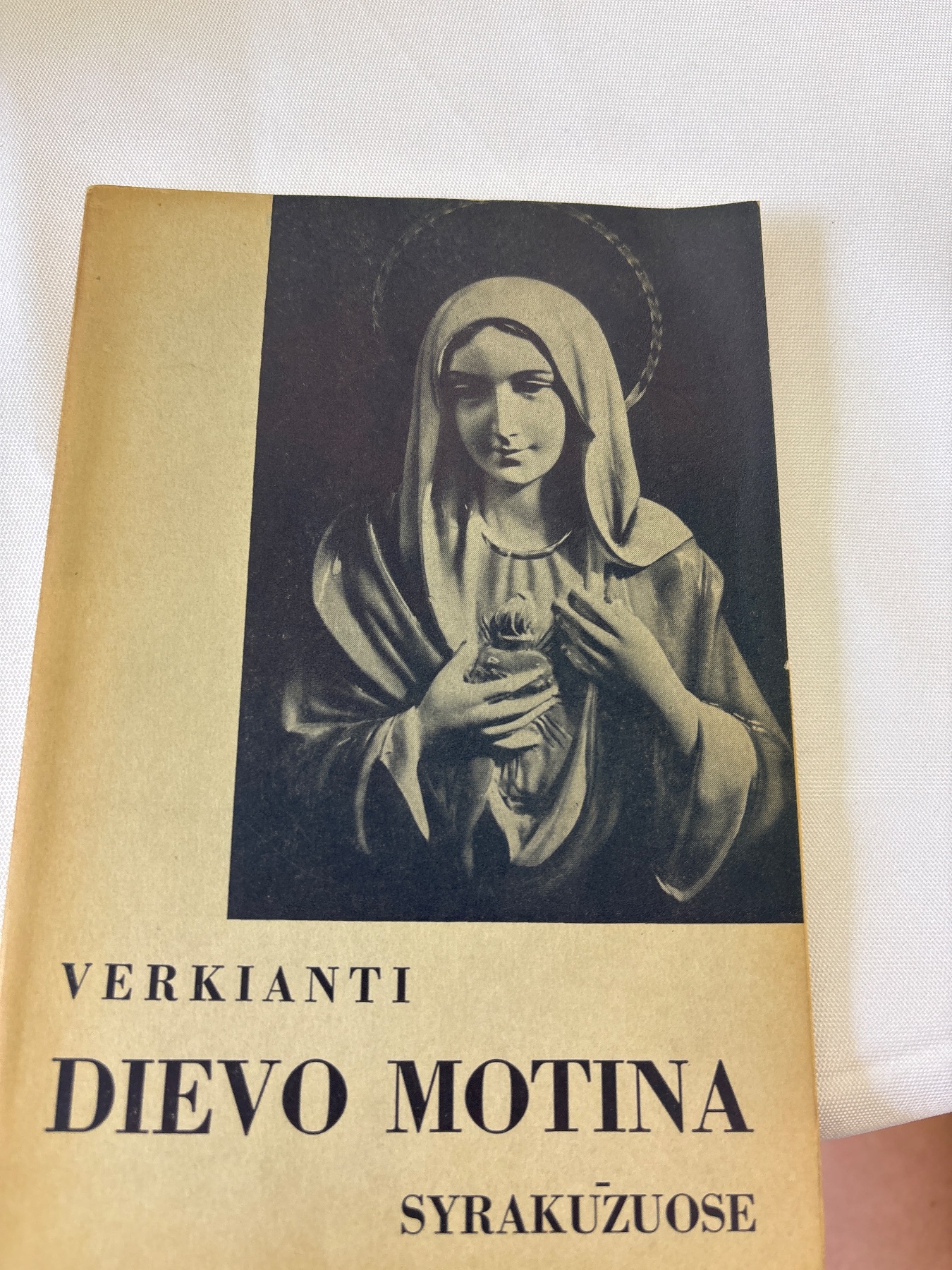
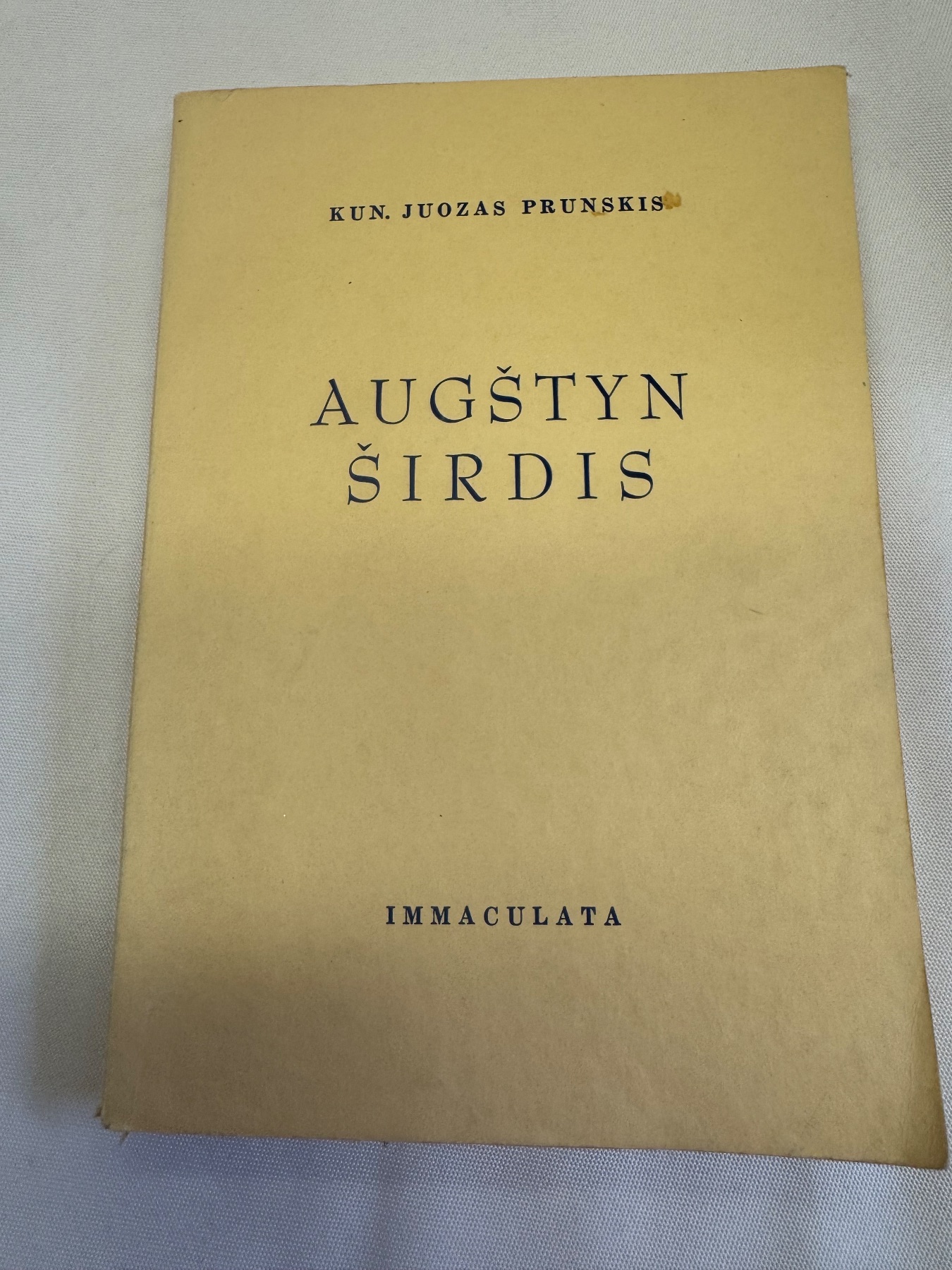
Kristaus Kančia is a Lithuanian diaspora translation of the internationally renowned Passion narrative derived from the mystical visions of Blessed Anne Catherine Emmerich, transcribed by Clemens Brentano and translated into Lithuanian by J. Talmantas. Published in Chicago in 1959 by the Lietuvių Katalikų Spaudos Draugija with full ecclesiastical imprimatur from the Archbishop of Chicago, this volume represents the devotional heartbeat of the Lithuanian Catholic diaspora community — a community that used faith as its primary mechanism of cultural survival during Soviet occupation of the homeland. The book's 349+ pages of richly descriptive religious prose constitute a significant corpus of formal Lithuanian devotional language from the early diaspora era.
Context and significance
Significance
This volume is a direct artifact of the Lithuanian Catholic institutional network that formed the backbone of diaspora cultural life in mid-century Chicago. The Lietuvių Katalikų Spaudos Draugija and the Marian Fathers (MIC) — a Lithuanian-rooted religious order — collaborated to produce major devotional literature that kept Lithuanian language and Catholic identity intertwined during the decades when Soviet occupation made such publication impossible in the homeland. The imprimatur chain reveals the full scope of this institutional infrastructure: Lithuanian Marian priests serving as censors, a Lithuanian Provincial Superior granting permission, and the Archbishop of Chicago authorizing publication, demonstrating that the diaspora had achieved genuine ecclesiastical standing within American Catholic structures.
The choice to translate and publish Emmerich/Brentano's Passion narrative is itself a culturally significant act. This text — enormously popular in European Catholic devotional culture — was being made available to Lithuanian readers who could no longer access religious publishing in Soviet-controlled Lithuania. By investing in a 350-page translation from the fifth edition (indicating the diaspora tracked European scholarly publication), the community signaled its commitment to maintaining not just basic religious practice but the full depth of Catholic intellectual and devotional culture in Lithuanian.
The Draugas printing house connection is particularly significant: Draugas (meaning 'Friend' or 'Comrade' in a patriotic Lithuanian sense) was the central Lithuanian-language daily newspaper in America, and its press served as the material infrastructure for a wide range of diaspora publications. The physical production of this book — its quality typography, chapter structure, table of contents extending to chapter XXV — reflects the mature publishing capabilities the diaspora had developed by 1959, representing a community that had moved beyond survival mode into genuine cultural institution-building.
How this record carried memory
Religion as language vessel; Faith framed as heritage; Identity preservation; Continuity statement explicit — the publication of a major devotional text in Lithuanian during Soviet occupation of Lithuania served to maintain the language's sacred register and keep Lithuanian Catholic identity alive in diaspora communities
Record connections
People, places, and institutions linked in the catalog