Miestelis, Kuris Buvo Mano
Historical and community context
Where this record belongs
Diaspora freedom
Introduction
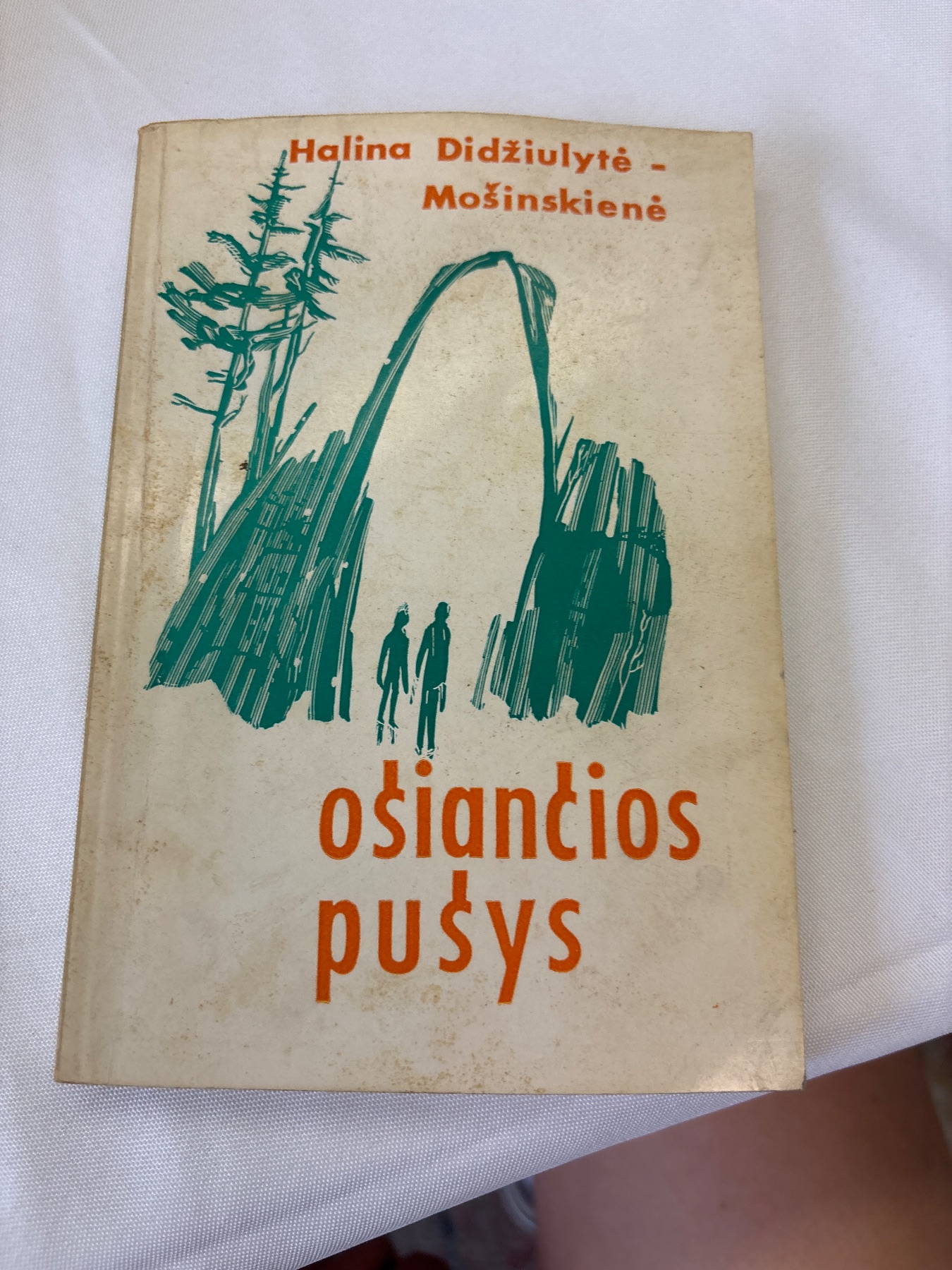
A prize-winning collection of short stories by one of the most distinguished Lithuanian diaspora writers, Nelė Mazalaitė, winner of the 1965 Aidai Literary Prize. Published by the Franciscan-backed Darbininkas press in Brooklyn, this volume represents the mature flowering of diaspora Lithuanian prose — lyrical, rooted in rural Lithuanian life and memory, written for a community clinging to cultural identity while building new lives in America. The title itself — 'The Town That Was Mine' — encodes the central tragedy of the displaced: a homeland irretrievably lost yet perpetually present.
Context and significance
Significance
This volume illuminates the institutional infrastructure that sustained Lithuanian cultural life in mid-twentieth-century America. The collaboration between Darbininkas (a Catholic-aligned press), the Franciscan printing house, and the Aidai literary journal — which awarded the prize — reveals a tightly networked diaspora publishing ecosystem operating with genuine aesthetic ambition rather than merely utilitarian preservation goals. The award itself signals an organized system of literary recognition among diaspora Lithuanians, complete with journals, prizes, and critical readerships, that constitutes a parallel Lithuanian literary culture entirely independent of Soviet Lithuania.
Mazalaitė's choice of title and subject — a small Lithuanian town remembered as irretrievably 'mine' yet lost — enacts the central psychological mechanism of diaspora cultural survival: the transformation of geographic loss into aesthetic possession. The town exists because it is written; the language is preserved because it carries the town. This is the deepest form of cultural survival mechanism, operating not through institutional mandate but through literary imagination. The nine stories, organized under elemental titles (Liudininkė, Nuotakos, Brangenybės, Ginklas, Žinia, Duona, Šulinys, Ugnis, Siela — Witness, Brides, Treasures, Weapon, News, Bread, Well, Fire, Soul), suggest a deliberate mythologization of Lithuanian rural life as the irreducible spiritual core of national identity.
The presence of P. Jurkus as illustrator adds another layer: Jurkus was himself a poet and visual artist of note in the diaspora, and his involvement signals that this was understood as a prestige cultural object — not merely a book to read but an artifact to possess, circulate, and display as evidence of Lithuanian cultural vitality in exile. That this copy survived in a Detroit Lithuanian school library speaks to its function as a shared community text passed between institutions across the diaspora network.
How this record carried memory
Identity preservation, Continuity statement explicit, Pedagogical framing
Record connections
People, places, and institutions linked in the catalog