Gintariniai Vartai
Historical and community context
Where this record belongs
Diaspora freedom
Introduction
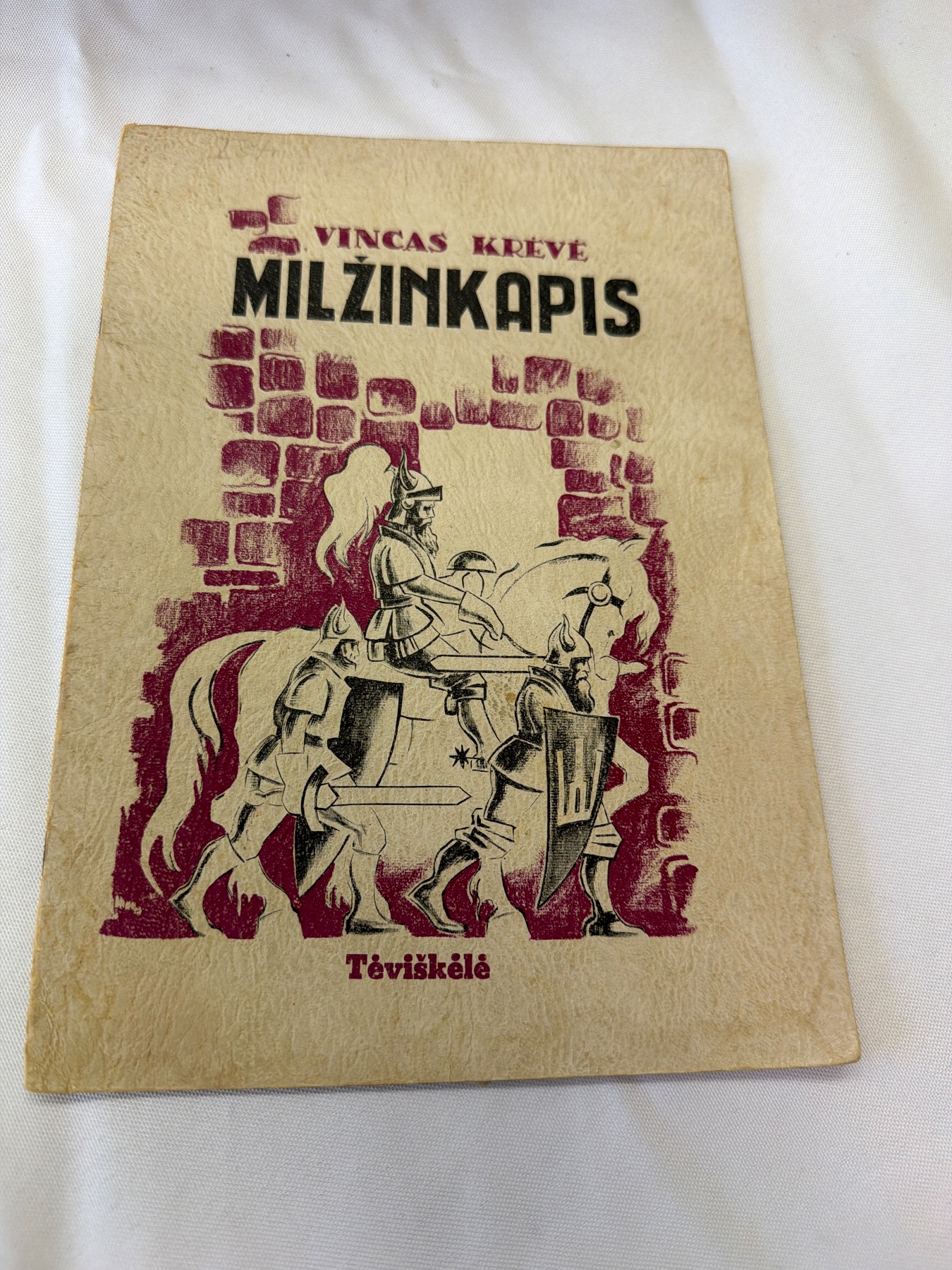
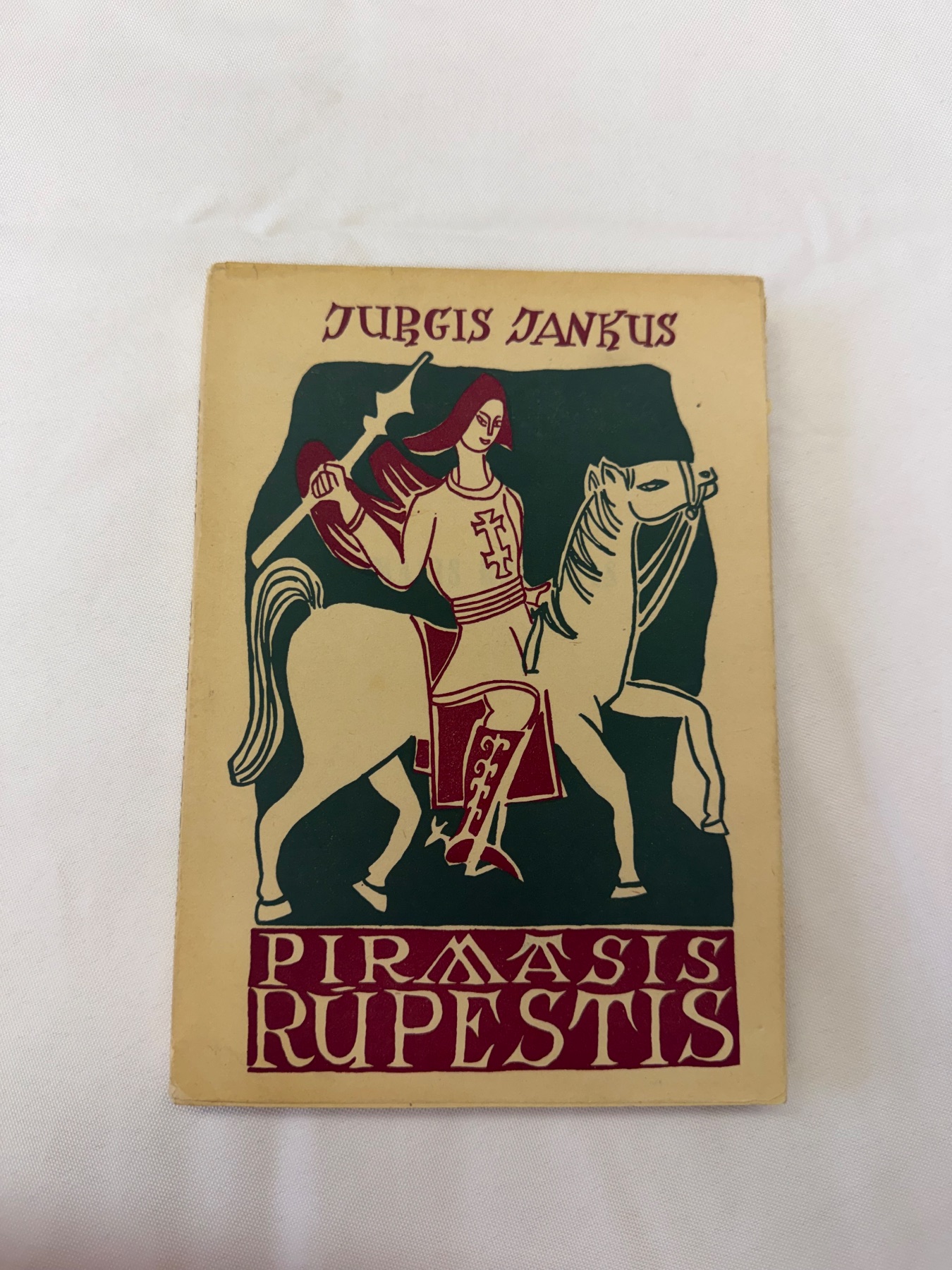
Gintariniai Vartai is a collection of legendary-style short stories by Nelė Mazalaitė-Kruminienė, one of the most prolific Lithuanian diaspora fiction writers of the early Cold War era, published in Chicago in 1952 by the Lithuanian Book Club. With 29 stories spanning 248+ pages, this volume represents a landmark in diaspora literary production — a substantial work of imaginative prose maintaining Lithuanian narrative tradition in exile. The book's blend of folk-legend sensibility with realistic emotional situations makes it an exceptional literary artifact for understanding how diaspora writers preserved cultural identity through storytelling.
Context and significance
Significance
This volume exemplifies the sophisticated literary infrastructure the Lithuanian-American diaspora constructed in the decade immediately following the 1944 Soviet re-occupation of Lithuania. The LKSD Knygos Klubas operated as a subscription-based literary society — members paid $5 in dues and received books valued at $7.50, a deliberate subsidy model ensuring wide distribution of Lithuanian literature in exile. The back-cover catalog advertising other forthcoming titles (including a major 832-page poetry anthology and works by Henrikas Nagys) reveals a coordinated publishing program designed not merely to entertain but to constitute a portable Lithuanian literary canon in America.
Mazalaitė's choice of the legendary-tale form is itself a cultural survival strategy. By grounding her fiction in the legendinio pobūdžio pasakojimų (legendary-style story) tradition — a form deeply rooted in Lithuanian folk narrative — she creates a literary bridge between the oral heritage of rural Lithuania and the literate diaspora audience in Chicago. The 29 stories range from explicitly religious themes (Kelionė į Liurdą, Trijų Karalių legenda, Pasaka apie Kalėdų Senį) to secular-philosophical ones (Baladė apie burę, Motina), demonstrating how Catholic faith and folk imagination were woven inseparably in the diaspora literary imagination.
The dedication 'Mano Motinai ir Juozui Kruminui atminti' (To the memory of my Mother and Juozas Kruminas) positions this as a work of mourning and testimony as much as fiction — a pattern common in early diaspora literature where creative work served simultaneously as personal memorial and communal act of cultural preservation. The Draugas press connection further embeds this volume in the Catholic-nationalist nexus that defined mainstream Lithuanian-American institutional life in the 1950s.
How this record carried memory
Identity preservation, Continuity statement explicit, Pedagogical framing
Record connections
People, places, and institutions linked in the catalog