Gaila Minios
1982
Historical and community context
Where this record belongs
Diaspora freedom
Introduction
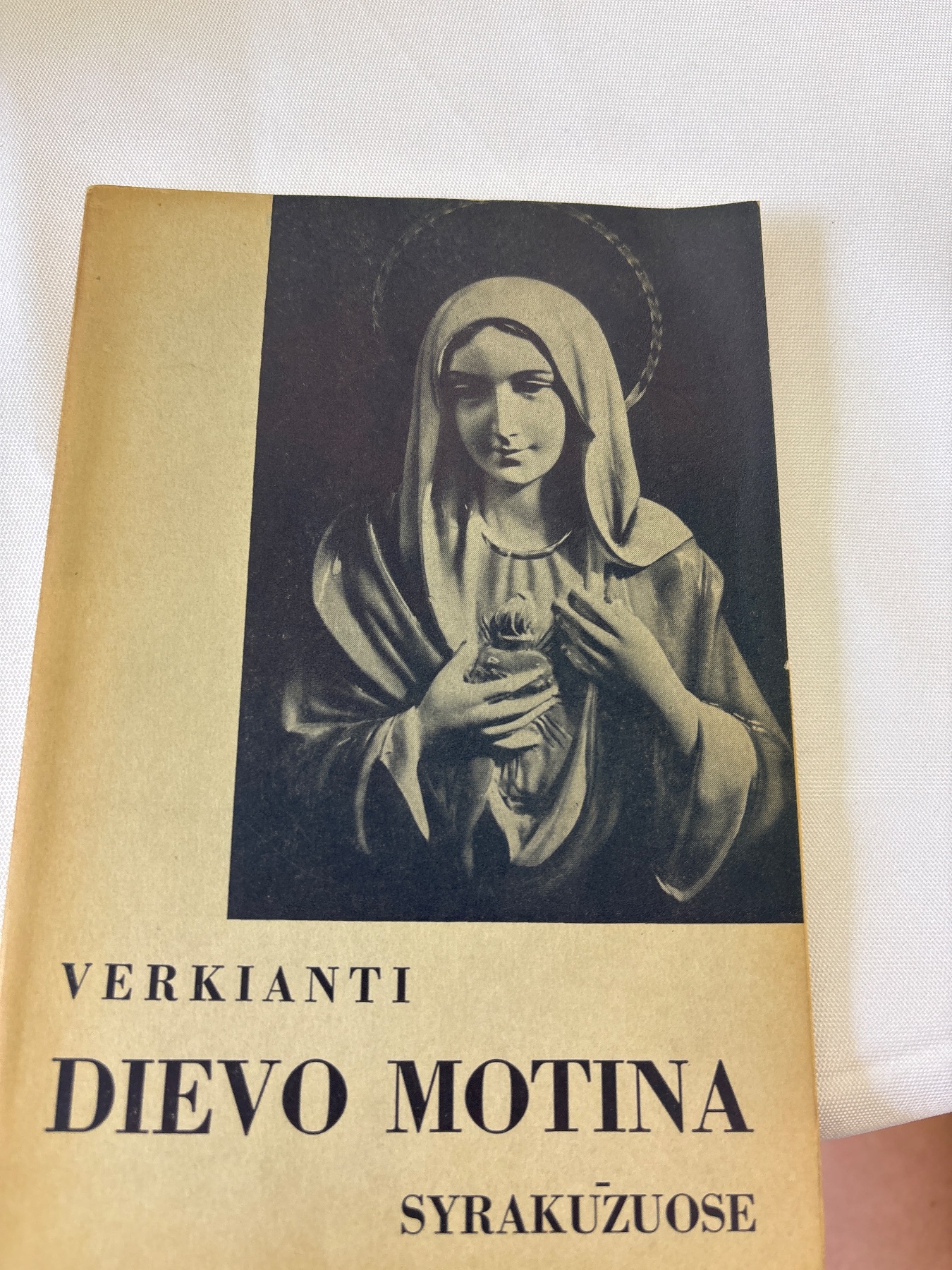
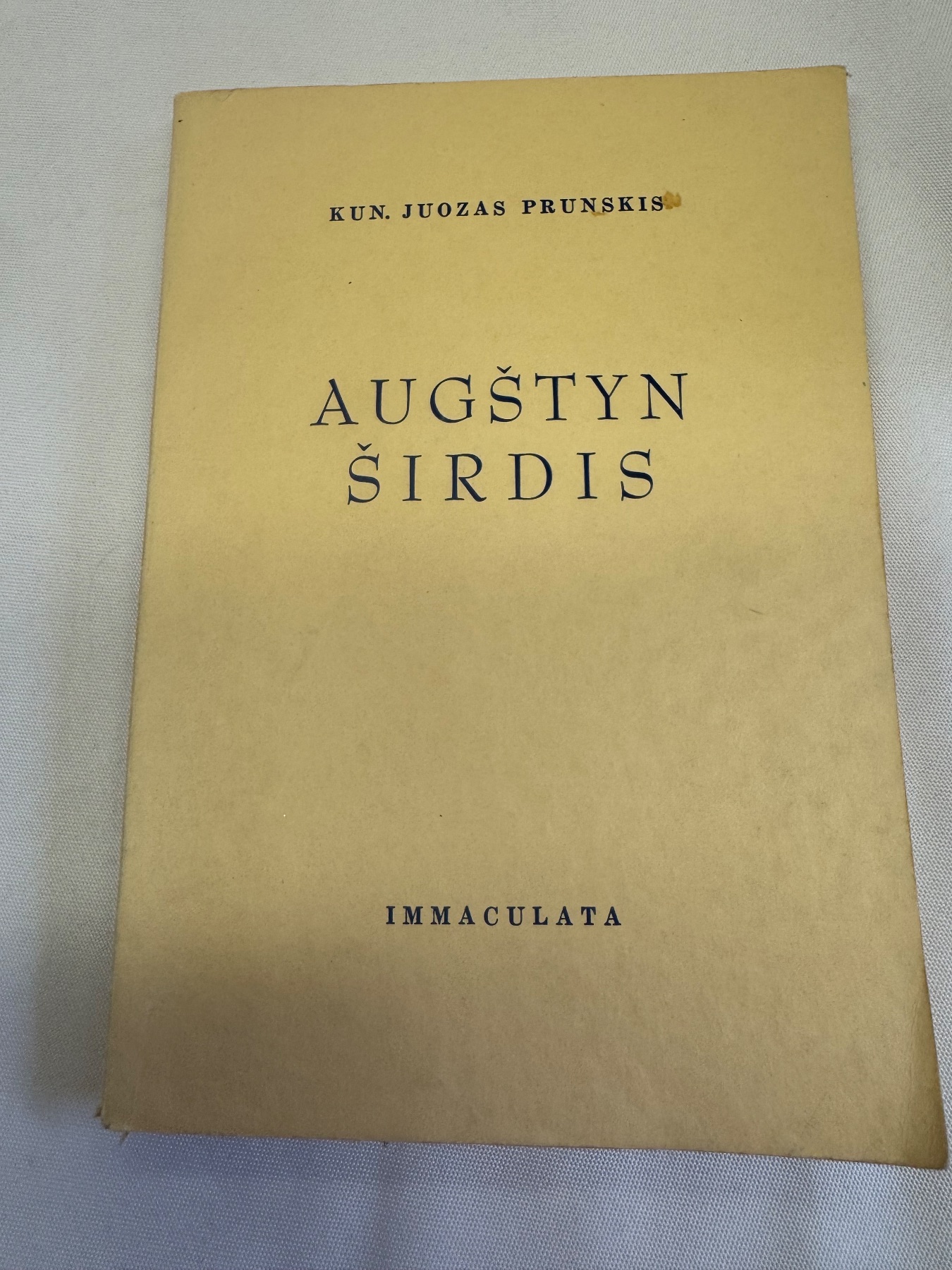
Gaila Minios is a 1982 Lithuanian-language devotional anthology on Divine Mercy, published by the diaspora press Sūduvos leidinys and receiving full ecclesiastical approval. It compiles and systematizes teachings on Dieviškasis gailestingumas (Divine Mercy) drawn from multiple sources, centered on the visions of Sister Faustina Kowalska, making the then-controversial devotion accessible to Lithuanian Catholic readers in their mother tongue. Published just as John Paul II's encyclical Dives in Misericordia was circulating and years before Sister Faustina's 1993 beatification, this volume is a rare Lithuanian-language witness to the grassroots spread of the Divine Mercy devotion within the diaspora community.
Context and significance
Significance
Gaila Minios exemplifies the mature Lithuanian diaspora's capacity to produce theologically sophisticated devotional literature entirely in Lithuanian, outside Soviet censorship, for communities spread across multiple American cities. The dual publisher addresses (Hot Springs, AR and Los Angeles, CA) and Chicago printing house reveal a geographically dispersed but functionally integrated diaspora publishing infrastructure — one capable of obtaining episcopal imprimaturs, registering with the Library of Congress, and distributing nationally. The Sūduvos leidinys imprint, named after the Sūduva ethnographic region of Lithuania, signals a deliberate regional identity politics within diaspora publishing: not just Lithuanian, but specifically rooted in a southwestern Lithuanian homeland.
The book's subject matter — the Divine Mercy devotion centered on Sister Faustina — carries additional layers of cultural significance. Faustina was Polish, and her visions occurred in part in Vilnius (Vilniuje), making this Lithuanian-language treatment a subtle act of Lithuanian reclamation of a shared Catholic sacred geography. The text's extensive treatment of Vilnius's Gate of Dawn (Aušros Vartai), visible on the cover illustration, further anchors Polish-originating devotion within distinctly Lithuanian sacred space. For diaspora readers, the Gate of Dawn image on the cover would have evoked homeland longing as powerfully as doctrinal content.
The 1982 publication date places this book in a precise moment of ecclesial and political tension: the Divine Mercy devotion had been suppressed by the Vatican from 1959–1978 and was only rehabilitated under John Paul II. Publishing this book in 1982 — with full imprimatur — was itself a participation in the post-suppression restoration of the devotion, and Lithuanian diaspora Catholics were among its most enthusiastic early adopters. This volume thus represents not only spiritual formation but diaspora positioning within global Catholic renewal movements.
How this record carried memory
Religion as language vessel, Faith framed as heritage, Identity preservation
Record connections
People, places, and institutions linked in the catalog