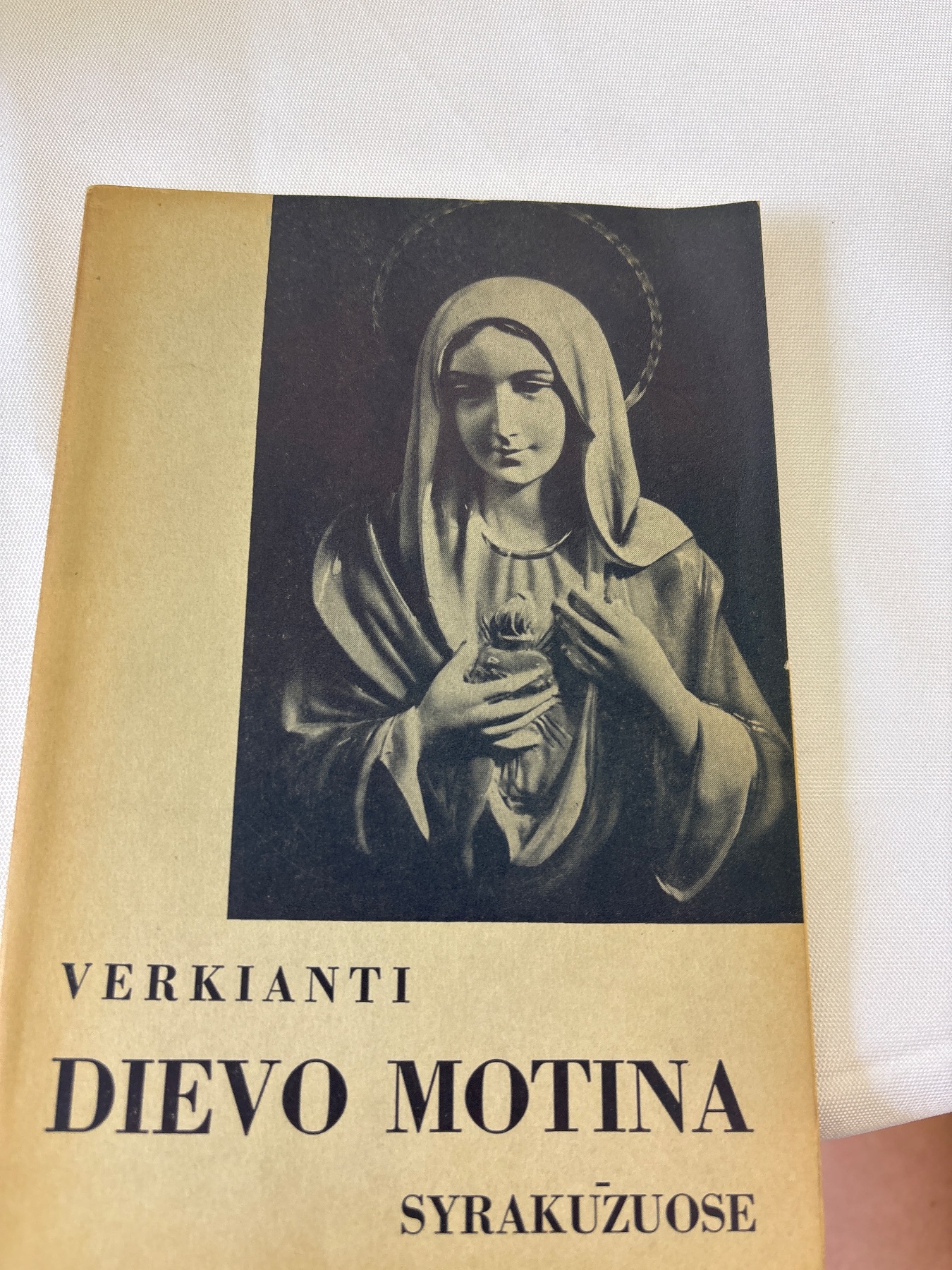
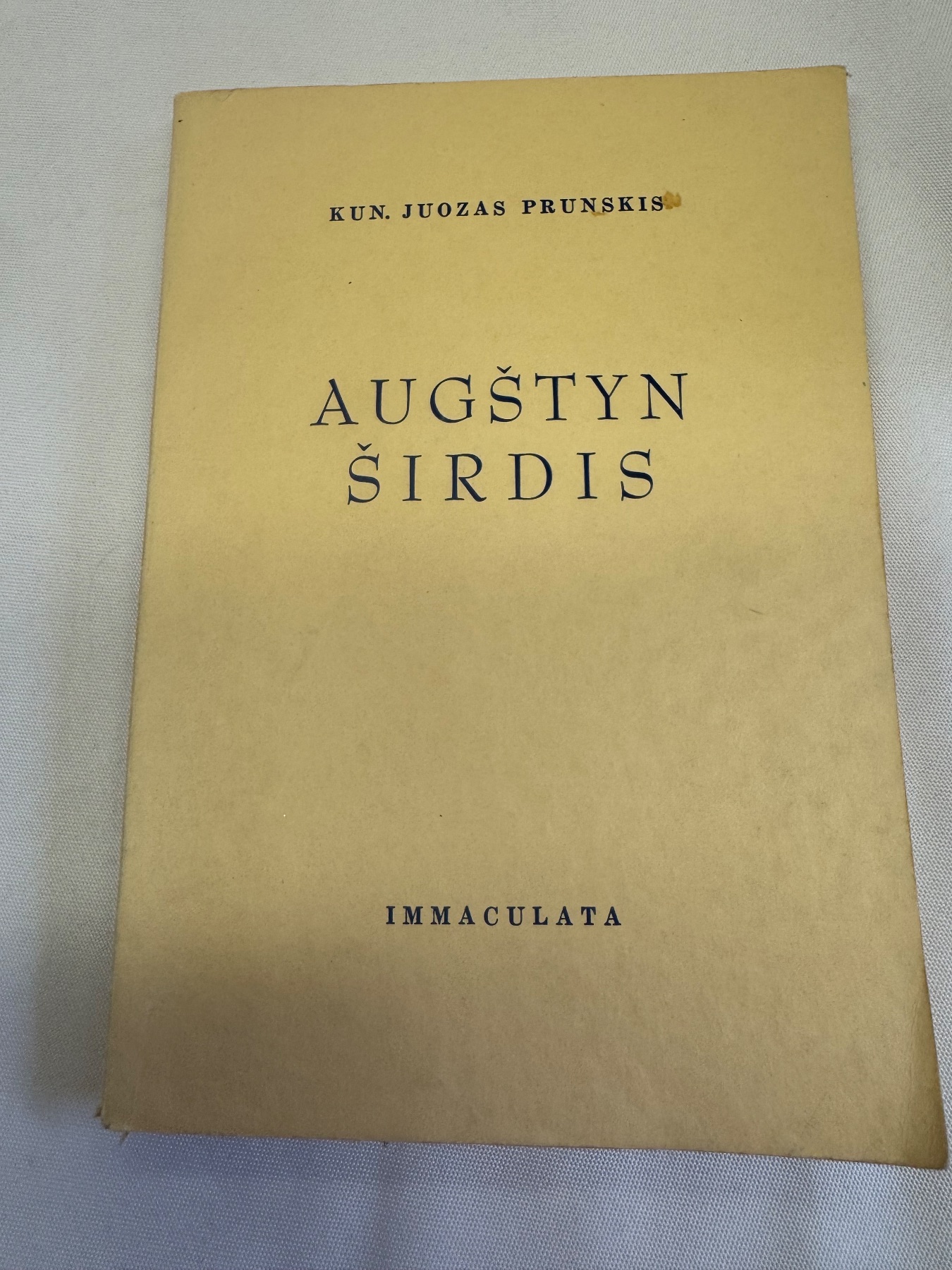
Skarbnyczėlė Diewo Waikų sawo Skarba Danguje turinčiųjų, kurioje yra randami keli Szwento Rašto Ludijimai su nūbažnais Giesmių Atsidusan̈jimais
Historical and community context
Where this record belongs
Prussia/Minor Lithuania pietist publication
Introduction
This is a rare 1905 Lithuanian Protestant devotional treasury printed in Heydekrug (Šilutė) during the final year of the Russian Imperial Press Ban, representing a Lithuanian-language adaptation of Karl Heinrich von Bogatzky's celebrated 'Golden Treasury' — one of the most widely used Pietist devotional works in European Lutheranism. Published just as the Press Ban was lifting, it documents the extraordinary lengths to which Lithuania Minor's publishing infrastructure went to sustain Lithuanian Protestant literacy and spiritual life across two centuries of suppression. As a daily devotional organized by calendar date with Scripture citations and hymn stanzas, it provides a uniquely dense corpus of Pre-Standard Lithuanian orthography, religious vocabulary, and Pietist prose rhythm.
Context and significance
Significance
This publication illuminates the parallel Lithuanian cultural survival infrastructure that operated in Prussia entirely independently of the Catholic-dominated Lithuanian national awakening occurring simultaneously across the Russian border. While historians of Lithuanian culture have focused heavily on the Press Ban smuggling networks and Catholic devotional literature, the Prussian Lithuanian Protestant community maintained an unbroken Lithuanian-language printing tradition throughout the 19th and early 20th centuries — and works like this Bogatzky adaptation represent the mature fruit of that tradition. The choice to translate and publish a canonical Pietist text rather than merely reprinting German originals reveals a community confident enough in its Lithuanian literary identity to undertake substantial translation labor for a domestic audience.
The daily devotional format is particularly significant from the perspective of language transmission: unlike a catechism used periodically or a prayer book consulted on Sundays, a daily treasury required its user to engage with Lithuanian text every single day of the year, across multiple years of use. The visible wear on this volume confirms exactly that pattern of intensive daily use. This makes such books primary vectors for the internalization of pre-standard Lithuanian orthography, devotional vocabulary, and Biblical diction — the linguistic substrate from which 20th-century standard Lithuanian was partly built. The numbered hymn system (numbers visible in the 400s and 500s) also suggests integration with a broader hymnbook corpus, pointing toward a rich intertextual ecosystem of Protestant Lithuanian devotional literature.
For diaspora studies, this volume also complicates simple narratives of Lithuanian cultural identity as monolithically Catholic. The Prussian Lithuanian Protestant tradition was a distinct and historically significant strand of Lithuanian cultural life, and materials like this Bogatzky translation are among its best-preserved documentary traces. Their relative scarcity in major collections — compared to Catholic Lithuanian publications — makes each surviving copy of disproportionate scholarly value for reconstructing the full range of pre-independence Lithuanian religious and linguistic culture.
How this record carried memory
Religion as language vessel, Faith framed as heritage, Identity preservation
Record connections
People, places, and institutions linked in the catalog