Marijos Žodis
Historical and community context
Where this record belongs
unknown
Introduction
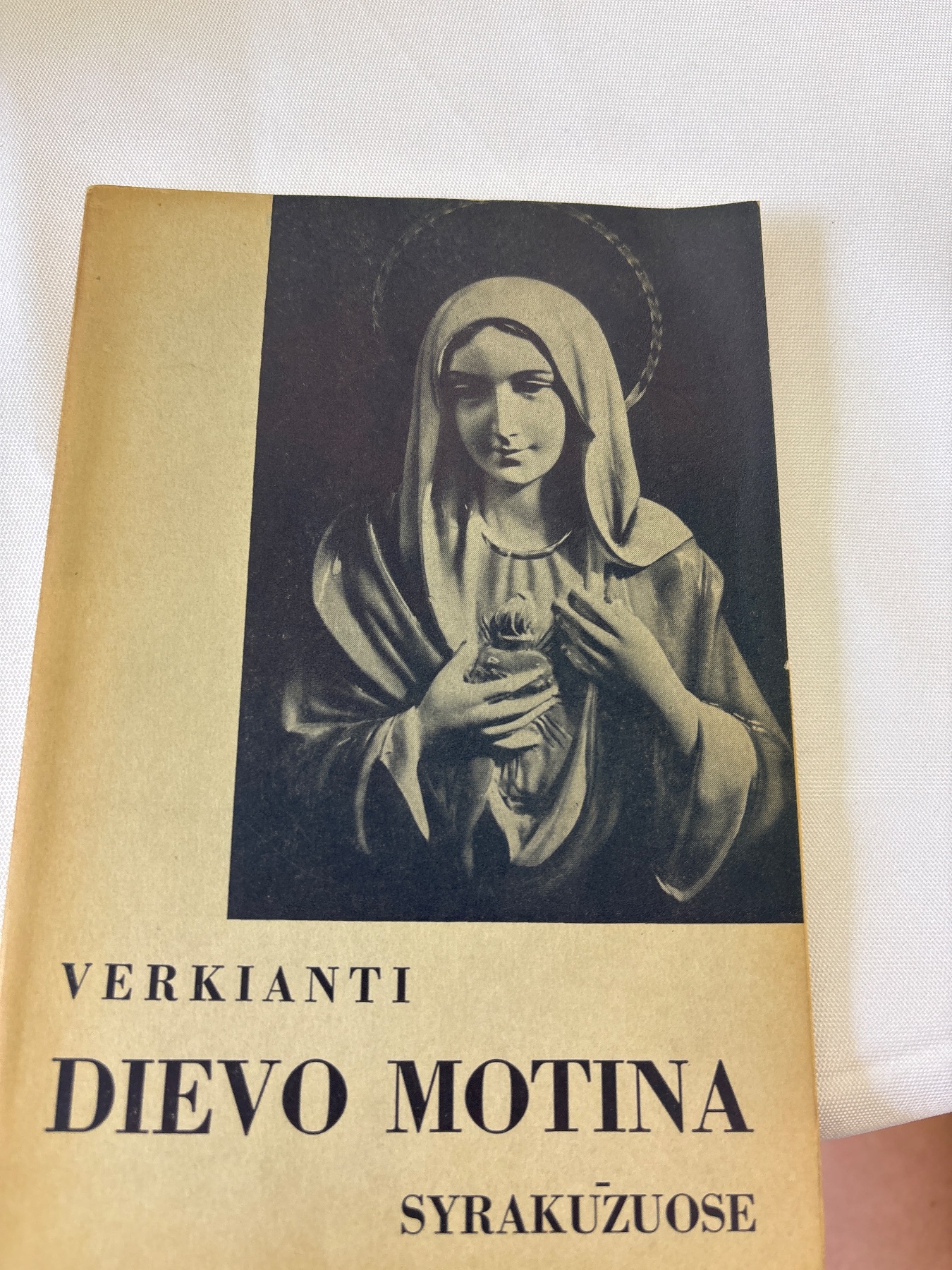
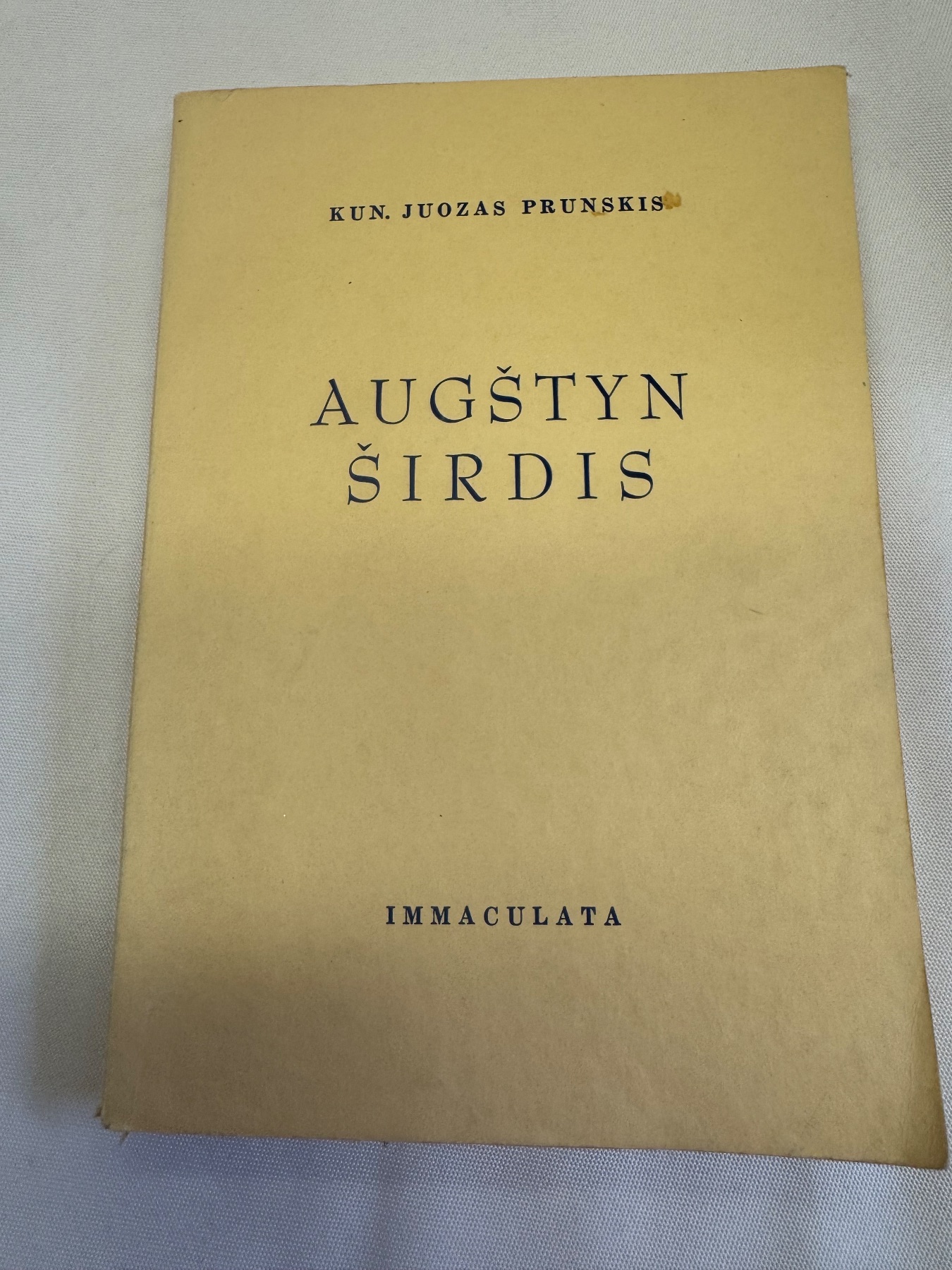
Marijos Žodis is a rare 1946 Lithuanian-language Marian devotional text — May-month readings — published in Regensburg, Germany at the height of the DP camp period, authored by a Lithuanian priest-scholar who witnessed the Allied bombing of Regensburg firsthand. The author's preface recounts the miraculous survival of the Fatima image in the ruins of a bombed seminary church, weaving wartime trauma directly into Catholic Marian piety, making this a uniquely layered document of faith under existential crisis. As one of very few Lithuanian devotional books produced in the immediate postwar DP moment, it captures the theological and emotional register of a displaced people reconstituting religious life in occupied Germany.
Context and significance
Significance
This publication exemplifies the remarkable capacity of Lithuanian Catholic institutions to reconstitute themselves almost immediately after wartime displacement. Published in Regensburg in 1946 — just one year after the end of the war — it demonstrates that Lithuanian priests with academic credentials (the 'Dr.' designation signals pre-war Lithuanian university formation) were already organizing devotional life for displaced communities, deploying the annual May Marian devotion as a structuring ritual that would have been familiar to any Lithuanian Catholic from the homeland. The May readings format was not merely pious literature; it was a calendrical anchor that imposed Lithuanian Catholic temporal rhythm onto the chaos of DP camp existence.
The preface's account of the March 1945 Regensburg bombing and the miraculous survival of the Fatima image is a masterwork of DP-era cultural survival rhetoric: the physical destruction of German Catholic infrastructure becomes evidence of Marian protection, simultaneously expressing grief for the lost homeland, asserting the continuing power of Lithuanian Catholic piety, and affirming that divine protection extends to the displaced. This narrative strategy — finding providential meaning in catastrophe — is a hallmark of Lithuanian Catholic diaspora literature of 1945-1955 and is rarely captured with such immediacy.
The inclusion of Marian hymns ('Marija, Marija'; 'Marija, gražiausia Panele') alongside devotional prose represents the full spectrum of Lithuanian Catholic devotional culture: prose meditation, scripture citation, and communal song. These hymns would have been sung in Lithuanian parishes from Kaunas to Chicago, and their appearance in a 1946 Regensburg DP publication marks the moment when diaspora devotional culture began consciously preserving the full heritage rather than improvising under emergency conditions.
How this record carried memory
Religion as language vessel, Faith framed as heritage, Continuity statement explicit, Identity preservation
Record connections
People, places, and institutions linked in the catalog