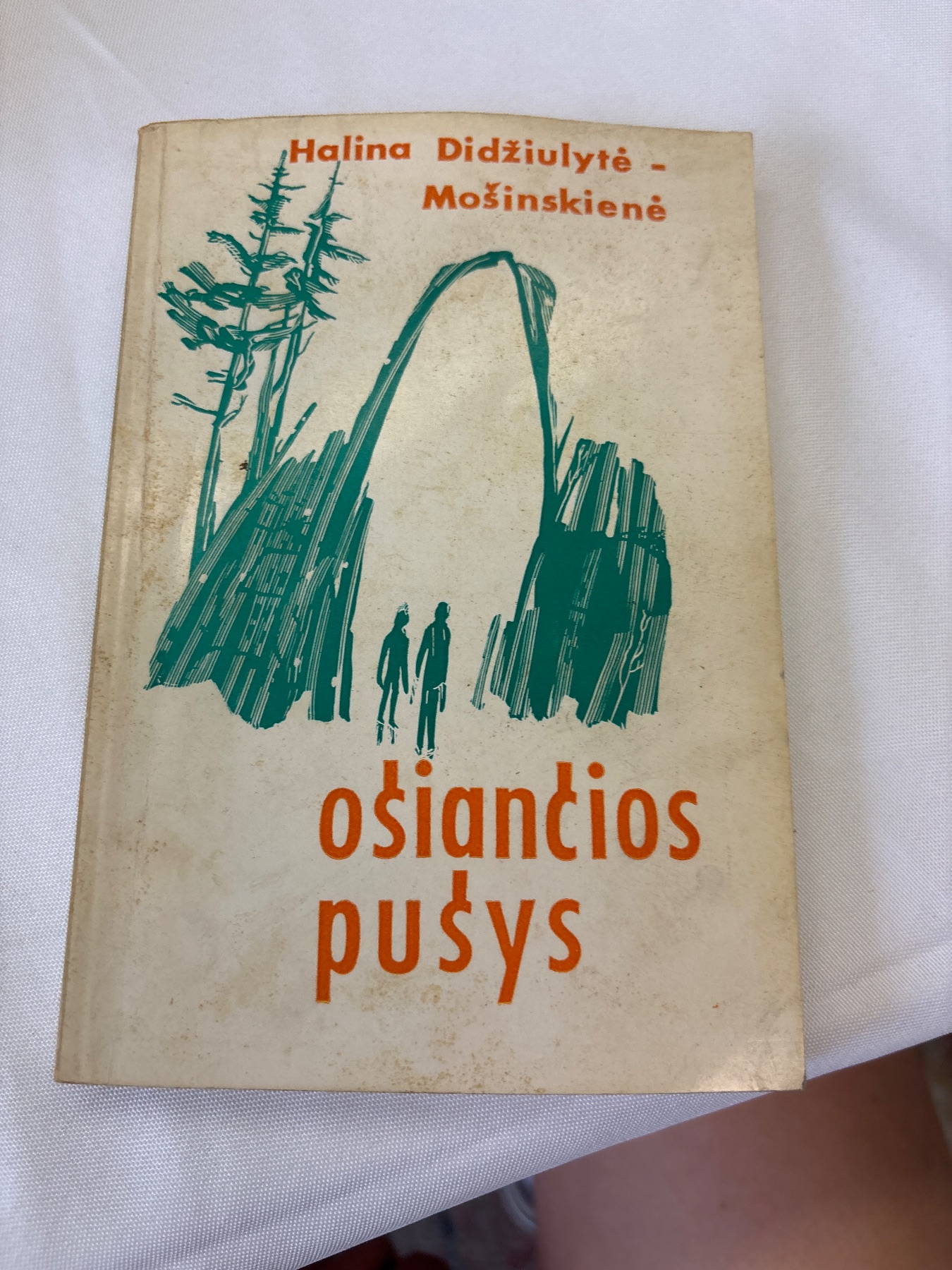
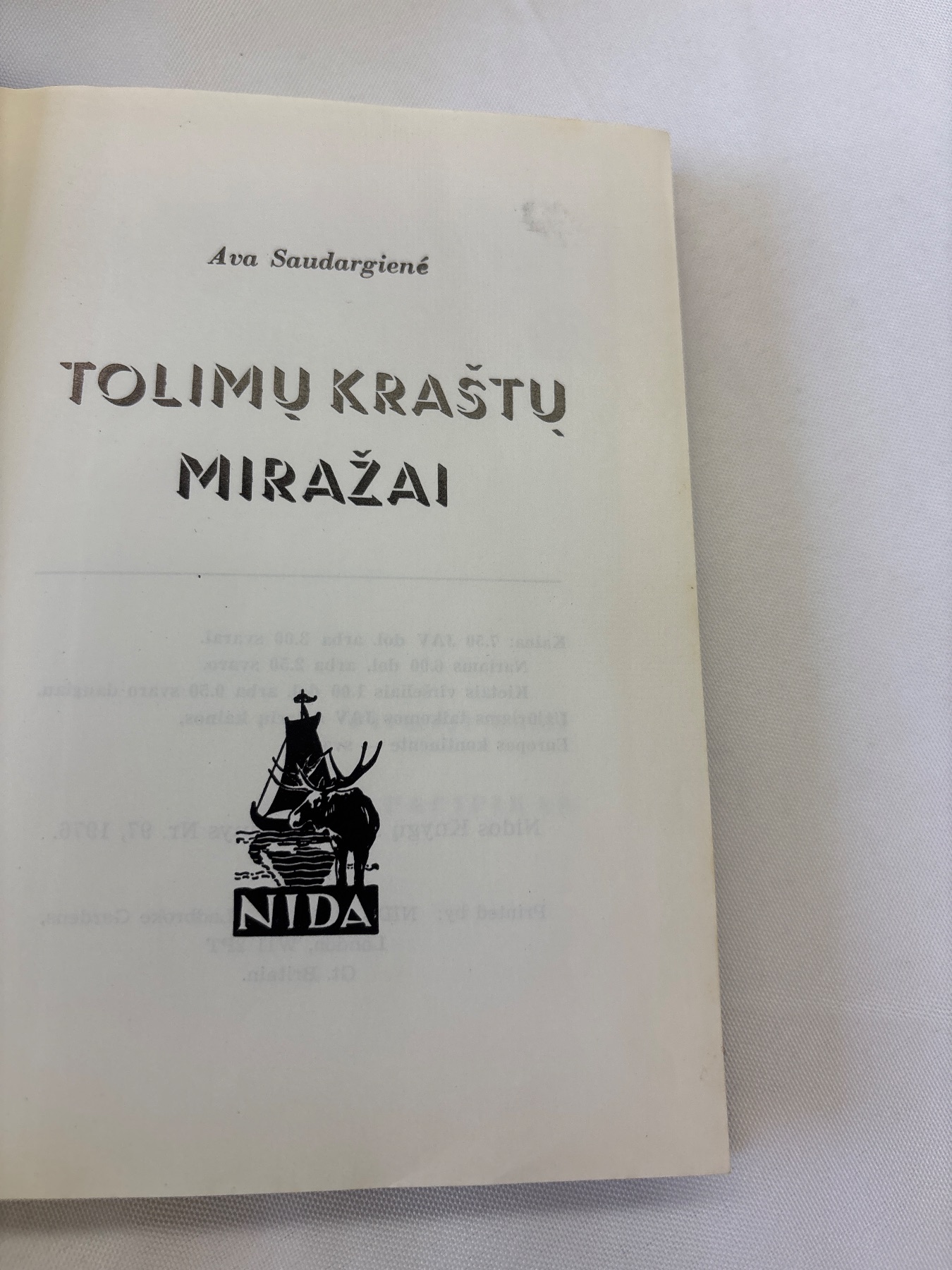
Sudiev, kvietkeli!
1951
Historical and community context
Where this record belongs
Diaspora freedom
Introduction
This is the first book published by the 'Australijos Lietuvis' press in Adelaide in 1951, making it a landmark artifact of Lithuanian diaspora literary culture in the Southern Hemisphere. Pulgis Andriušis's apysaka (novella) depicts Lithuanian rural village life with rich colloquial language and folk idiom, preserving a world destroyed by Soviet occupation. As the inaugural publication of the first Lithuanian cultural press in Australia, it represents the founding act of a diaspora literary institution.
Context and significance
Significance
This publication reveals that the Australian Lithuanian diaspora community had, by 1951, developed sufficient institutional infrastructure to establish a dedicated publishing house capable of sourcing Lithuanian-language typefaces and producing book-length literary works. The colophon's grateful acknowledgment of the Šulaičiai brothers for procuring Lithuanian fonts illuminates the material conditions of diaspora cultural production — typeface itself was a contested, scarce resource — and the collective communal effort required to maintain the Lithuanian written word on the other side of the world.
The decision to inaugurate a new press with a literary novella rather than a prayer book, bulletin, or administrative document is itself deeply significant. It signals a self-conscious commitment to Lithuanian secular literary culture as the primary vehicle of identity preservation, positioning belles-lettres alongside religion as a survival mechanism. Andriušis's choice to depict rural Lithuanian village life — Viščių kaimas and its inhabitants — creates a literary monument to a world that Soviet occupation had rendered inaccessible, transforming the Australian printing press into an ark for Lithuanian agrarian memory.
The transnational dimension is equally striking: the author's prior publication in the American Lithuanian journal 'Darbe' under a pseudonym and the book's physical circulation from Adelaide demonstrate the interconnected, continent-spanning nature of Cold War Lithuanian diaspora cultural networks. This was not an isolated community but a self-aware, internationally coordinated cultural resistance movement using literature as its primary instrument of transmission.
How this record carried memory
Identity preservation, Continuity statement explicit, Pedagogical framing
Record connections
People, places, and institutions linked in the catalog