Karaliaus Vainikas
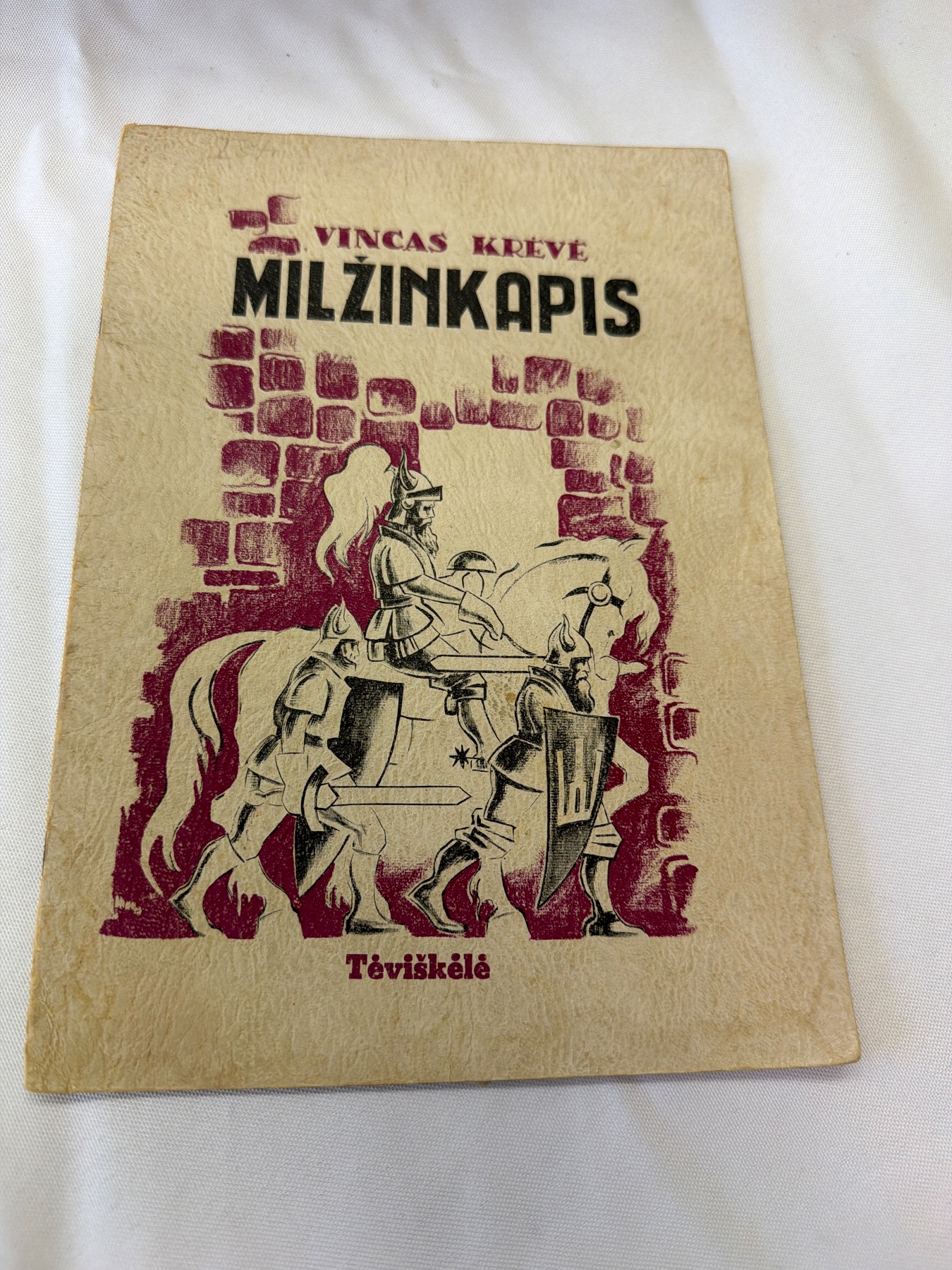
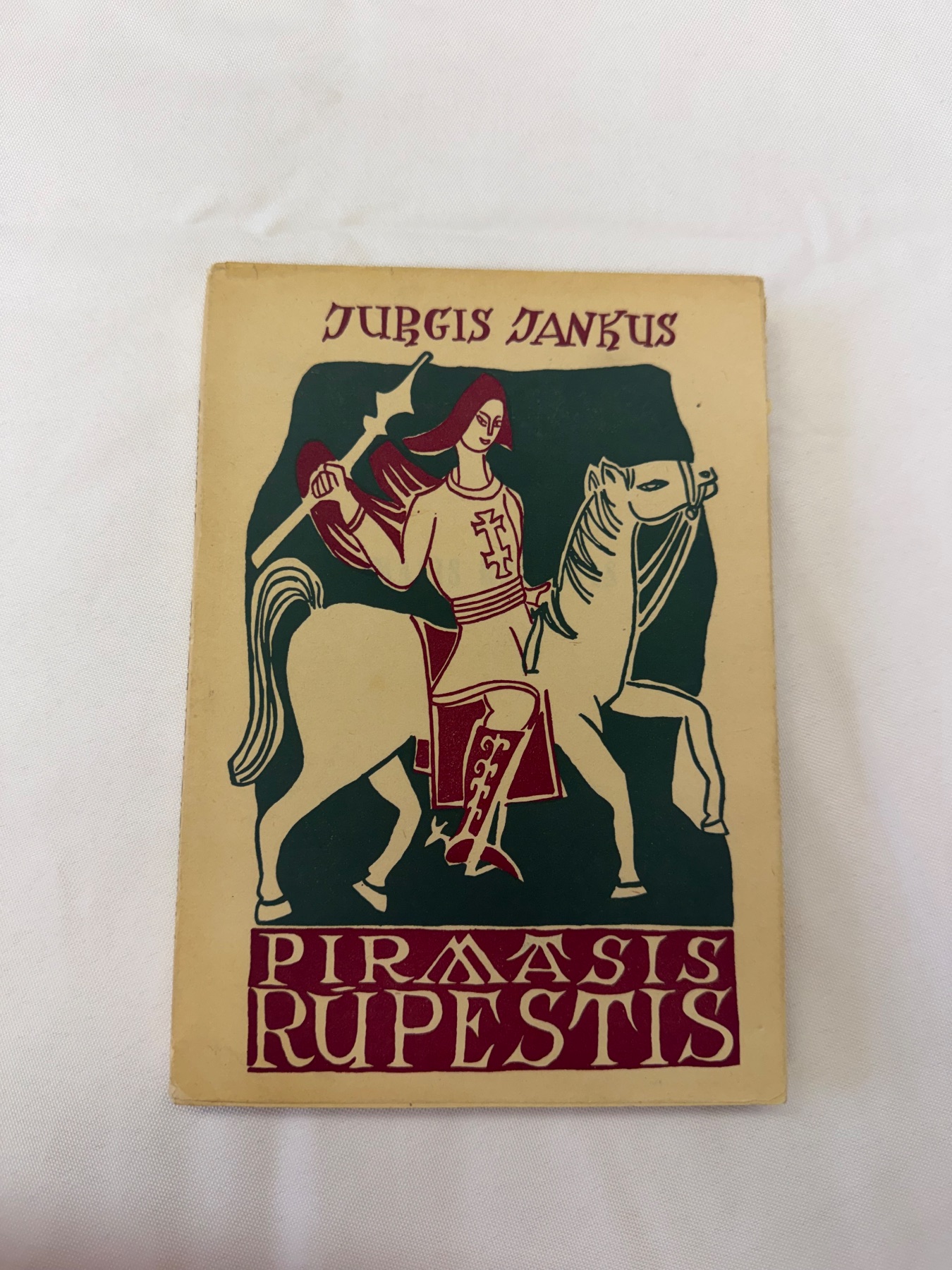
J. S. (editor, initials only visible in preface; anthology compiled from multiple authors including Paulius Jurkus, Vincas Krėvė, Nelė Mazalaitė, Juozas Pronskus, Jonas Remeika, Šatrijos Ragana, Antanas Vaičiulaitis, Vaižgantas, Antanas Vienuolis)
1958
Historical and community context
Where this record belongs
Diaspora freedom
Introduction
Karaliaus Vainikas is a 1958 Lithuanian diaspora anthology published by Gabija in the United States, collecting legends and historical tales drawn from Lithuanian folk tradition and literary sources, explicitly curated for young readers in the diaspora. Featuring canonical authors such as Vincas Krėvė, Šatrijos Ragana, Vaižgantas, and Antanas Vienuolis alongside diaspora writers like Paulius Jurkus and Antanas Vaičiulaitis, it represents a deliberate effort to transmit heroic national mythology to Lithuanian American youth. With a print run of only 1,000 copies and likely low institutional survival rate, this volume is a rare and significant artifact of diaspora cultural reproduction.
Context and significance
Significance
Karaliaus Vainikas exemplifies the diaspora's sustained investment in transmitting a heroic Lithuanian national mythology to the second generation growing up in America. The editorial apparatus — the brief preface by 'J. S.' and the carefully curated table of contents drawing from both the canonical interwar literary tradition and active diaspora writers — reveals a diaspora institution (Gabija) operating with sophisticated cultural intentionality: not merely reprinting old texts, but constructing a new pedagogical canon for children who had never seen Lithuania. The selection of legends rather than lyric poetry or political essays is itself a strategic choice, grounding identity in pre-Christian and medieval heroism that transcended the immediate political tragedy of occupation and made Lithuanian identity feel ancient, noble, and enduring.
The anthology's survival in a Detroit lituanistinė mokykla collection confirms that books like this were the working curriculum of diaspora heritage education — they were used, not merely collected. The presence of authors representing multiple literary generations (Vaižgantas and Šatrijos Ragana from the early 20th century, Vincas Krėvė from the interwar, and Paulius Jurkus and Antanas Vaičiulaitis as diaspora contemporaries) demonstrates the diaspora's self-conscious effort to portray Lithuanian literary culture as continuous, living, and unbroken by Soviet occupation. This is identity preservation as literary curation.
How this record carried memory
Identity preservation, Pedagogical framing, Continuity statement explicit
Record connections
People, places, and institutions linked in the catalog