Leiskit į Tėvynę
Historical and community context
Where this record belongs
Allied authorization (DP) — explicitly authorized by UNRRA Team 155, published in occupied Germany during the DP period
Introduction
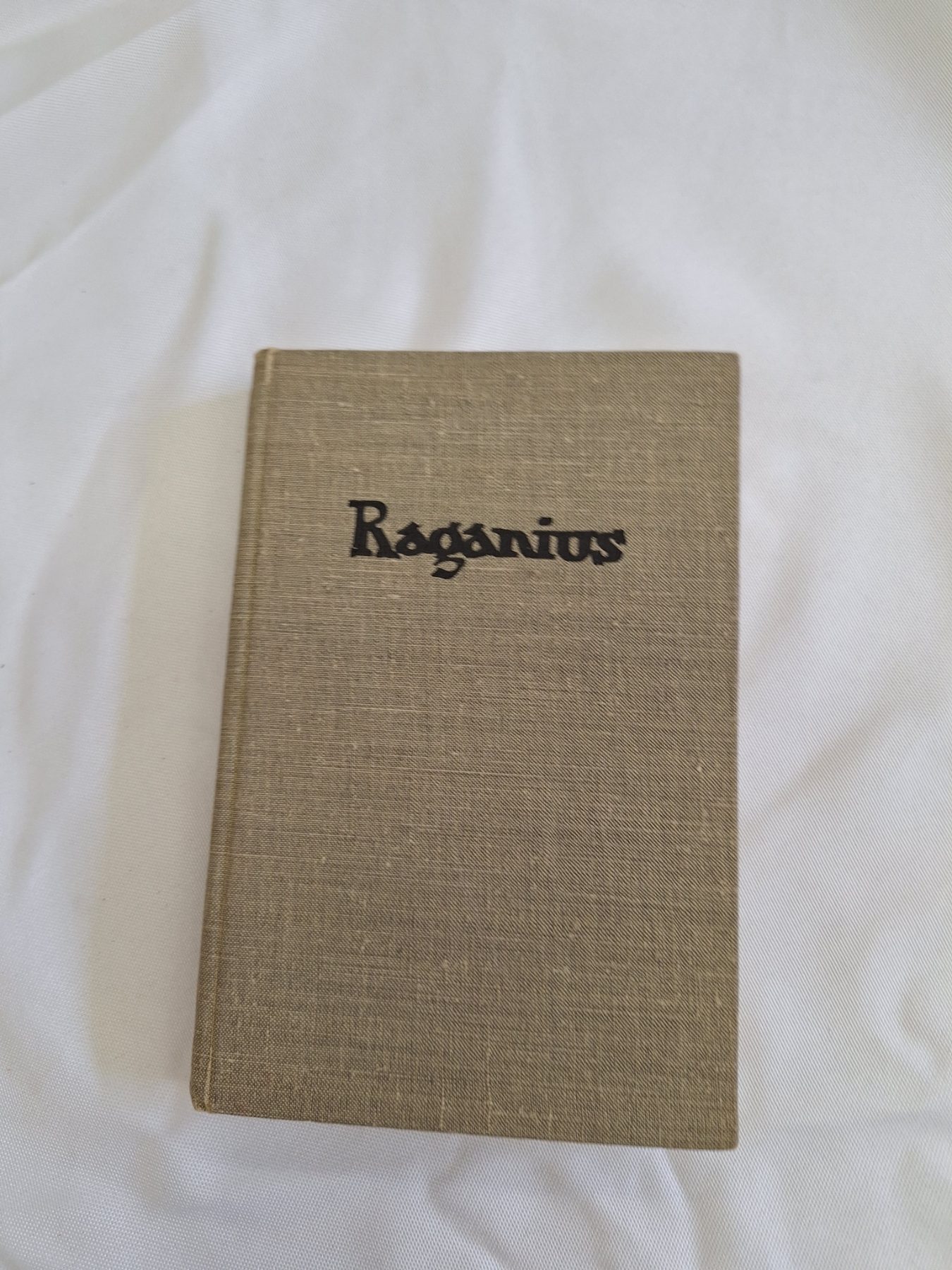
"Leiskit į Tėvynę" (Let Us Home / Let Us Return to the Homeland) is a compact anthology of Lithuanian national songs and poems compiled in a Displaced Persons camp in Memmingen, Germany in 1946 — one of the earliest and most emotionally charged cultural publications of the Lithuanian DP era. With only 1,000 copies printed under UNRRA authorization, this pocket-sized songbook served as a portable vessel of national identity for Lithuanians who had lost their homes, state, and material world. It stands as a primary document of cultural survival under displacement, encoding the full emotional register of exile — longing, defiance, lullaby, and hope — in a form small enough to carry in a coat pocket.
Context and significance
Significance
"Leiskit į Tėvynę" reveals the extraordinary speed and determination with which Lithuanian DP intellectuals reconstituted cultural infrastructure within months of displacement. The existence of a named press ("Mintis"), a compiler with editorial collaborators, UNRRA authorization protocols, a formal errata page, and a thematically organized anthology of 279+ songs — all assembled in Memmingen by September 10, 1946 — demonstrates that cultural production was not an afterthought but an immediate survival priority. The introduction's frank admission that songs were reconstructed from memory underscores the catastrophic rupture of deportation while also testifying to the depth of internalized cultural knowledge that survived it.
The volume's organizational logic — opening with patriotic anthems for collective singing, moving through nature songs, love songs, lullabies, work songs, and closing with humorous songs — suggests a community that understood cultural wholeness to require emotional range, not only defiant nationalism. The inclusion of a lullaby section and children's-register songs (e.g., "O atsimenu namelį") indicates that the anthology was conceived for multigenerational use, anticipating the need to transmit culture to children born in exile who had never seen Lithuania.
The figure of Br. Kviklis (dipl. ekon.) as the practical production organizer — an economist, not a literary figure — illuminates how DP cultural institutions drew on whatever professional talent was available, creating a distinctly collaborative and pragmatic cultural production model that would define diaspora publishing for the next four decades. This volume thus functions not only as a folkloric artifact but as an institutional blueprint for diaspora cultural survival.
How this record carried memory
Identity preservation; Continuity statement explicit (introduction directly articulates the mission of preserving national spirit for future generations); Folk songs as language vessel; Pedagogical framing (the book is explicitly described as a 'tautinė maldaknygė' — national prayer book — for diaspora communities)
Record connections
People, places, and institutions linked in the catalog