
Lietuvių Fondas / Lithuanian Foundation: Lietuvių Fondo Pirmasis Dvidešimtmetis 1962–1982
Historical and community context
Where this record belongs
Diaspora freedom
Introduction
This commemorative volume documents the first twenty years (1962–1982) of the Lithuanian Foundation, the most significant Lithuanian-American endowment institution dedicated to funding Lithuanian education, culture, science, and youth activities in diaspora. It is an extraordinary institutional self-portrait containing founding documents, financial records, donor rolls, organizational histories, and a photographic album of hundreds of named contributors — making it an unparalleled prosopographic and financial archive of mid-century Lithuanian-American organized life. Published in 1983 as the 'Aušros' centennial year, the volume consciously situates diaspora philanthropy within the long arc of Lithuanian national survival.
Context and significance
Significance
This volume is perhaps the single most comprehensive printed record of Lithuanian-American philanthropic institution-building during the Cold War era. The Lithuanian Foundation was conceived in 1960, formally incorporated in 1962, and by the time of this publication had accumulated over two million dollars in endowment capital — an extraordinary achievement for a diaspora community of fewer than 100,000 adults. The book reveals the full infrastructure of diaspora civil society: founding debates in the press, competing visions for the fund's governance, regional organizing across at least five US metropolitan areas, annual conventions with resolutions, investment strategies including real estate, and a grant distribution system supporting universities, cultural organizations, publications, youth groups, and schools like Žiburio itself. The donor rolls alone (pages 199–319 for individuals, 309–421 for organizational photos) constitute a who's-who census of Lithuanian-American civic life in the 1960s–1980s.
As a cultural survival document, the volume is explicitly intergenerational in its rhetoric. The publisher's preface directly addresses 'the coming generations' (ateinančios kartos), framing the Foundation as a vehicle for transmitting Lithuanian identity through financial permanence rather than geographic proximity to the homeland. The vision — that endowment income could permanently sustain Lithuanian language education, arts, and scholarship even as the community dispersed and aged — represents a sophisticated adaptation of diaspora identity politics. The 1983 publication year is itself symbolically charged: the volume was designated 'Aušros metai' (Year of Aušra), commemorating the centennial of the underground Lithuanian press, making an explicit connection between 19th-century clandestine cultural resistance and 20th-century diaspora institution-building.
How this record carried memory
Identity preservation; Continuity statement explicit; Pedagogical framing
Record connections
People, places, and institutions linked in the catalog
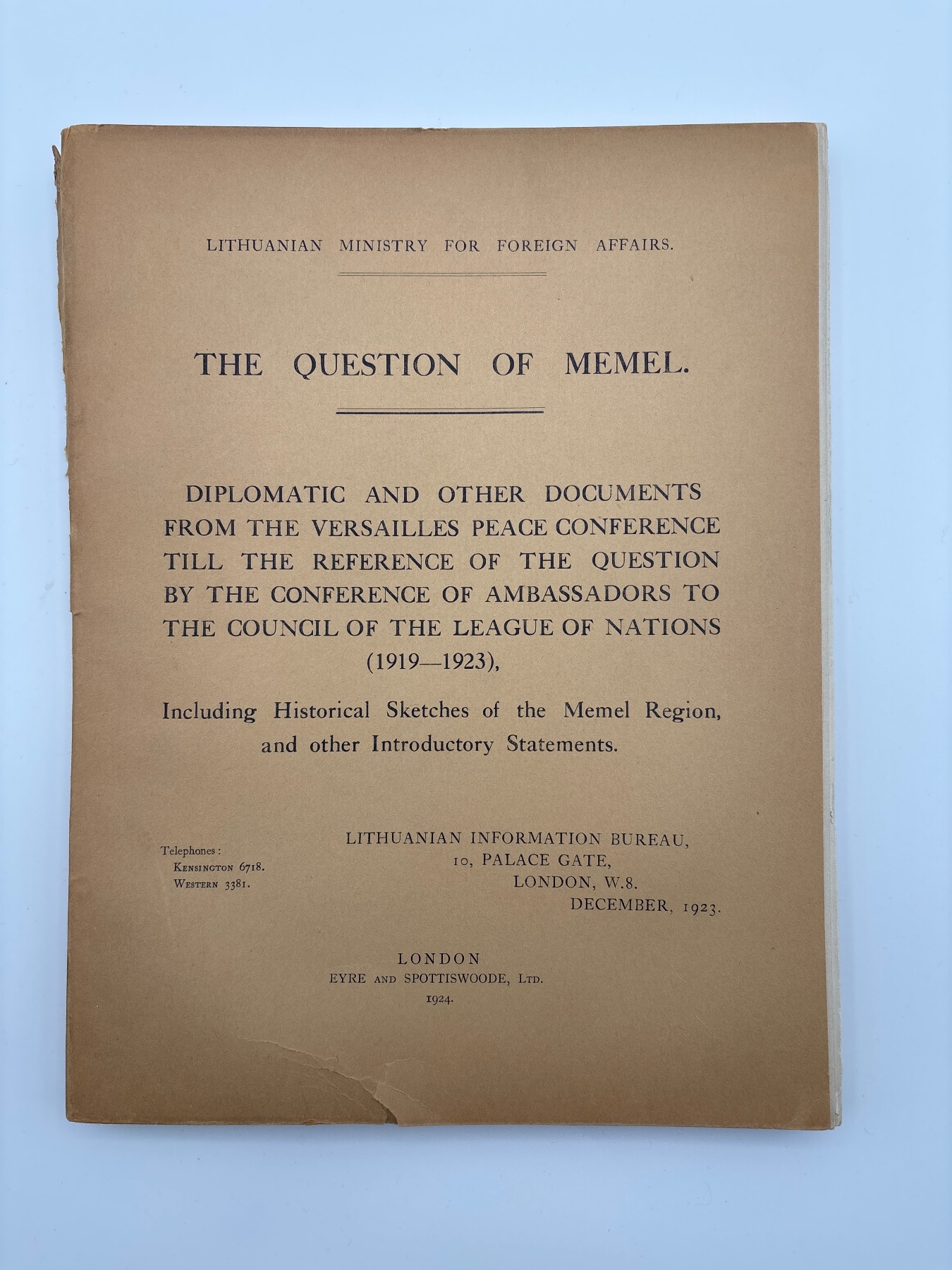
The Question of Memel: Diplomatic and Other Documents from the Versailles Peace Conference till the Reference of the Question by the Conference of Ambassadors to the Council of the League of Nations (1919-1923), Including Historical Sketches of the Memel Region, and other Introductory Statements

Lithuanian Writers in the West: An Anthology
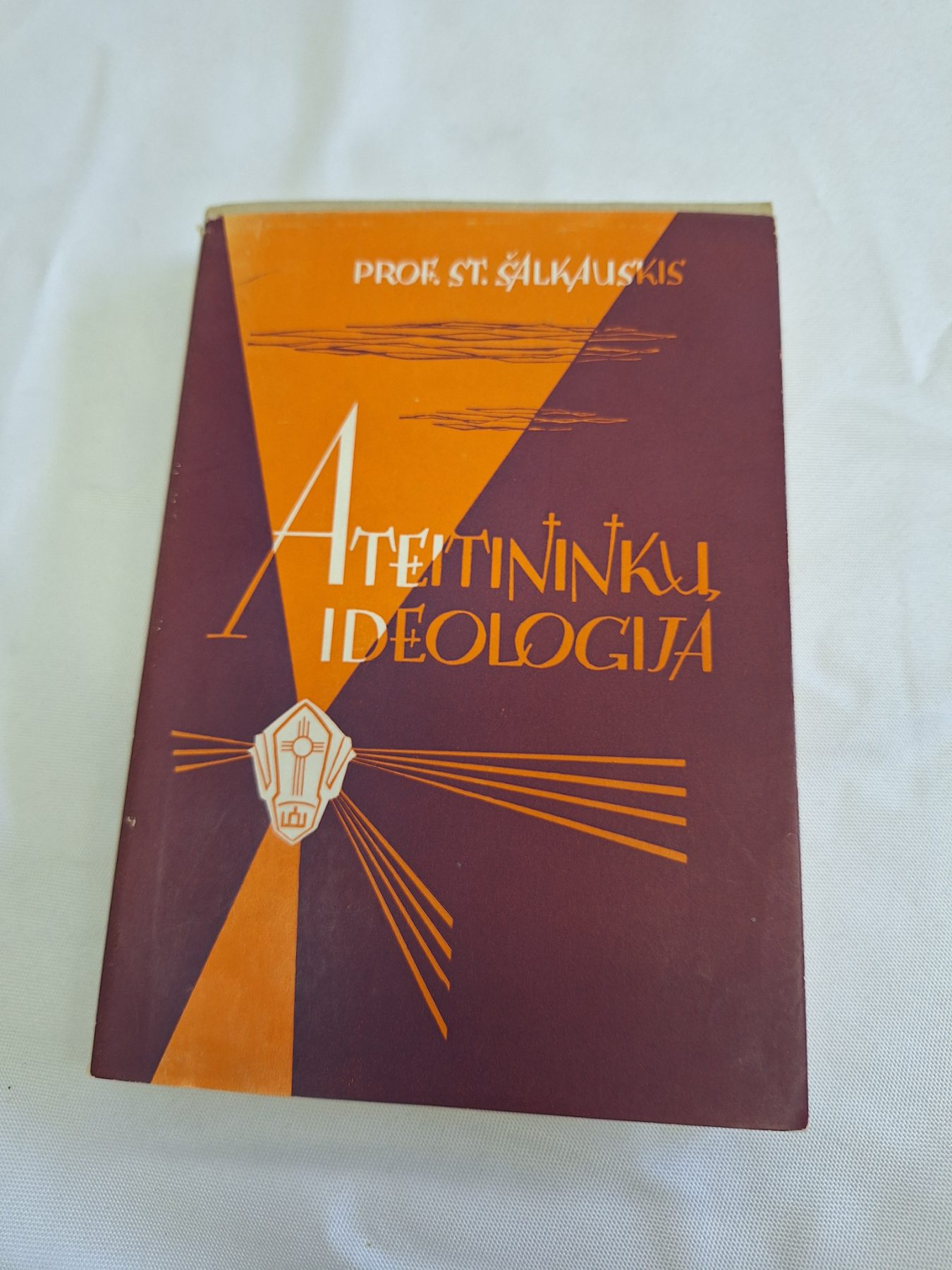
Ateitininkų Ideologija