
Negesinkime Aukurų
Historical and community context
Where this record belongs
Diaspora freedom
Introduction
Written by Bishop Vincentas Brizgys — the most prominent Lithuanian Catholic bishop in diaspora — this 1959 Brooklyn-published volume on family life and moral formation represents the highest level of Lithuanian Catholic intellectual output in the early diaspora period. The title 'Negesinkime Aukurų' (Let Us Not Extinguish the Hearth Fires) is a direct exhortation to preserve Lithuanian family, faith, and national identity against the erosive forces of assimilation and Soviet occupation. As a formally approved (Nihil Obstat and Imprimatur) pastoral-philosophical work printed by the Lithuanian Franciscan press, it encapsulates the institutional infrastructure that sustained diaspora cultural survival.
Context and significance
Significance
This publication is a primary artifact of the Lithuanian Catholic diaspora's institutional maturity in the late 1950s. By 1959, the Brooklyn Franciscan press had become a fully functioning ecclesiastical publishing house capable of producing formally approved, intellectually serious works of moral theology and social philosophy in Lithuanian — a remarkable achievement for a displaced community barely fifteen years removed from wartime flight. The existence of a named diocesan censor (Rev. Balkunas), a Brooklyn bishop willing to grant Imprimatur, and a Lithuanian bishop author with international standing signals that the diaspora had successfully replicated not just the material infrastructure of Lithuanian Catholic publishing but its full canonical legitimacy.
Brizgys's framing of the Lithuanian family as the 'hearth fire' (aukuras) of national survival is not merely rhetorical; it is a deliberate theological and cultural program. The dedication in the sampled pages — to those Lithuanian families from whom national tradition and character grew — explicitly positions the domestic sphere as the front line of cultural resistance against Soviet occupation. This conflation of family, faith, and national identity is the defining ideological signature of Lithuanian diaspora Catholicism, and Brizgys articulates it with episcopal authority and philosophical sophistication unavailable to lay authors.
The book's engagement with natural law arguments against abortion and for family sanctity, visible on page 211, places it within the broader mid-century Catholic intellectual moment (anticipating Humanae Vitae by nearly a decade) while simultaneously grounding these universal arguments in specifically Lithuanian historical experience — references to Bolshevik laws, Nazi racial laws, and the vulnerability of the Lithuanian nation give the moral theology a diaspora-specific urgency. This layering of universal Catholic teaching onto particular Lithuanian cultural survival makes the text a uniquely rich artifact for understanding how diaspora communities theologize their own displacement.
How this record carried memory
Religion as language vessel, Faith framed as heritage, Continuity statement explicit, Identity preservation
Record connections
People, places, and institutions linked in the catalog
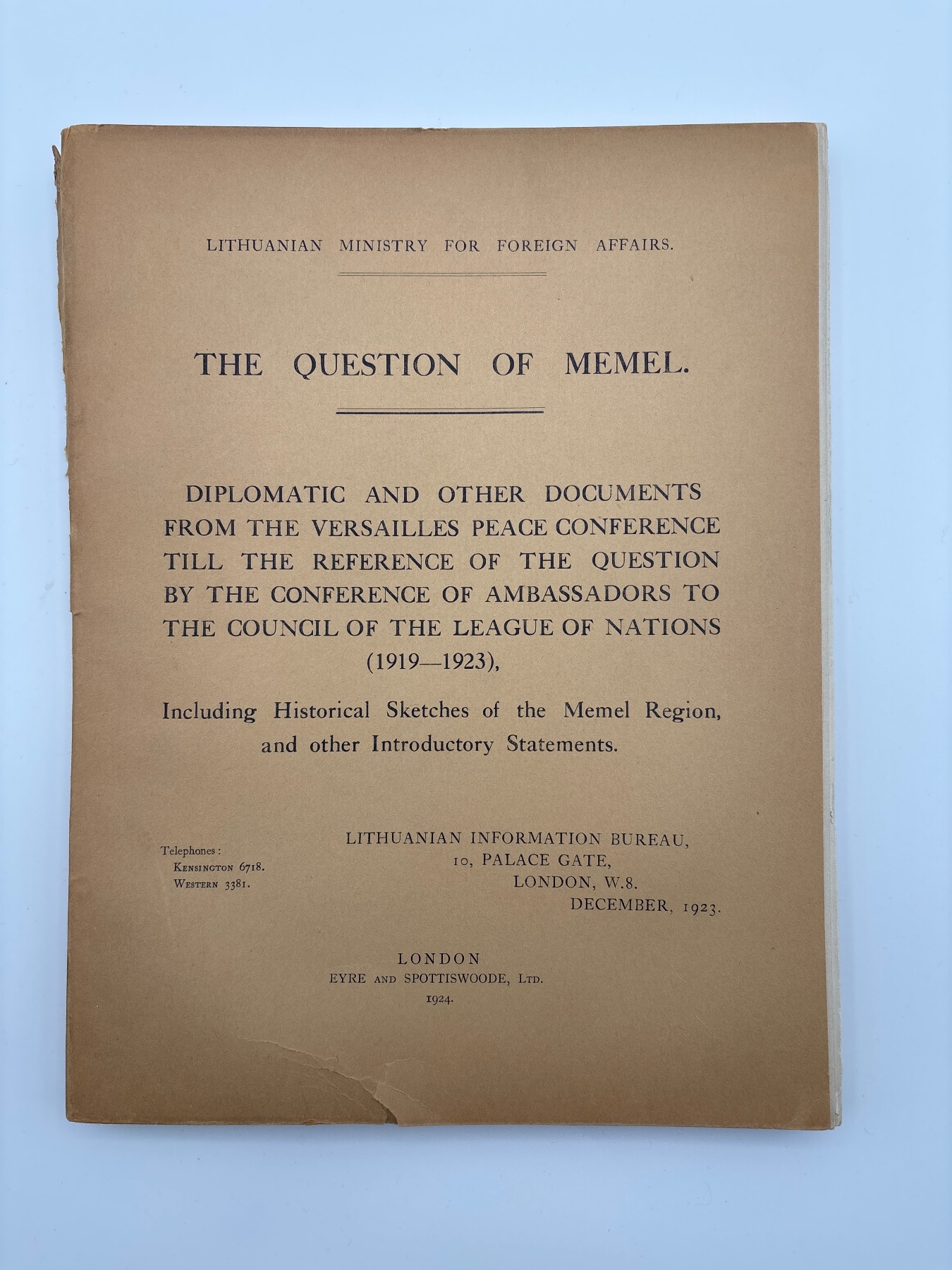
The Question of Memel: Diplomatic and Other Documents from the Versailles Peace Conference till the Reference of the Question by the Conference of Ambassadors to the Council of the League of Nations (1919-1923), Including Historical Sketches of the Memel Region, and other Introductory Statements
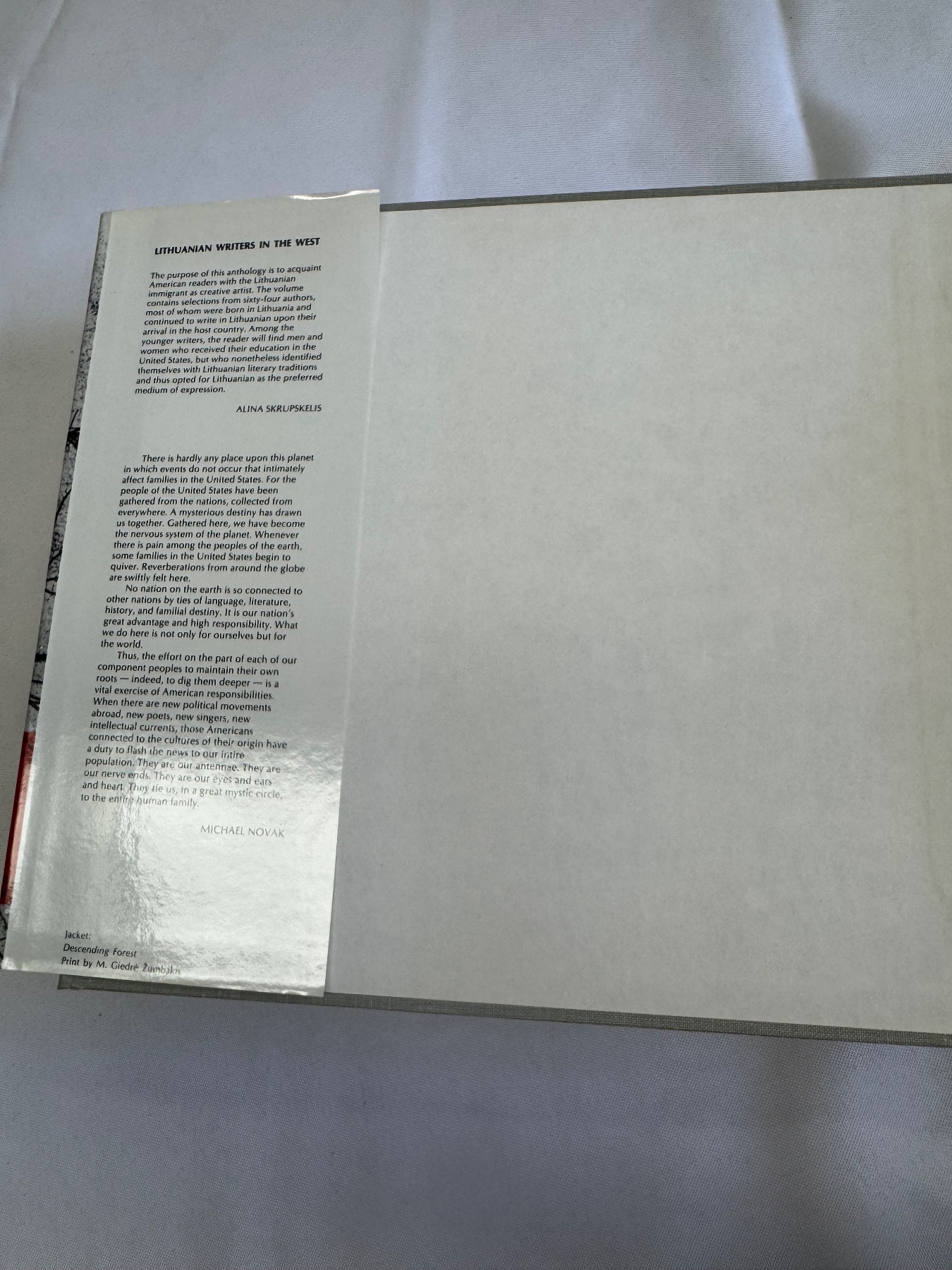
Lithuanian Writers in the West: An Anthology
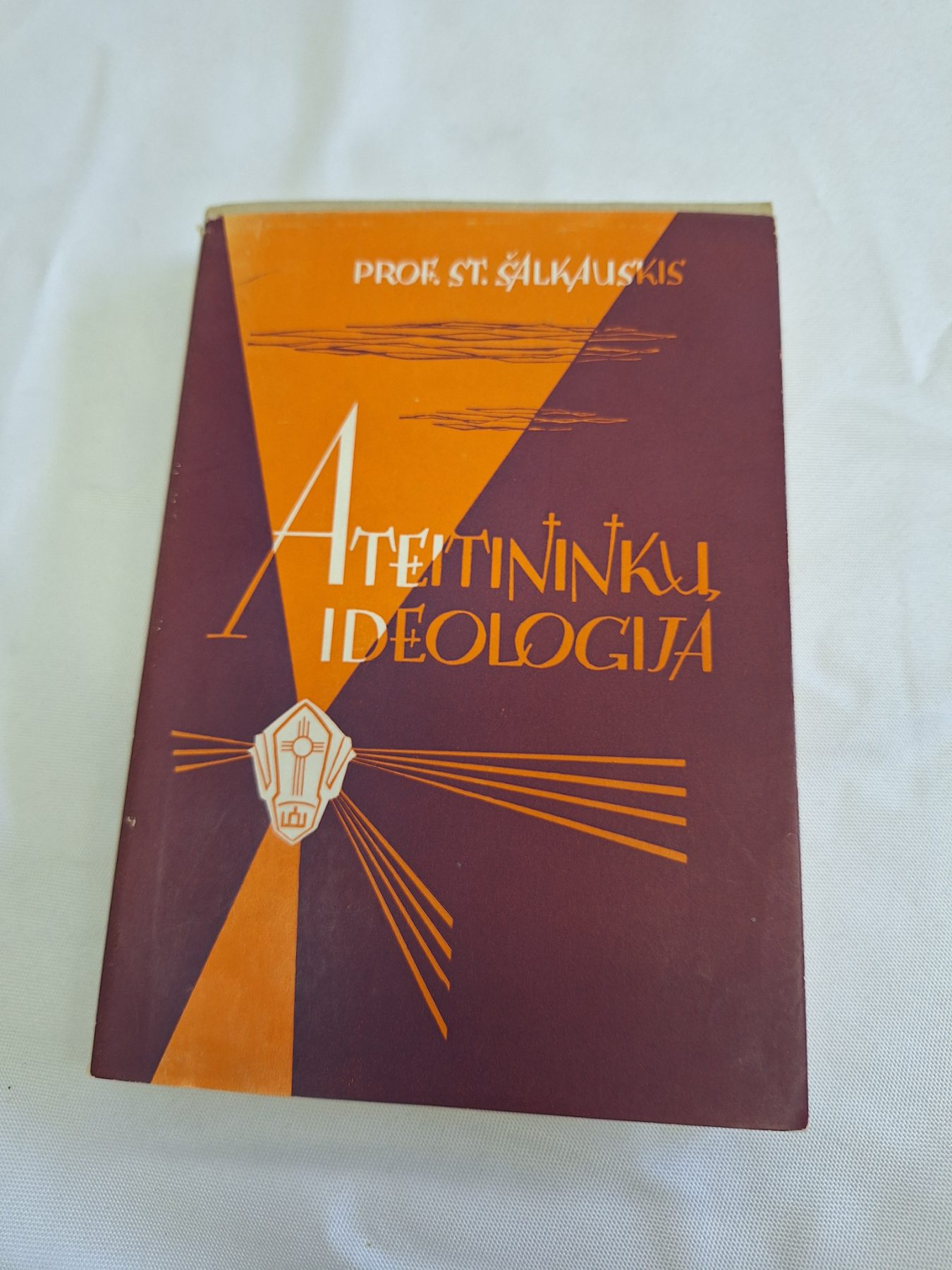
Ateitininkų Ideologija