
Lietuviškoji Skautija
1975
Historical and community context
Where this record belongs
Diaspora freedom
Introduction
Lietuviškoji Skautija is the definitive comprehensive history of the Lithuanian Scout movement, authored by Petras Jurgėla and published by the Lithuanian Scouts Association in Brooklyn in 1975. At over 824 pages, it is the single most ambitious institutional history produced by the Lithuanian diaspora Scout movement, synthesizing memoirs, photographs, and correspondence from hundreds of contributors across three continents. It stands as an irreplaceable record of Lithuanian youth identity formation, national idealism, and organizational survival through occupation, displacement, and exile.
Context and significance
Significance
Lietuviškoji Skautija represents one of the most sophisticated expressions of diaspora institutional self-documentation ever produced by the Lithuanian exile community. The Lithuanian Scouts Association (LSS), operating in the free world while Lithuania remained under Soviet occupation, used this publication to assert organizational continuity stretching from the interwar independence period through the DP camp era and into mature diaspora life in North America and beyond. The compilation methodology — 2,200+ letters to contributors on three continents, photographic archives, periodical collections — itself mirrors the dispersed geography of Lithuanian cultural survival and reveals the depth of the transnational network the scouts maintained.
The book's framing around the triad DIEVUI, TĖVYNEI, ARTIMUI (To God, To Homeland, To Neighbor) encodes a distinctly Lithuanian Catholic-national identity formation system that positioned scouting as the primary vehicle for transmitting Lithuanian personhood to youth born in exile. This ideological architecture — fusing Baden-Powell's scouting framework with Lithuanian national mythology — was a conscious strategy to create full Lithuanian personalities (pilnutinė lietuviška asmenybė) outside the homeland. The explicit mention of character development, health cultivation, creative encouragement, and service to others as the four pillars of this formation reveals how comprehensively the organization theorized its own role in cultural survival.
How this record carried memory
Identity preservation, Continuity statement explicit, Pedagogical framing
Record connections
People, places, and institutions linked in the catalog
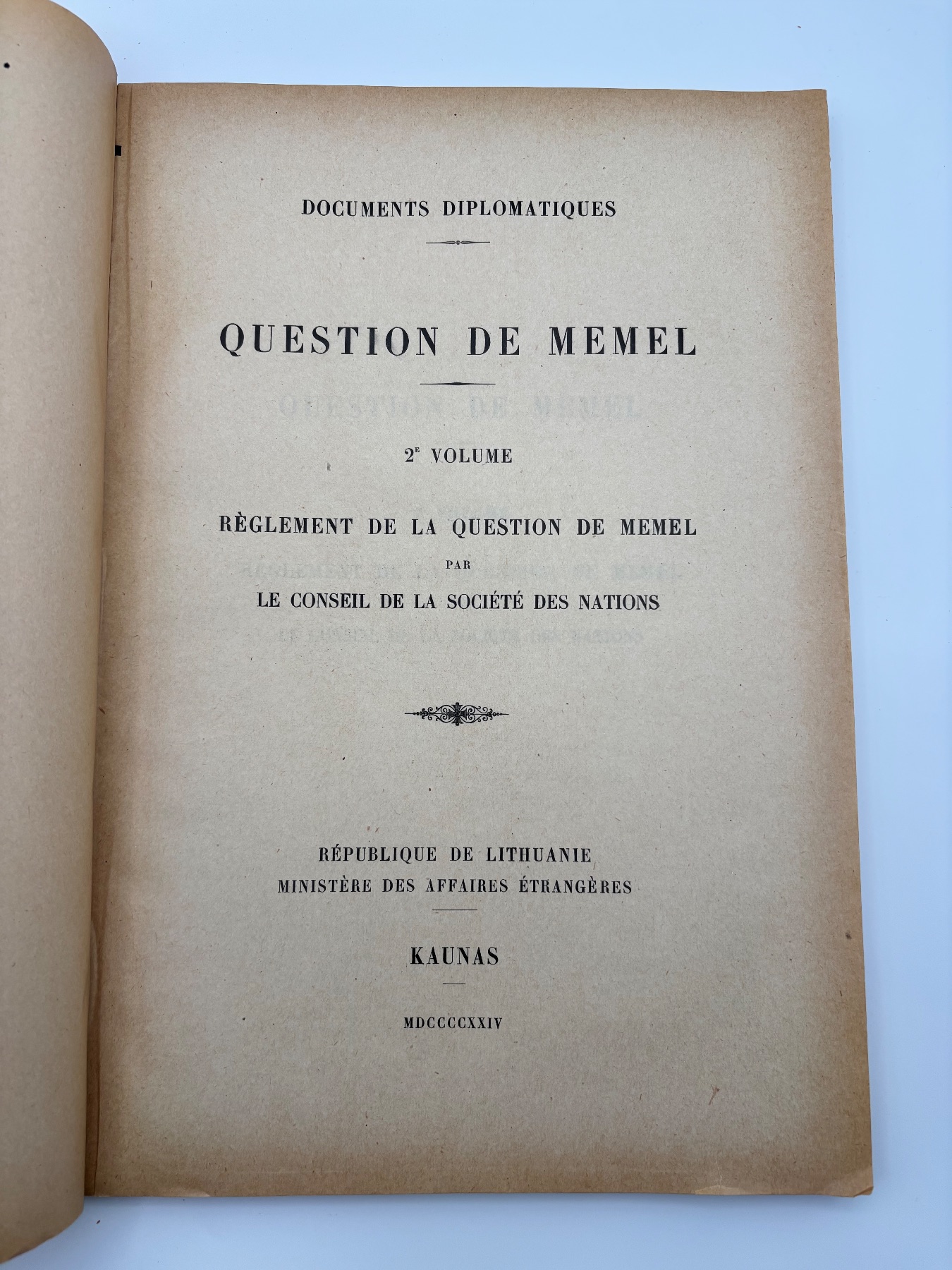
Question de Memel — 2e Volume: Règlement de la Question de Memel par le Conseil de la Société des Nations
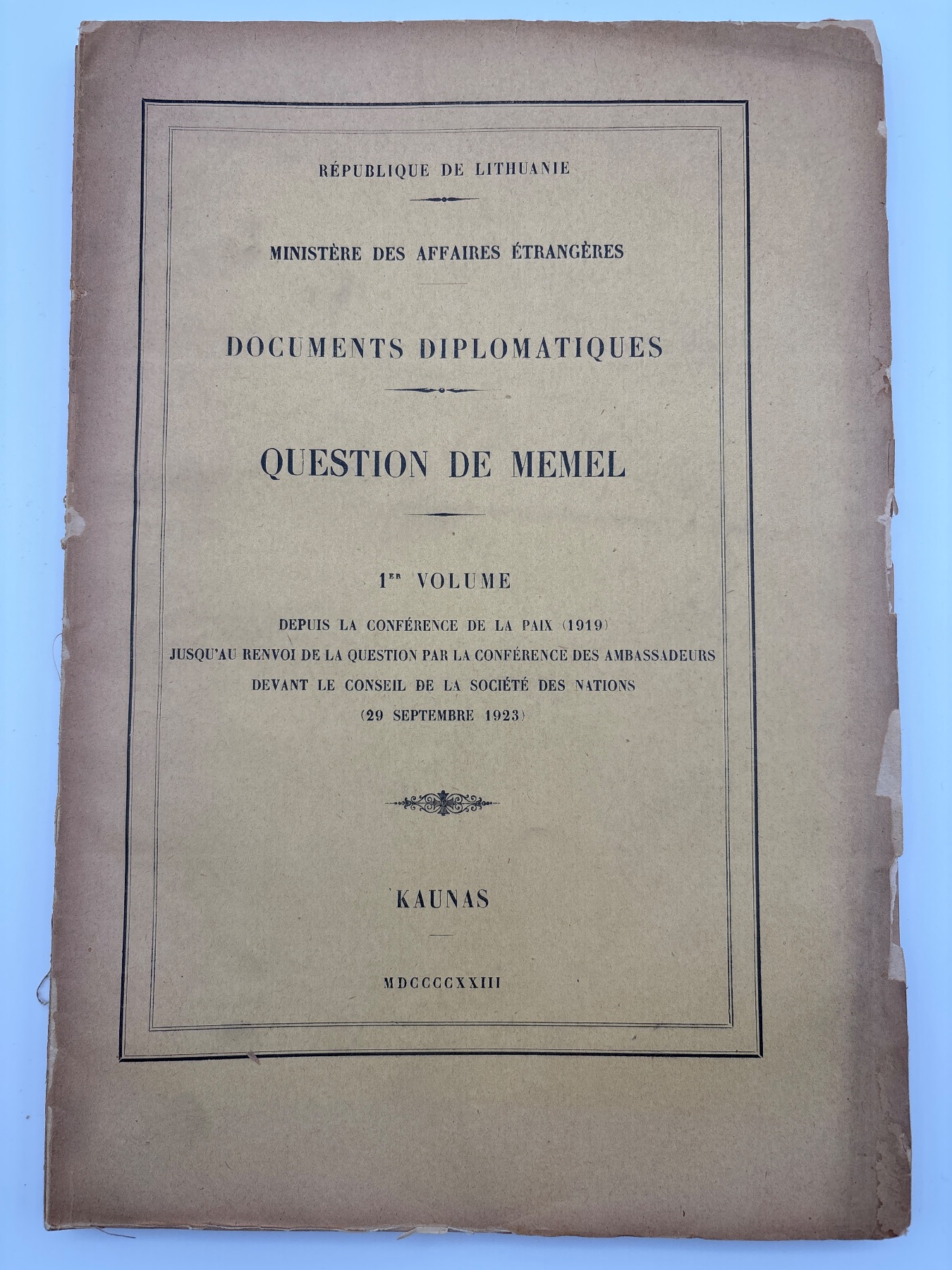
Documents Diplomatiques — Question de Memel, 1er Volume
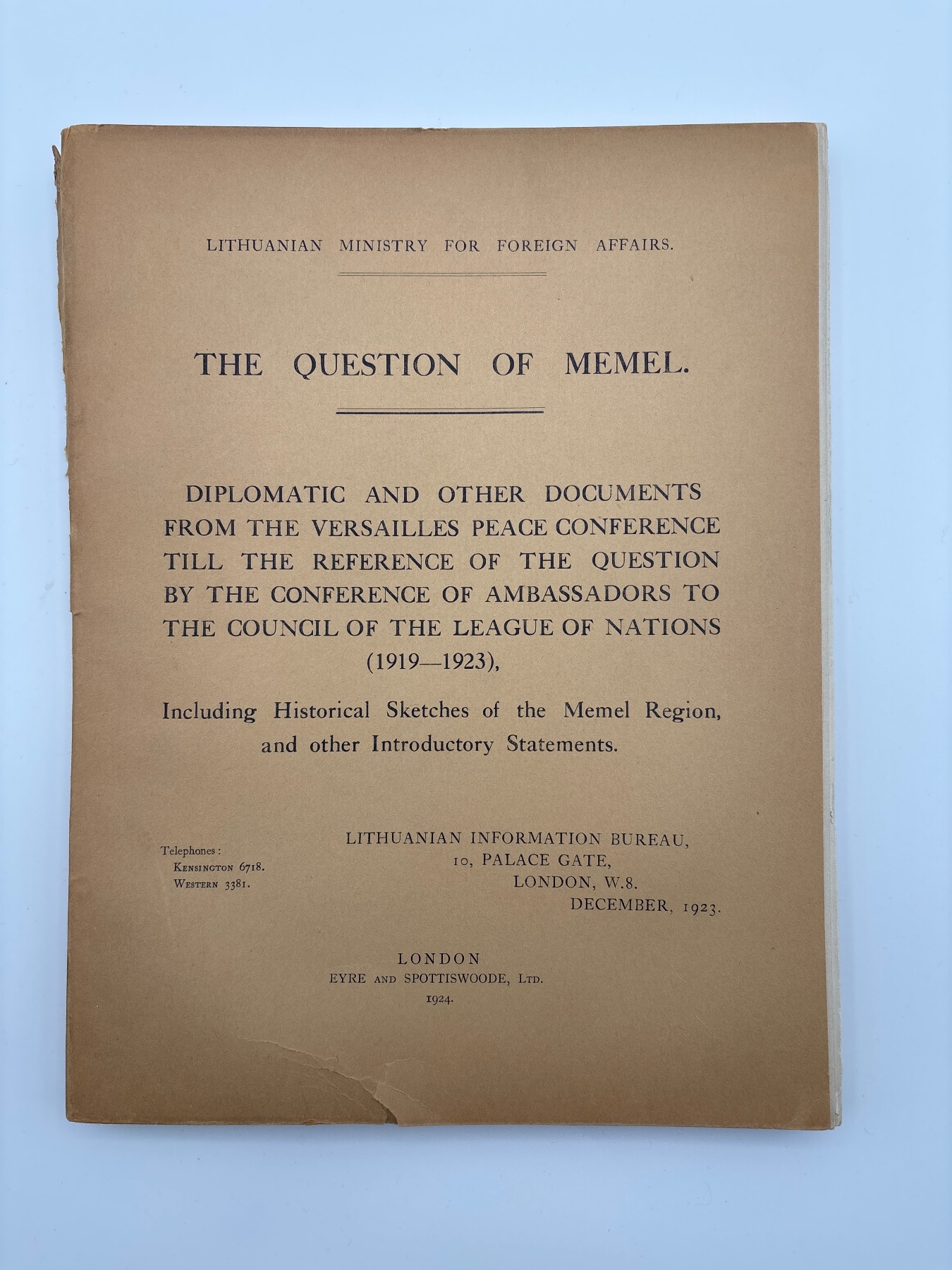
The Question of Memel: Diplomatic and Other Documents from the Versailles Peace Conference till the Reference of the Question by the Conference of Ambassadors to the Council of the League of Nations (1919-1923), Including Historical Sketches of the Memel Region, and other Introductory Statements