
Simas
1971
Historical and community context
Where this record belongs
Diaspora freedom
Introduction
Simas is Jurgis Gliauda's English-language documentary novel about Simas Kudirka, the Lithuanian Soviet sailor who made a dramatic defection attempt onto a US Coast Guard cutter in 1970, only to be forcibly returned to Soviet custody in an episode that sparked international outrage and a personal condemnation from President Nixon. Published just months after the events and Kudirka's sentencing trial, this book is a primary diaspora response document capturing the Lithuanian-American community's anguish, advocacy, and political mobilization at a Cold War flashpoint. It stands as a rare English-language bridge text produced by a major Lithuanian diaspora literary figure, intended to bring the Kudirka case to American and international audiences.
Context and significance
Significance
The publication of Simas in 1971 reveals the Lithuanian diaspora's sophisticated institutional capacity to respond rapidly to geopolitical events affecting their occupied homeland. Manyland Books functioned as more than a commercial press — it was a political and cultural infrastructure node, able to transform a breaking Cold War crisis into a book-length documentary narrative within months of the events, complete with trial transcripts, eyewitness accounts, and diplomatic context. This speed and professionalism reflects a diaspora community that had, by the early 1970s, developed mature publishing, advocacy, and communication networks capable of engaging American public opinion and political leadership directly.
The book's dual audience strategy — Lithuanian community readers and mainstream American audiences — exemplifies a core cultural survival mechanism of the mature diaspora period. Gliauda writes in English, not Lithuanian, deliberately crossing the linguistic threshold to make the Kudirka case legible to American decision-makers, journalists, and sympathizers. The Nixon cover quote is not incidental; it is a calculated signal that this community's cause had reached the highest levels of American power. This represents a diaspora literary culture that had evolved from internal solidarity publishing toward active external advocacy, using literature as political instrument.
The content itself — Kudirka's courtroom declaration of Lithuanian independence, his Catholic faith as defiance, his indictment of Soviet occupation — encapsulates the diaspora's core ideological commitments: non-recognition of Soviet rule, the inviolability of Lithuanian national identity, and the moral authority of Catholic witness under persecution. For diaspora youth, this text would have functioned as a catechism of political identity, teaching what it meant to be Lithuanian in opposition to Soviet power, and demonstrating that resistance inside occupied Lithuania had not ceased.
How this record carried memory
Identity preservation, Continuity statement explicit
Record connections
People, places, and institutions linked in the catalog
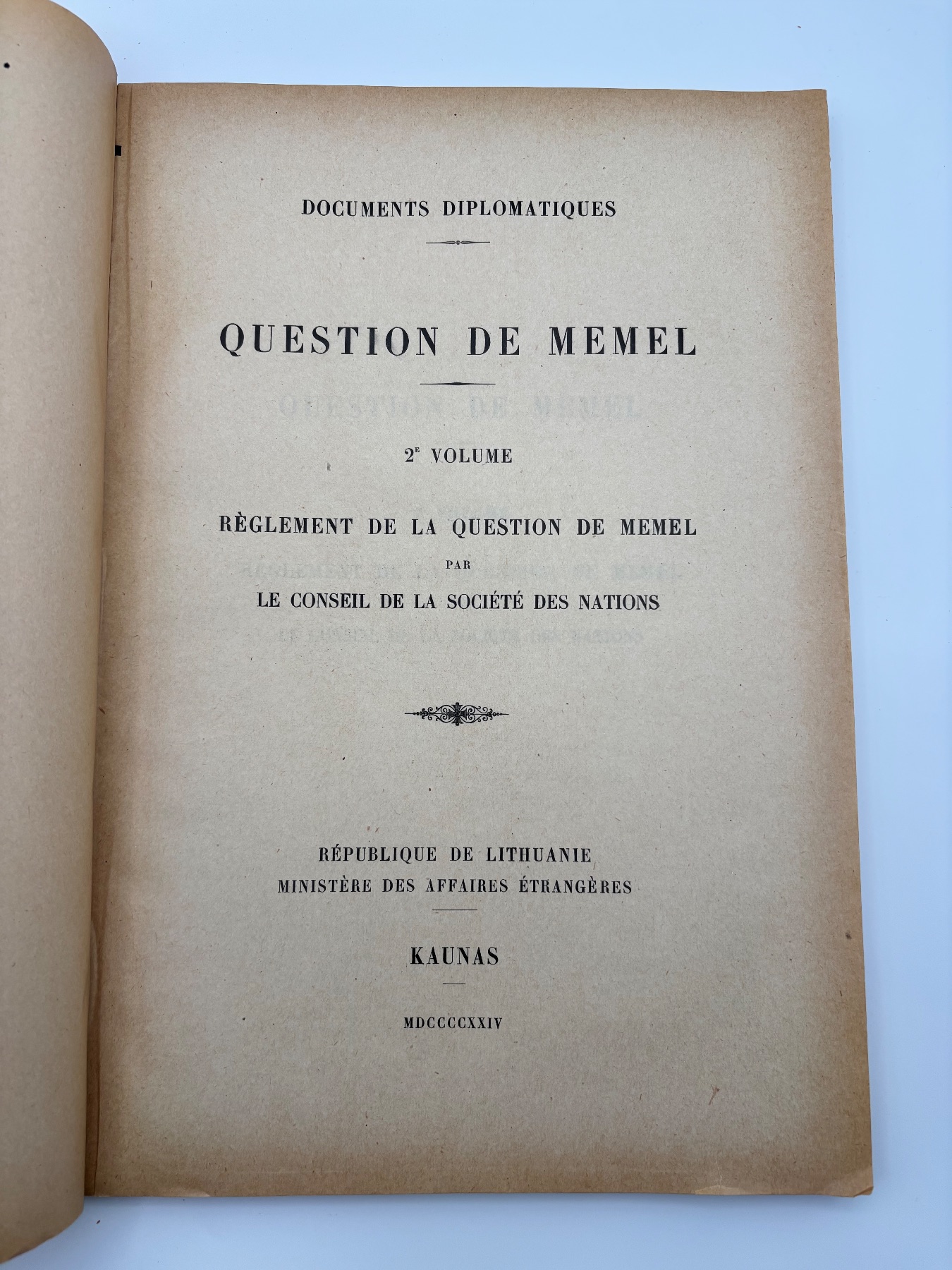
Question de Memel — 2e Volume: Règlement de la Question de Memel par le Conseil de la Société des Nations
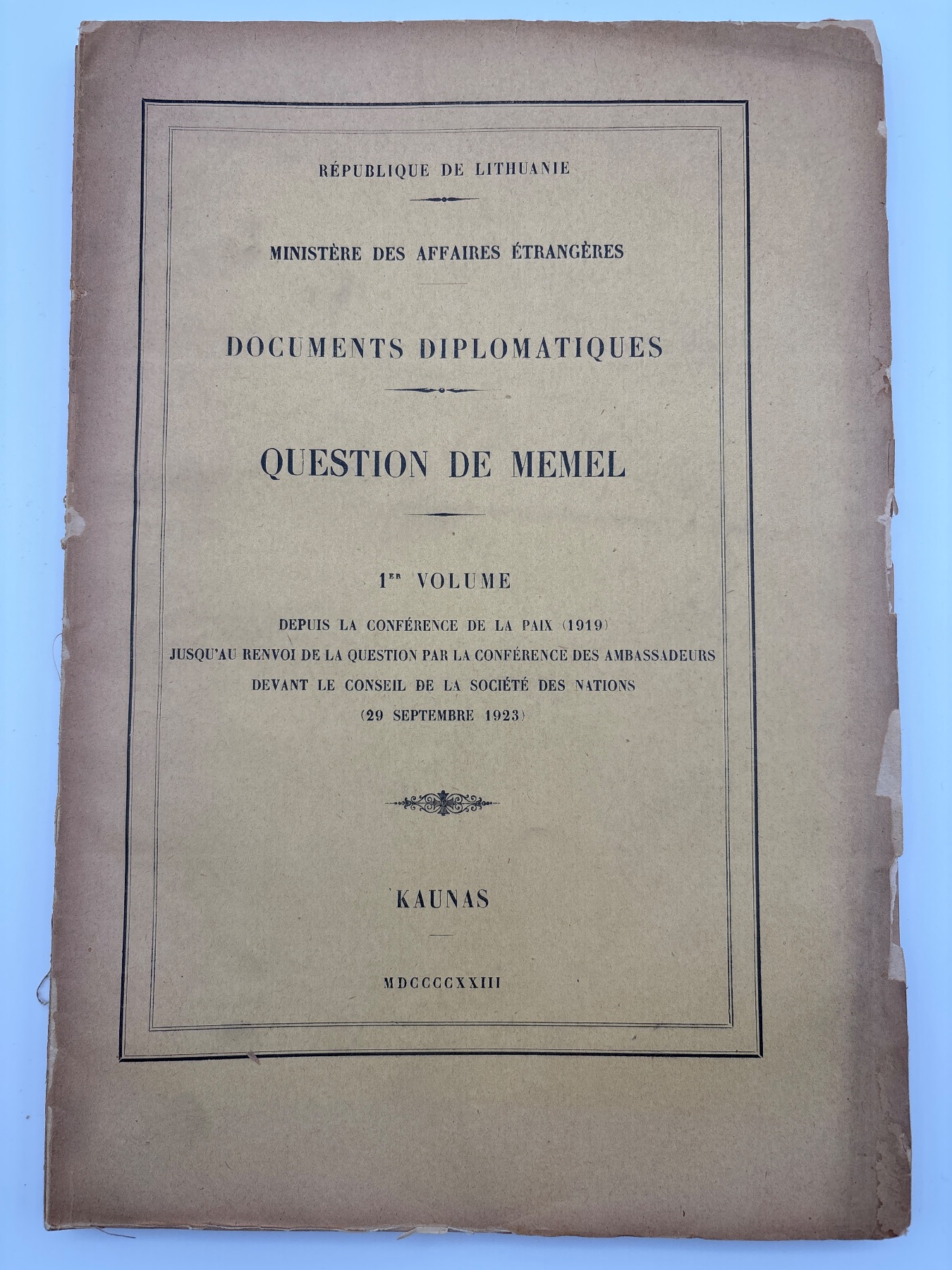
Documents Diplomatiques — Question de Memel, 1er Volume
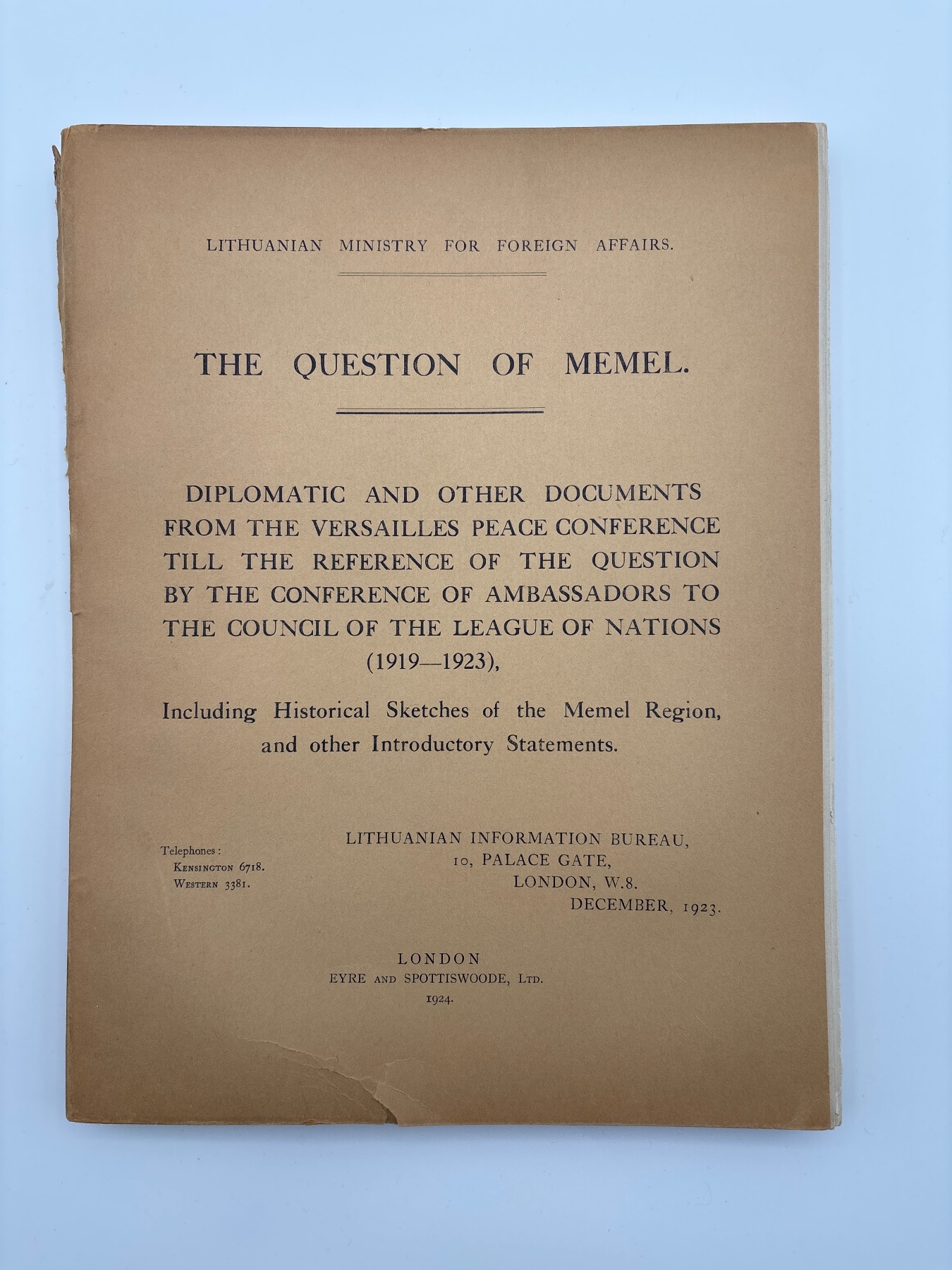
The Question of Memel: Diplomatic and Other Documents from the Versailles Peace Conference till the Reference of the Question by the Conference of Ambassadors to the Council of the League of Nations (1919-1923), Including Historical Sketches of the Memel Region, and other Introductory Statements